Peloton Scheduling a class Flow on iOS â Screen by Screen
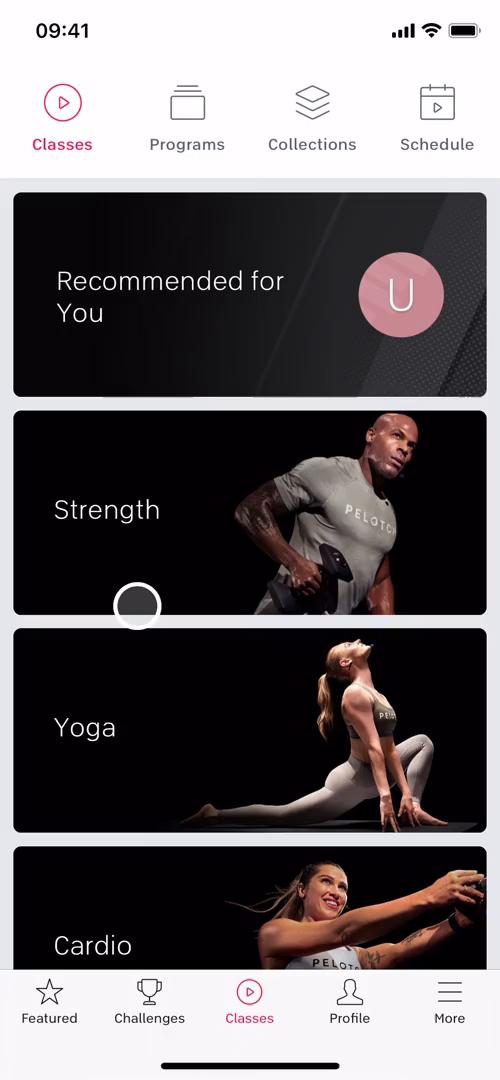
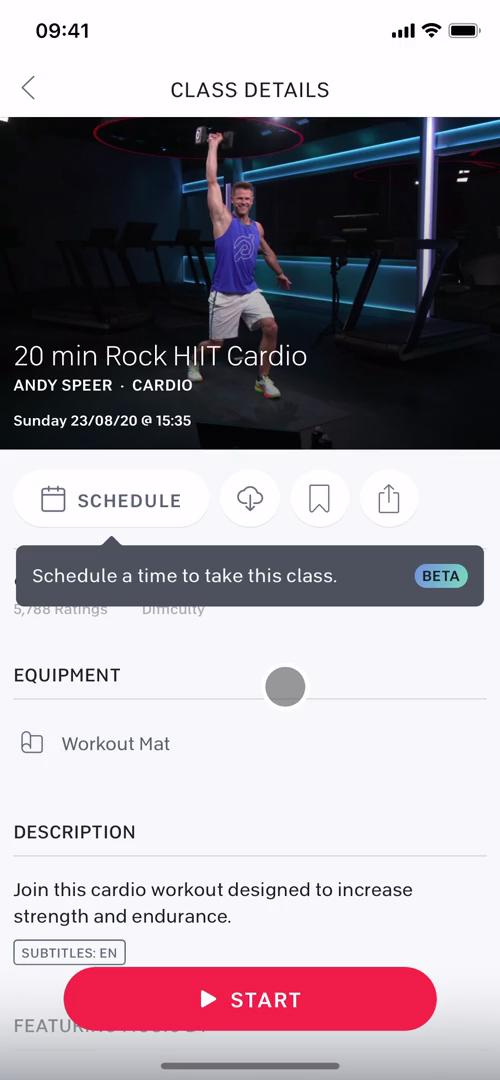
This recording documents the Scheduling a class flow inside Peloton on iOS, captured screen by screen from the live app. Rather than showing a static screenshot or a summarized case study, it preserves the full sequence â every transition, microcopy change, and UX decision â so you can study what Peloton actually ships, not what they describe.
How Peloton Structures the Scheduling a class Experience
The Scheduling a class flow is a specific moment inside the Peloton experience, and studying it in isolation (while still showing it in the context of a real product) makes it easier to extract patterns you can apply elsewhere. Notice how Peloton structures the flow: what it shows first, how it builds momentum, where it places friction, and how it handles completion.
A Real Reference for Scheduling a class Research
For designers researching Scheduling a class patterns, this recording gives you a direct, real-world reference. For Peloton enthusiasts or competitors, it's a detailed look at how the brand approaches this specific user journey on iOS.
Frequently Asked Questions
How was this Scheduling a class flow in Peloton recorded?
The flow was captured directly from the live iOS version of Peloton, preserving the full sequence of screens and interactions exactly as a real user would experience them.
How long is the Scheduling a class flow in Peloton?
Length depends on how Peloton has designed the flow â some Scheduling a class sequences are intentionally brief, others include multiple steps. Watch the full recording to see the complete timing.
How often is the Peloton Scheduling a class flow updated?
Recordings are refreshed when Peloton ships significant redesigns, so the documentation reflects the current iOS experience rather than an outdated version.
Can I see Scheduling a class flows from other iOS apps to compare?
Yes. The iOS Scheduling a class flows category collects the same flow type from many different iOS apps, so you can benchmark Peloton against competitors and alternative approaches.