





























Magnific Web App — Full User Experience
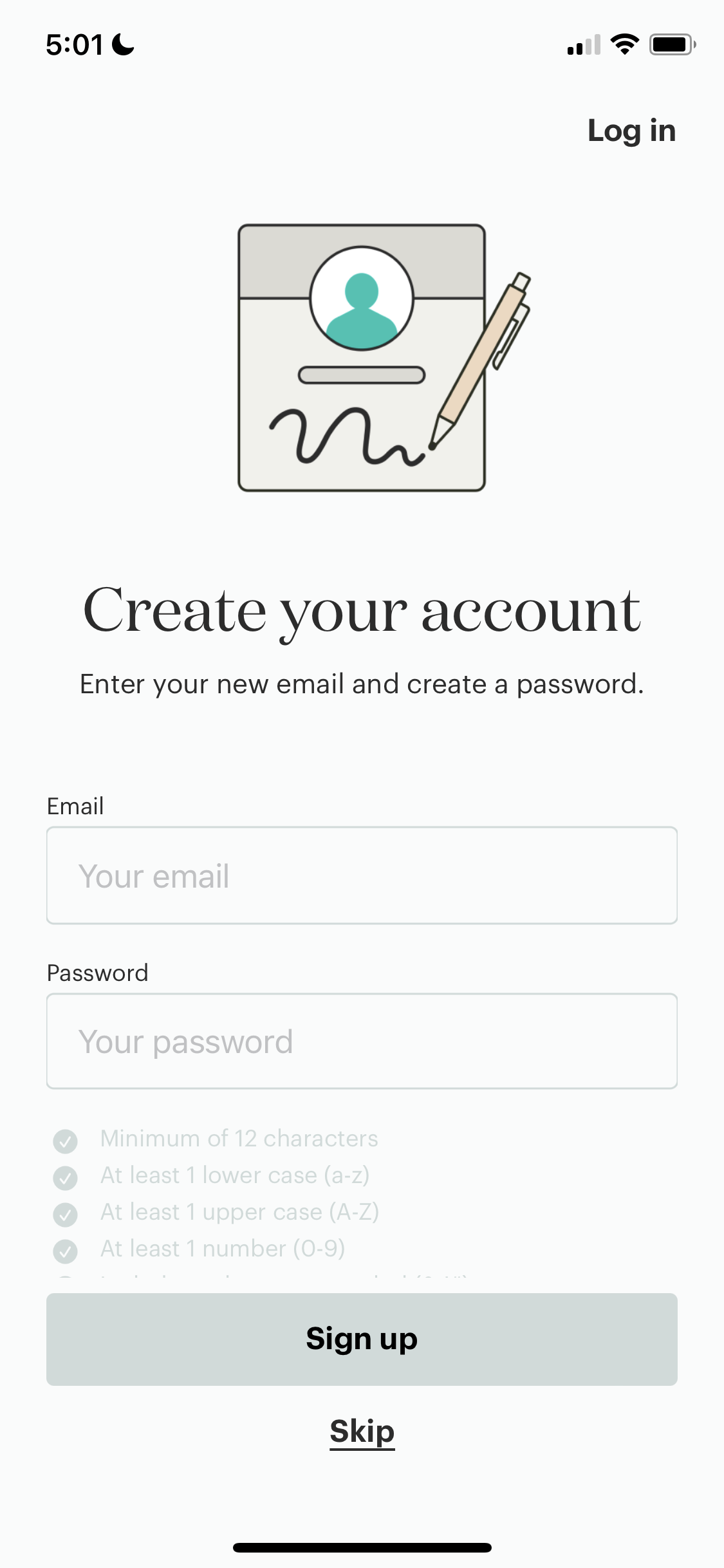
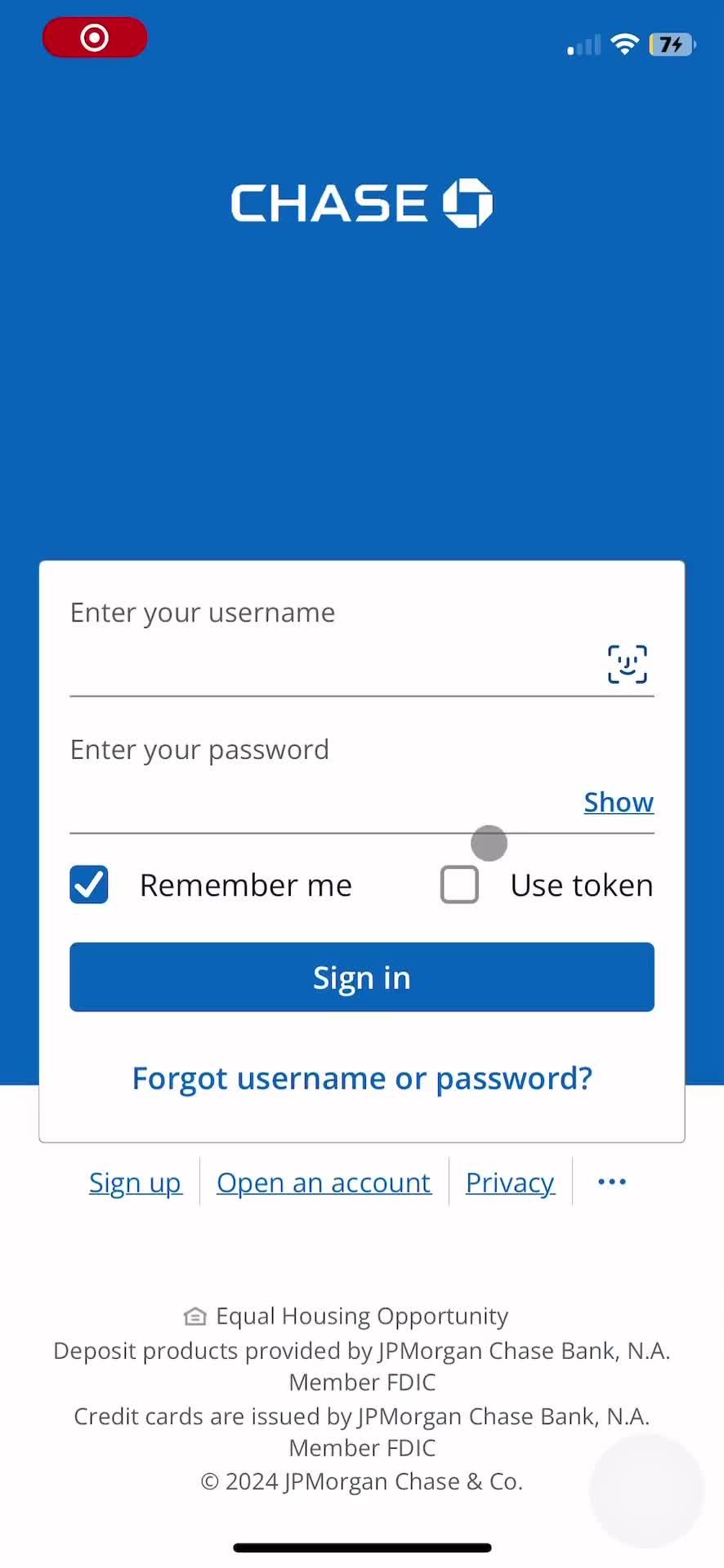
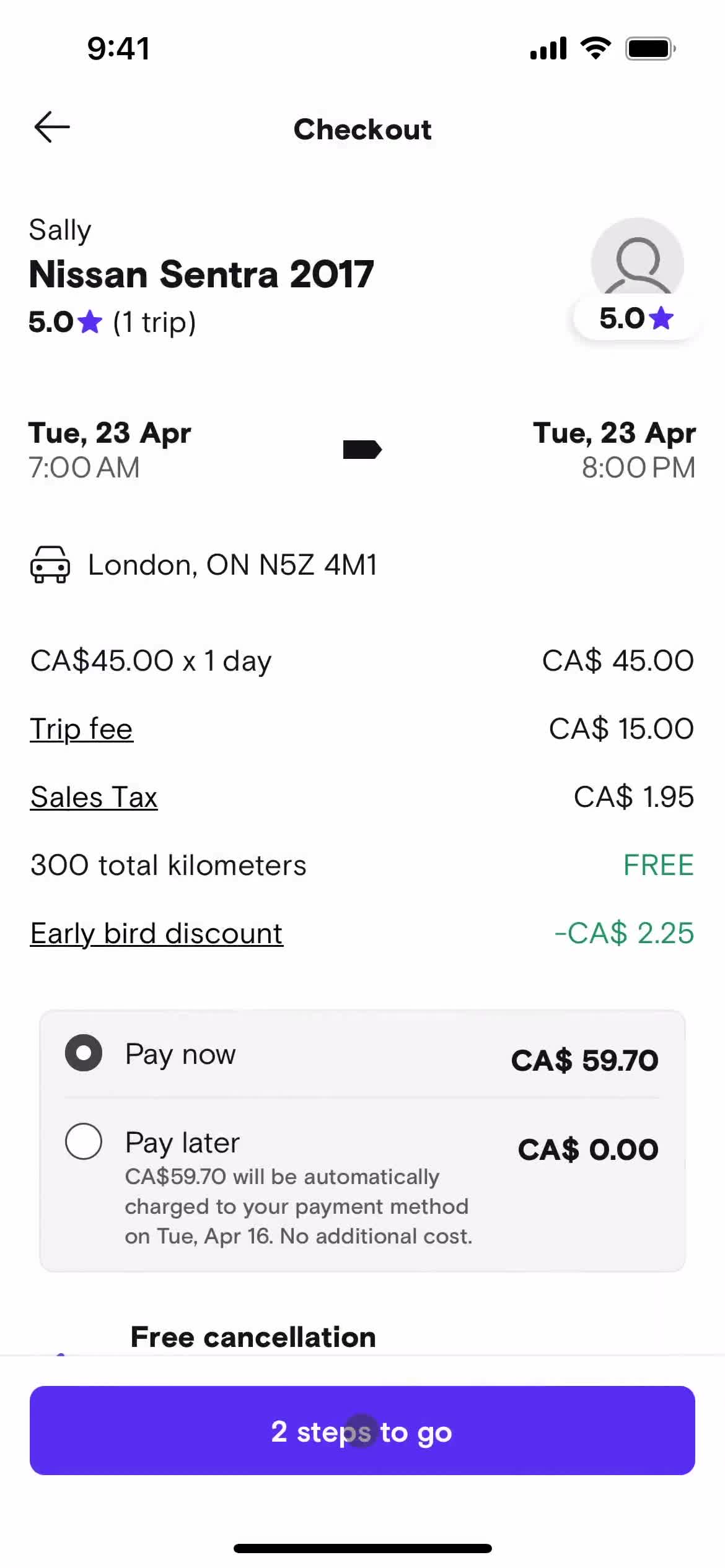
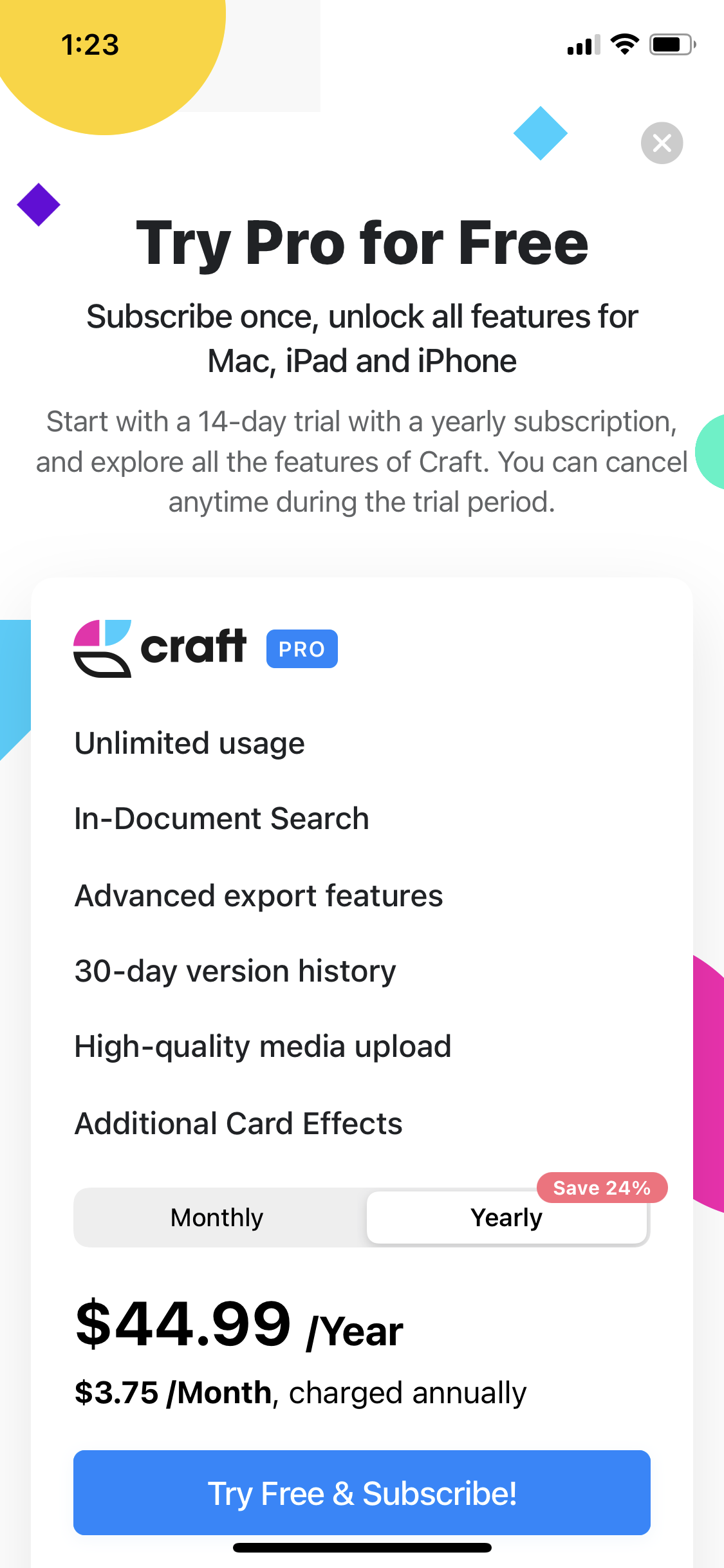
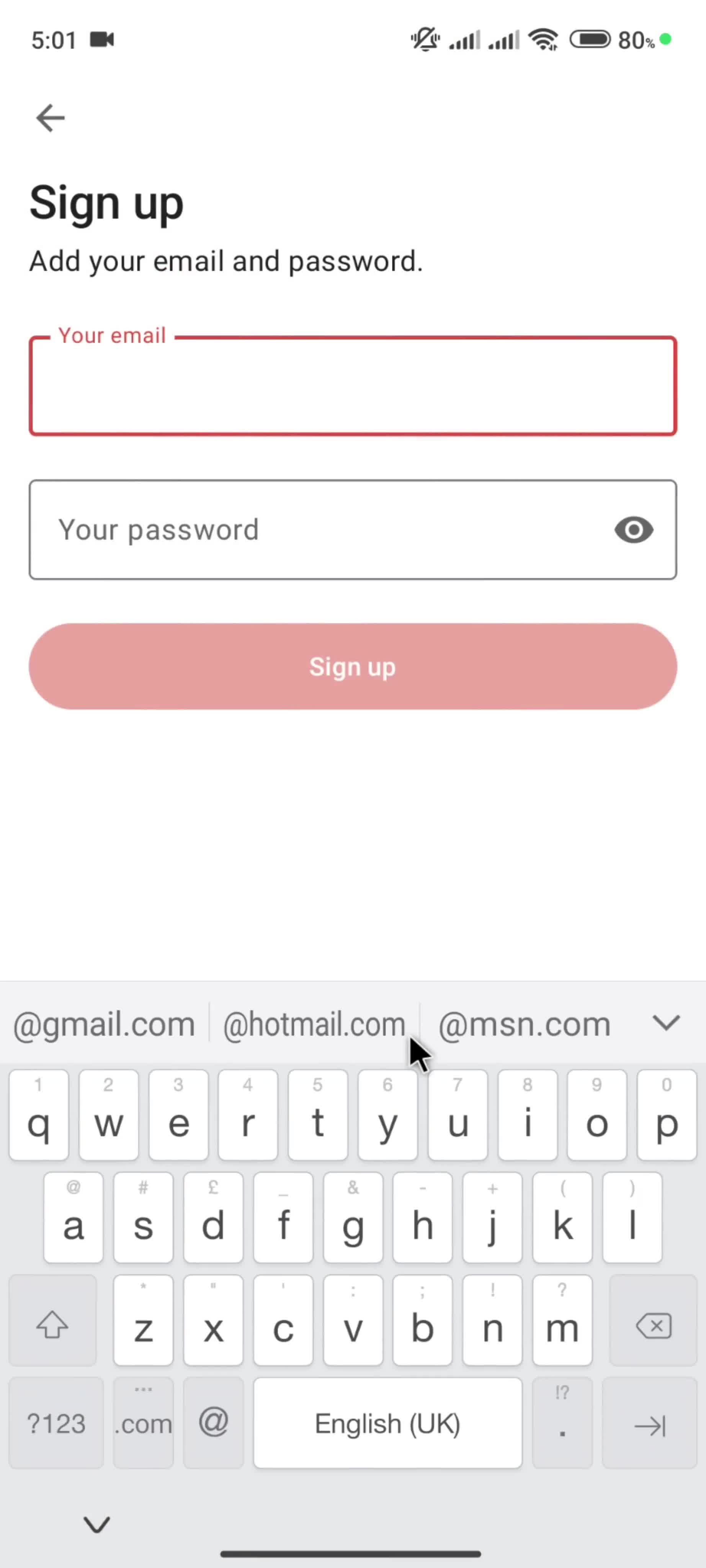
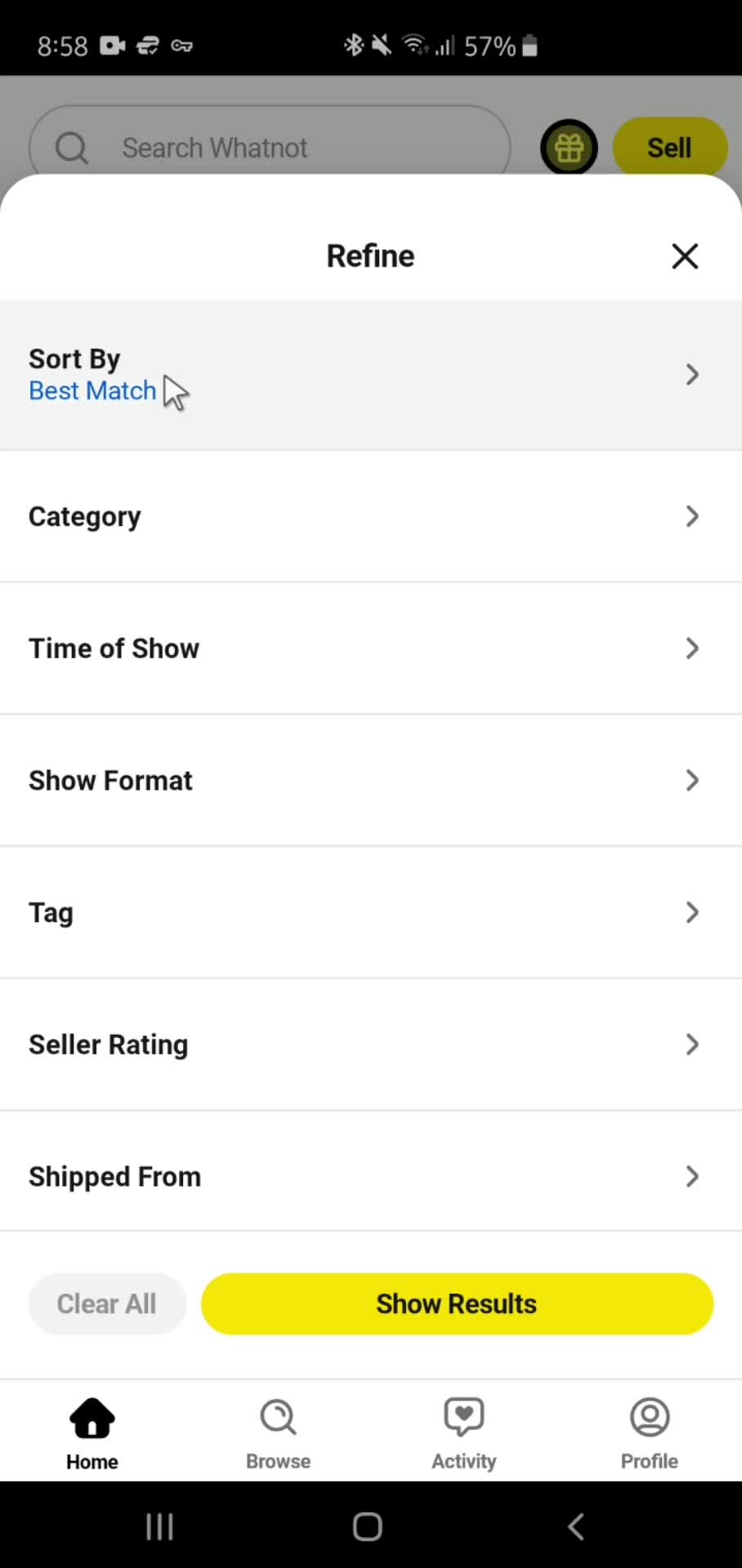
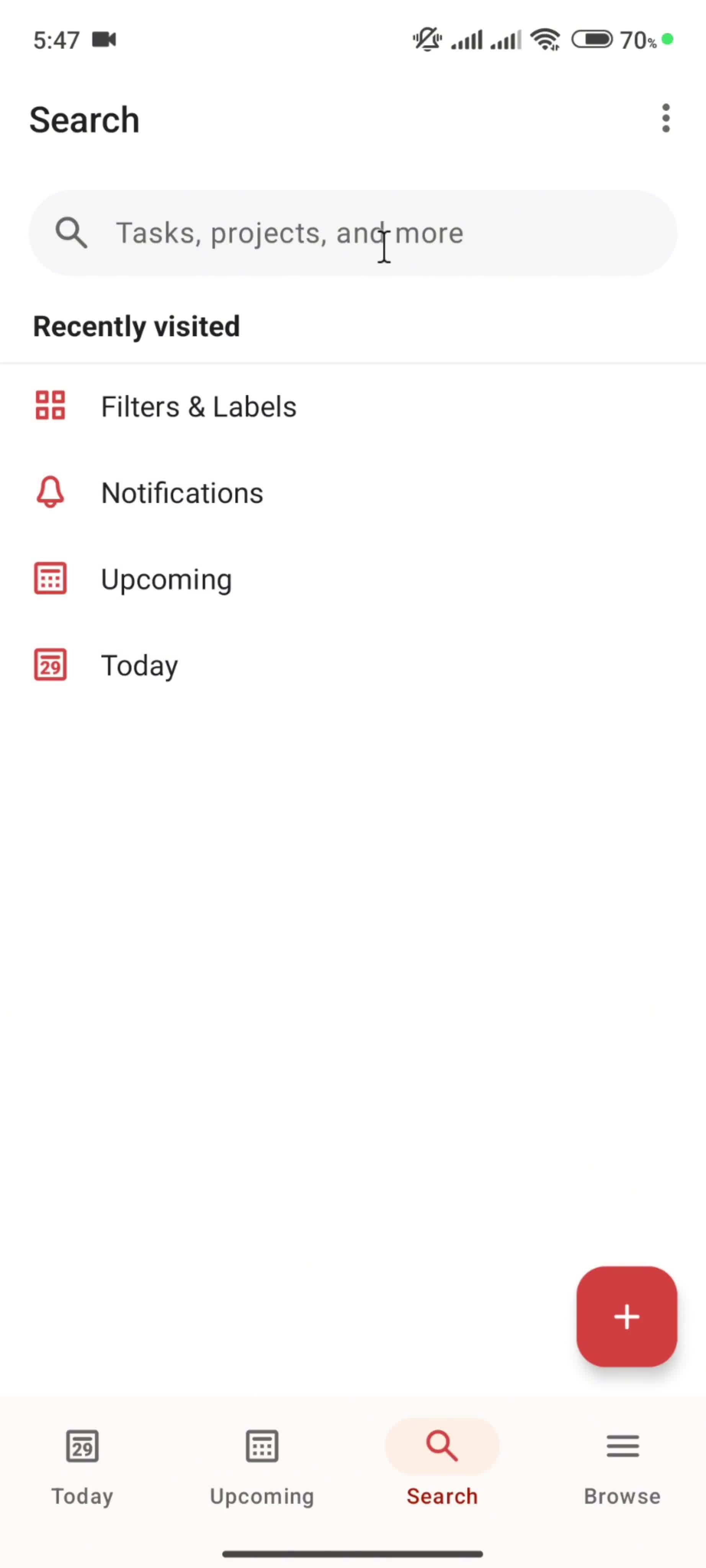
The Magnific web app is documented across its full user experience in the Page Flows library. On this page you'll find recordings of how Magnific presents itself on the marketing site, onboards new users, and structures its core product interface — all captured from the live web experience.
Complete Magnific Flows, from Landing to Dashboard
Web products are complex: a landing page has different design goals than a dashboard, and a signup flow has different success metrics than a settings screen. Rather than showing Magnific as a collection of isolated screenshots, this library preserves flows end to end, so you can study the full arc of design decisions across different surfaces.
Who Uses the Magnific Web Reference
Designers benchmarking against Magnific, PMs evaluating its UX, and researchers building competitive analyses all use this reference. Every recording is current and organized by flow type, so you can get to the moment you need without scrolling through unrelated screens.
Frequently Asked Questions
What surfaces of the Magnific web app are documented?
The Magnific web page typically documents the marketing site, signup flow, onboarding, and in-product experience — the full journey from first visit to active use.
How detailed are the Magnific web recordings?
Each recording captures the full flow end to end — every screen, interaction, and transition — so you can study the complete design decision, not just hero shots.
Can I compare Magnific web UX to its mobile app versions?
If Magnific also has iOS or Android entries in our library, you can cross-reference them to compare design decisions across platforms.
Are the Magnific web flows kept up to date?
Yes. Flows are refreshed when Magnific ships significant redesigns, so the library reflects the current web experience rather than a snapshot from months ago.