























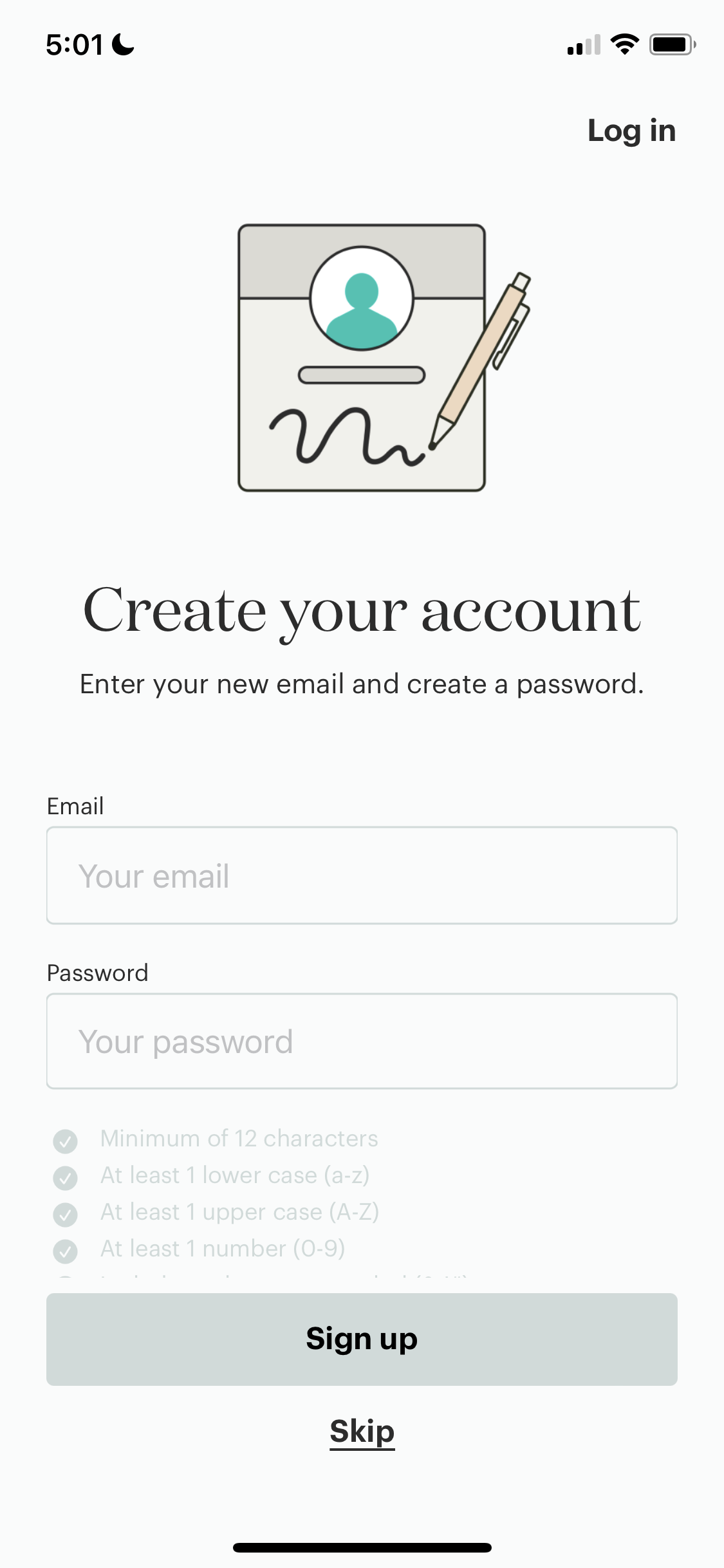
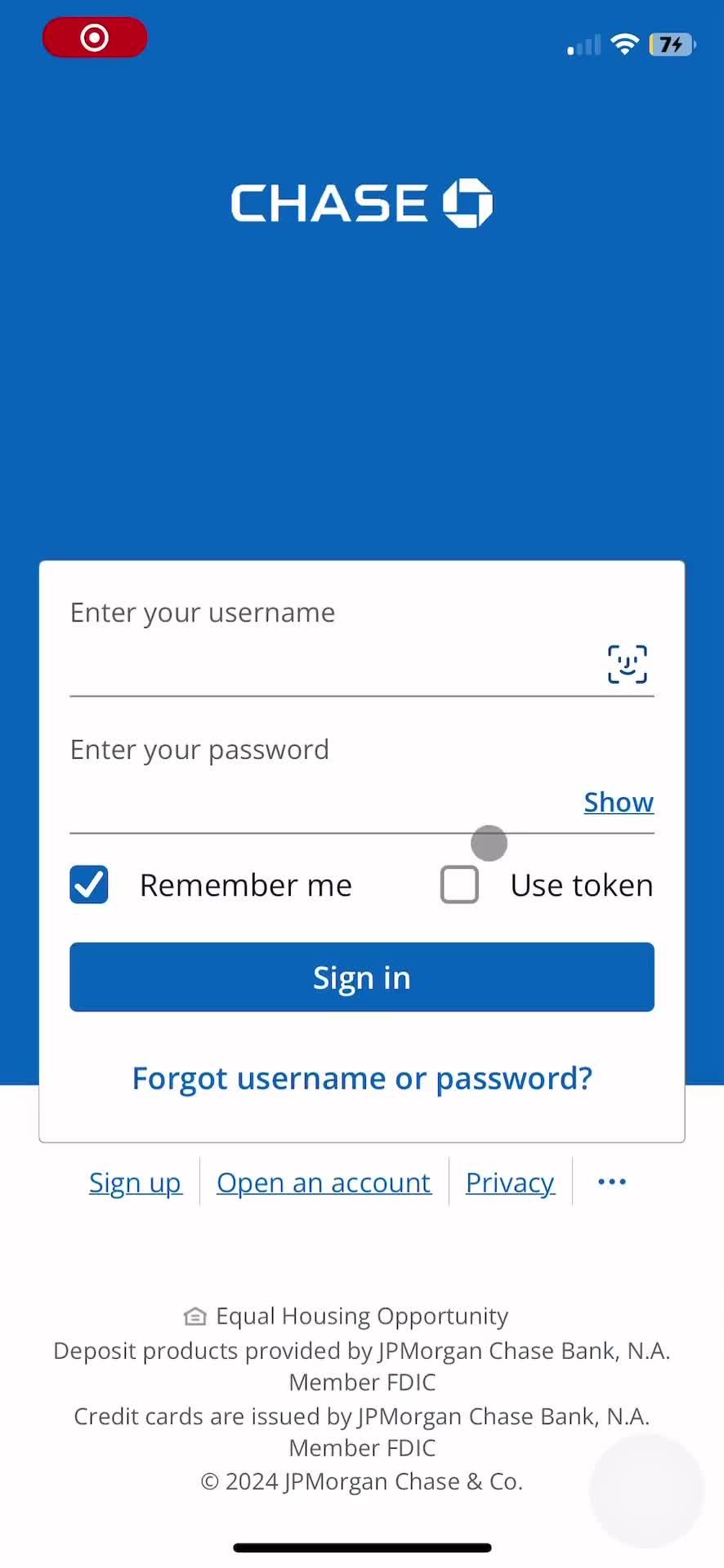
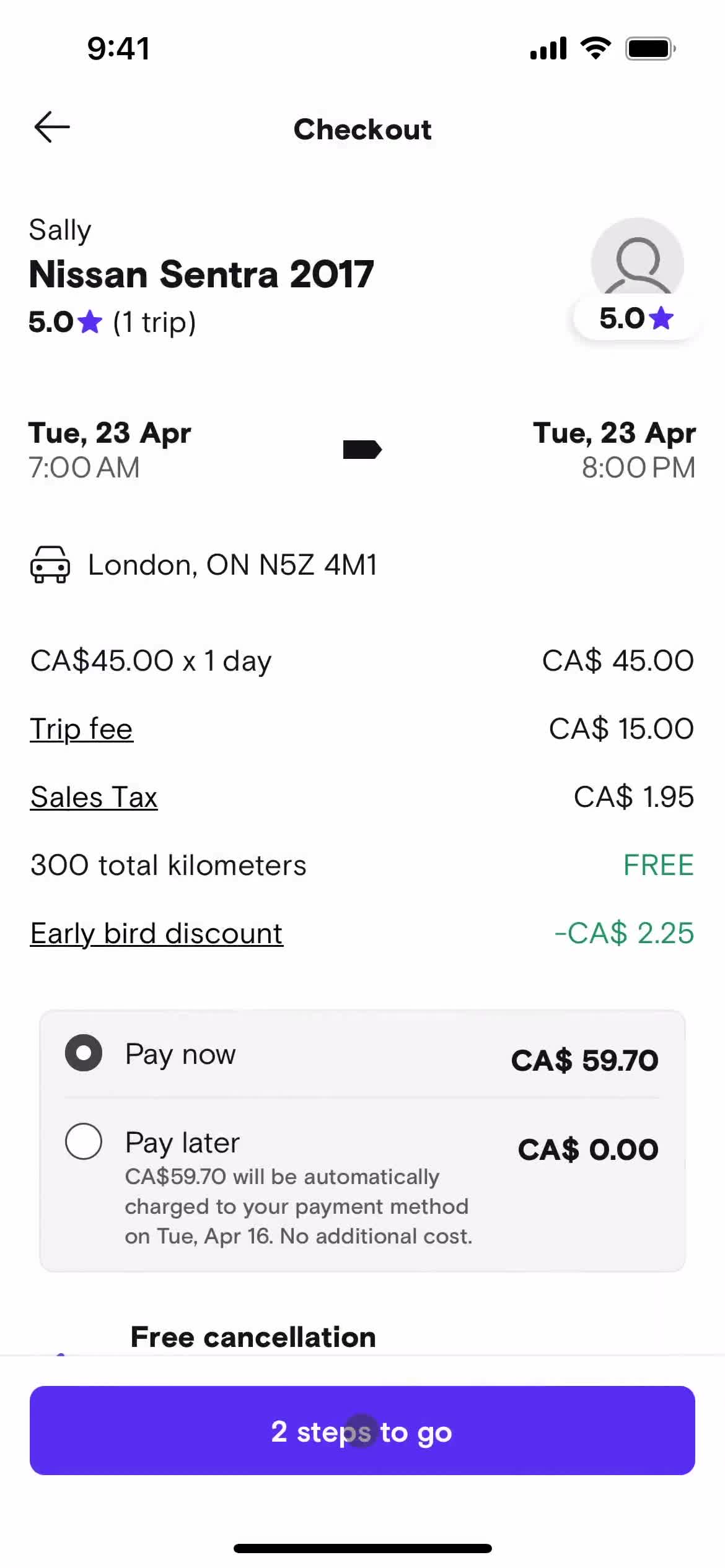

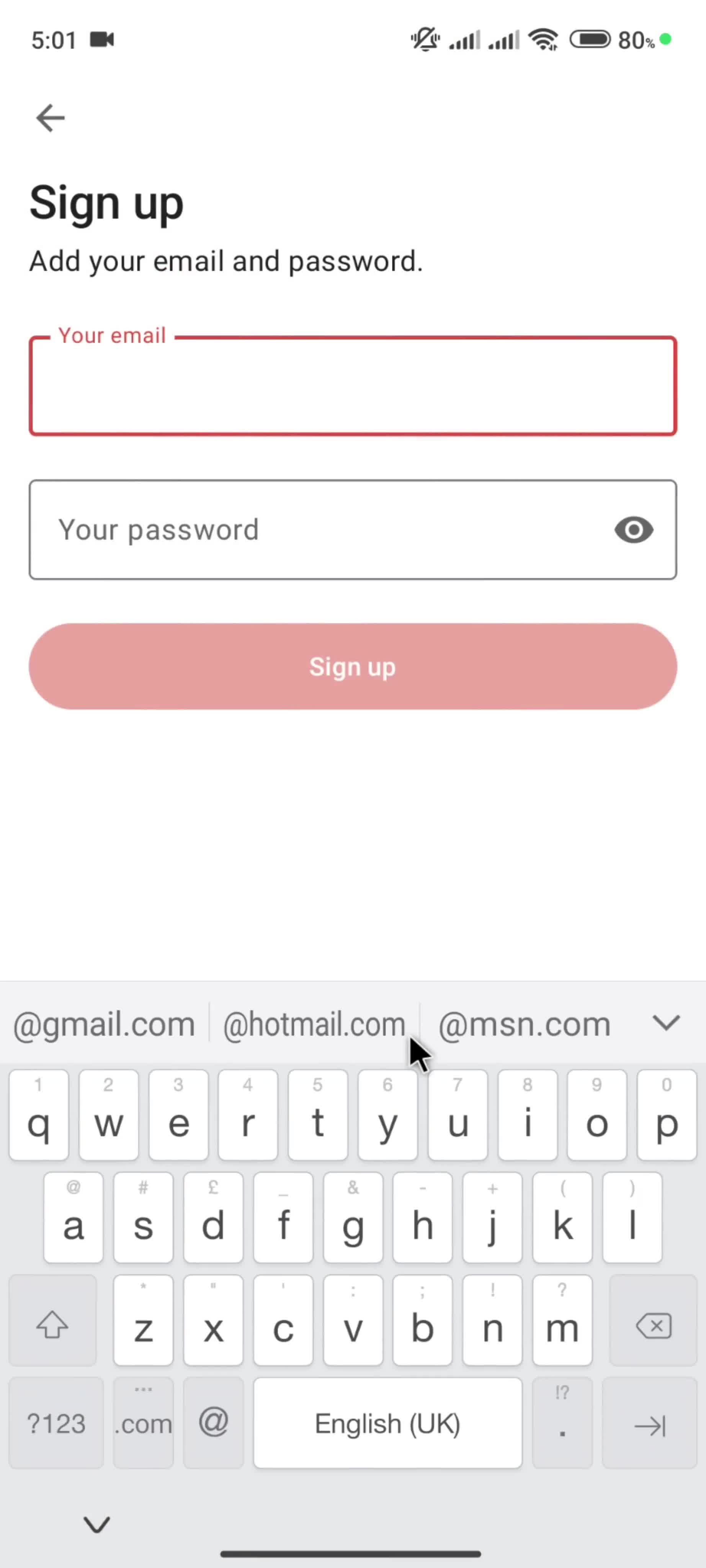







 Download all screens

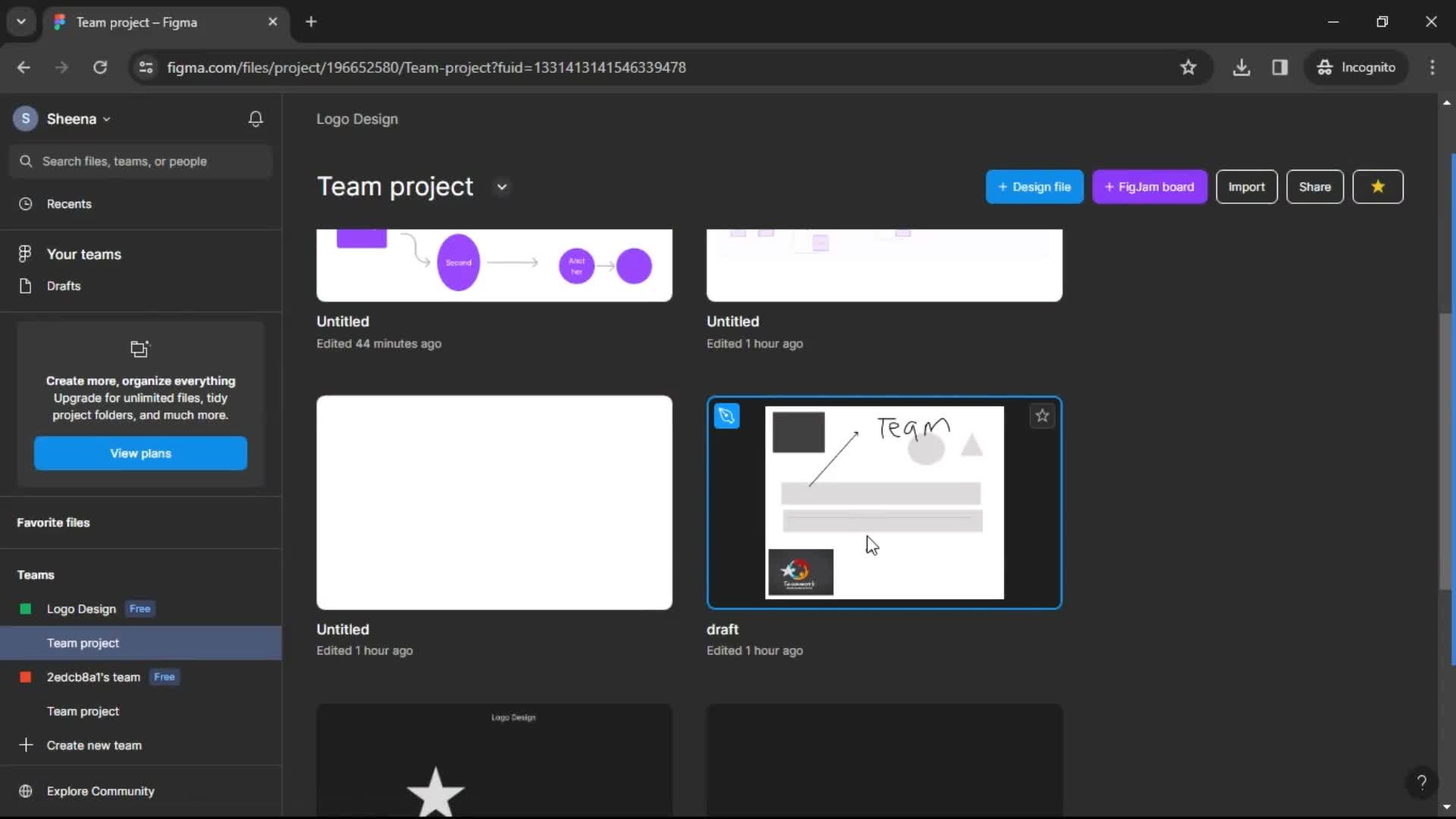

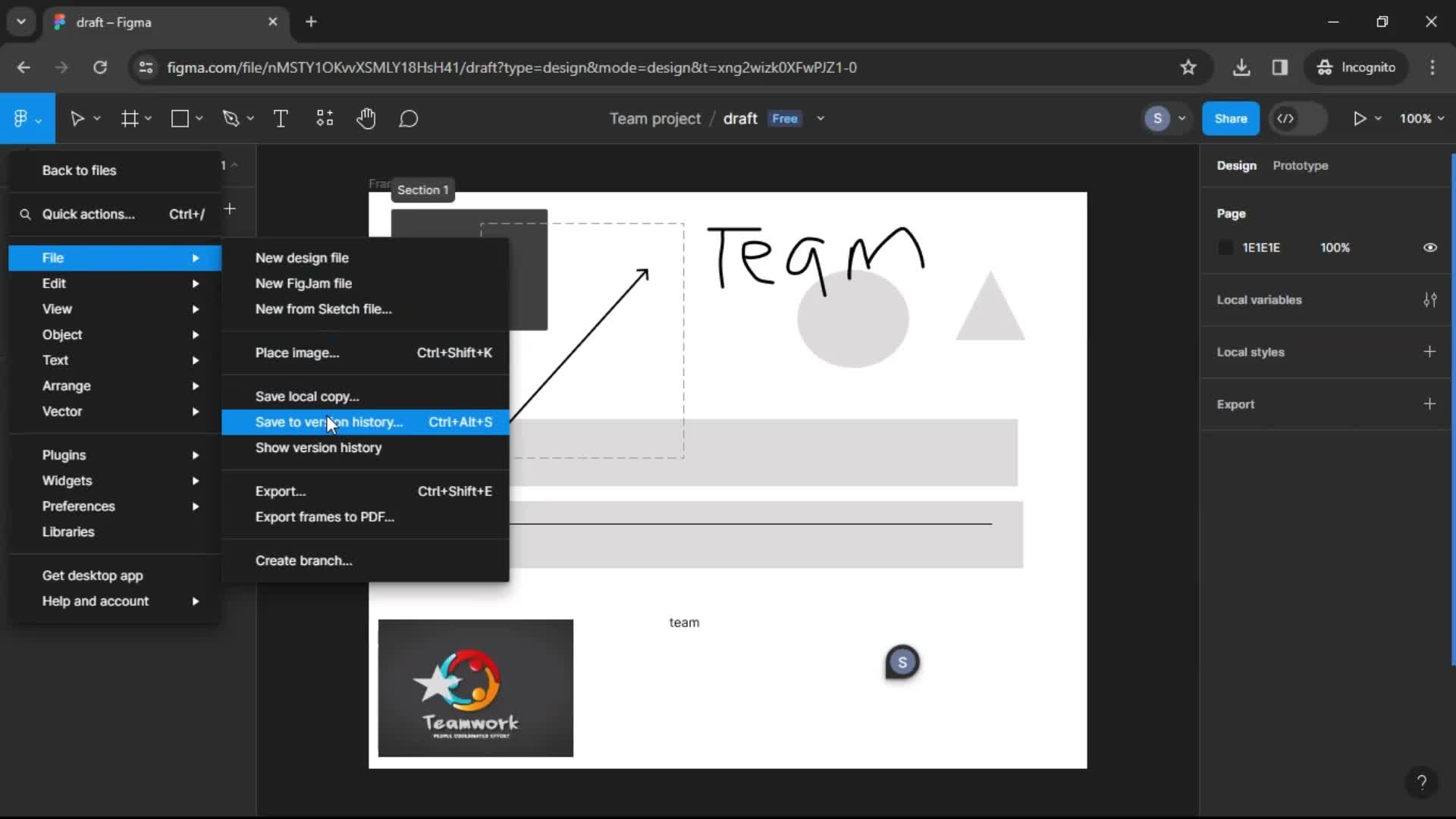
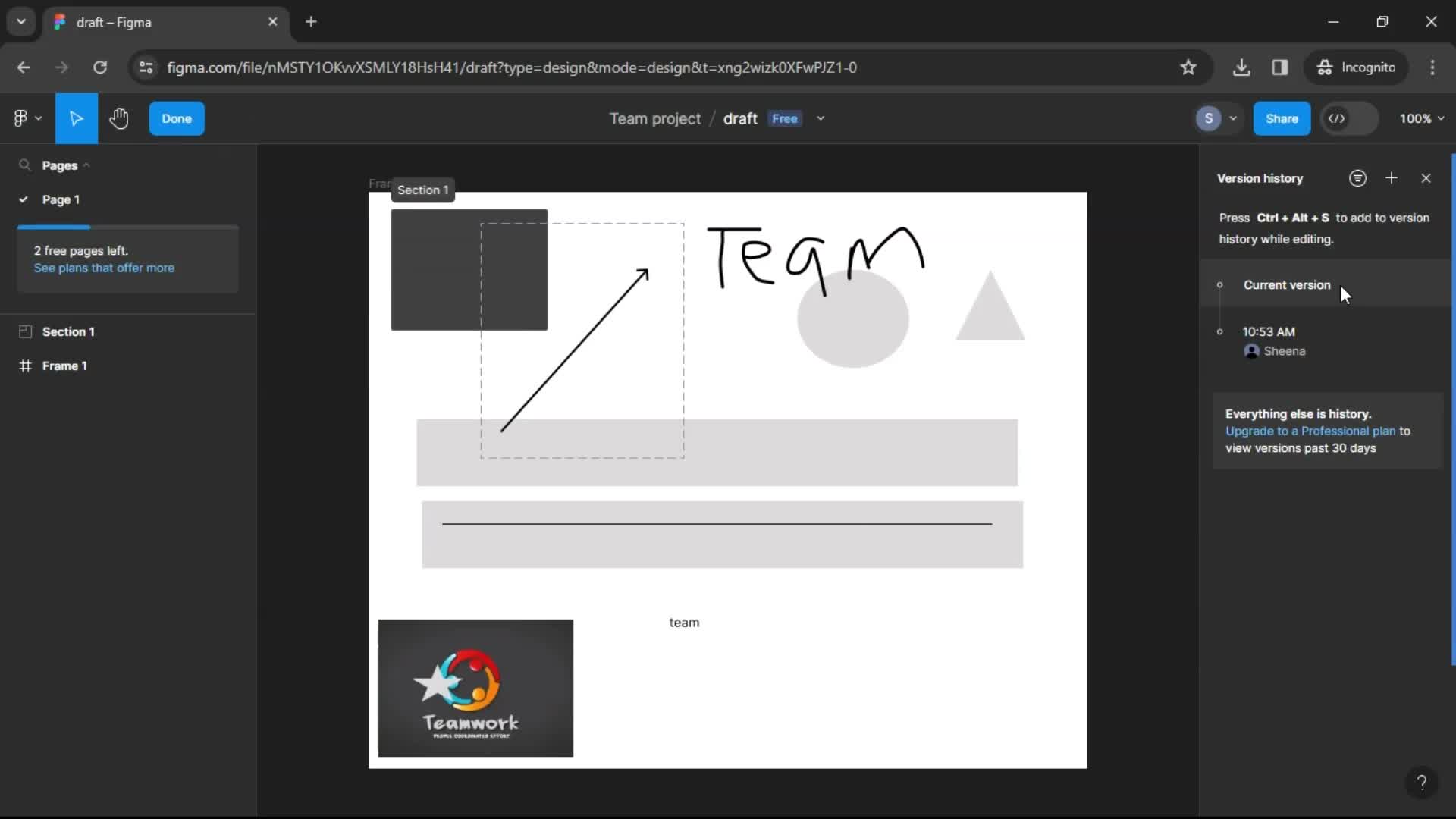
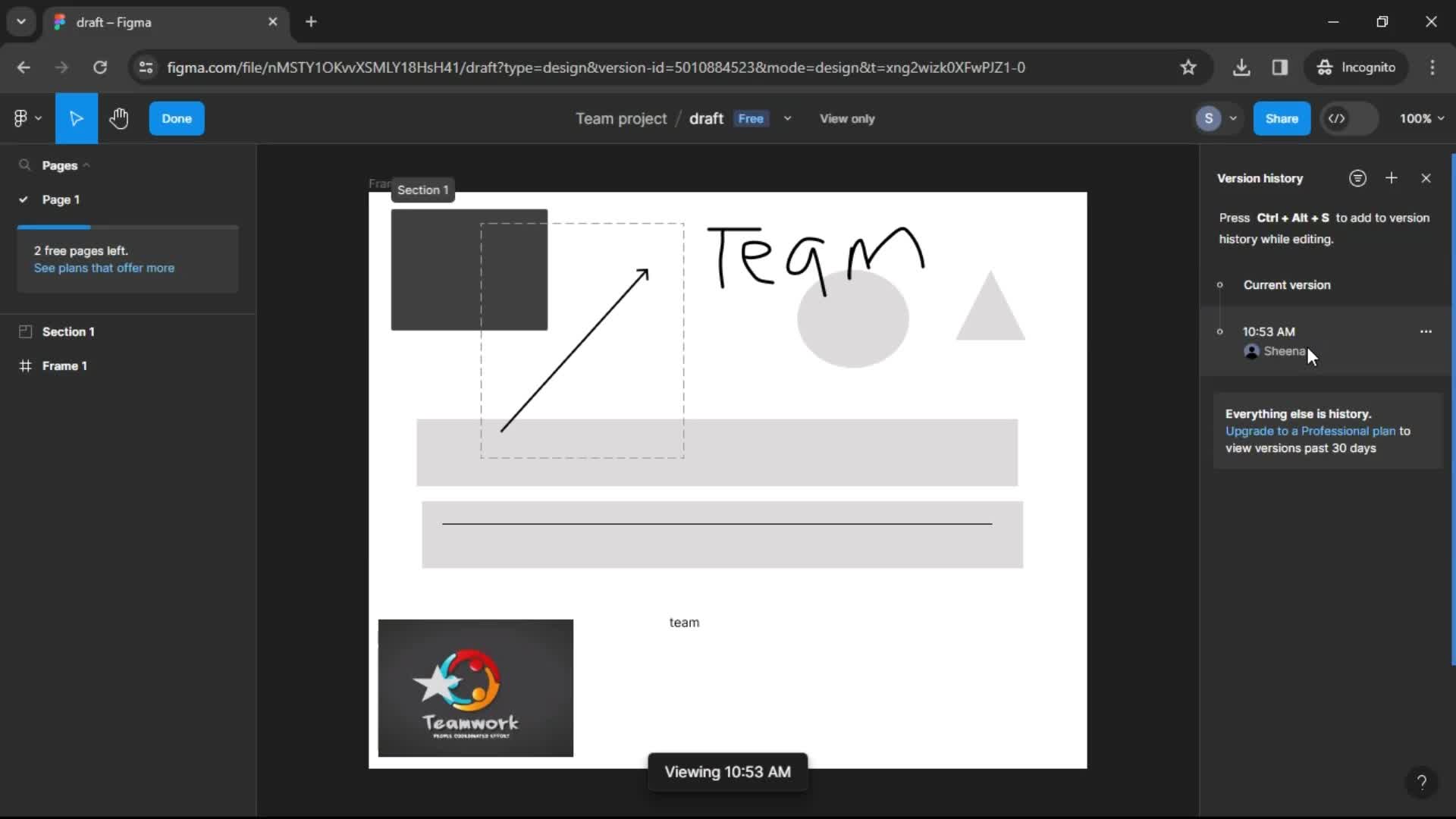
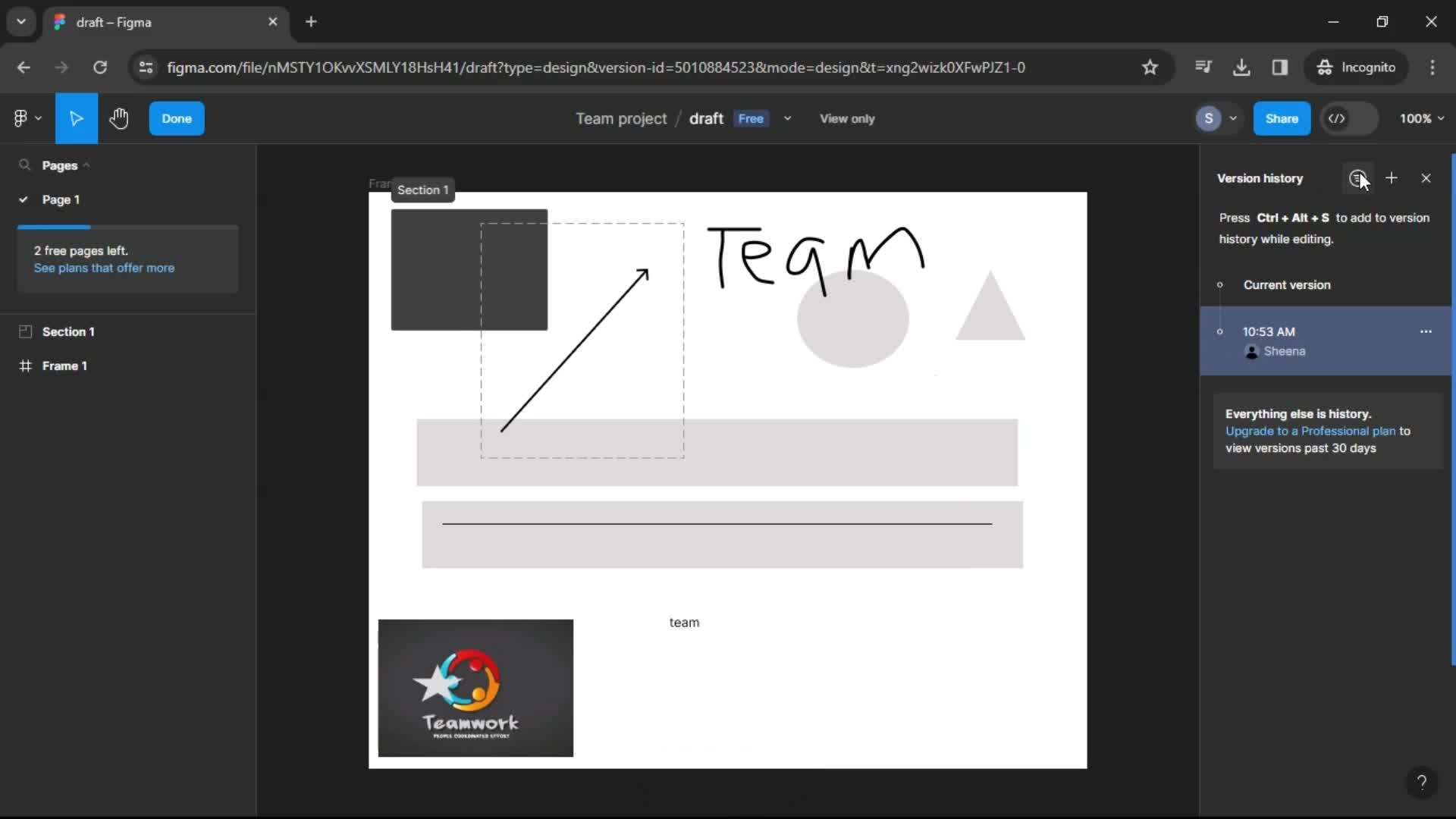
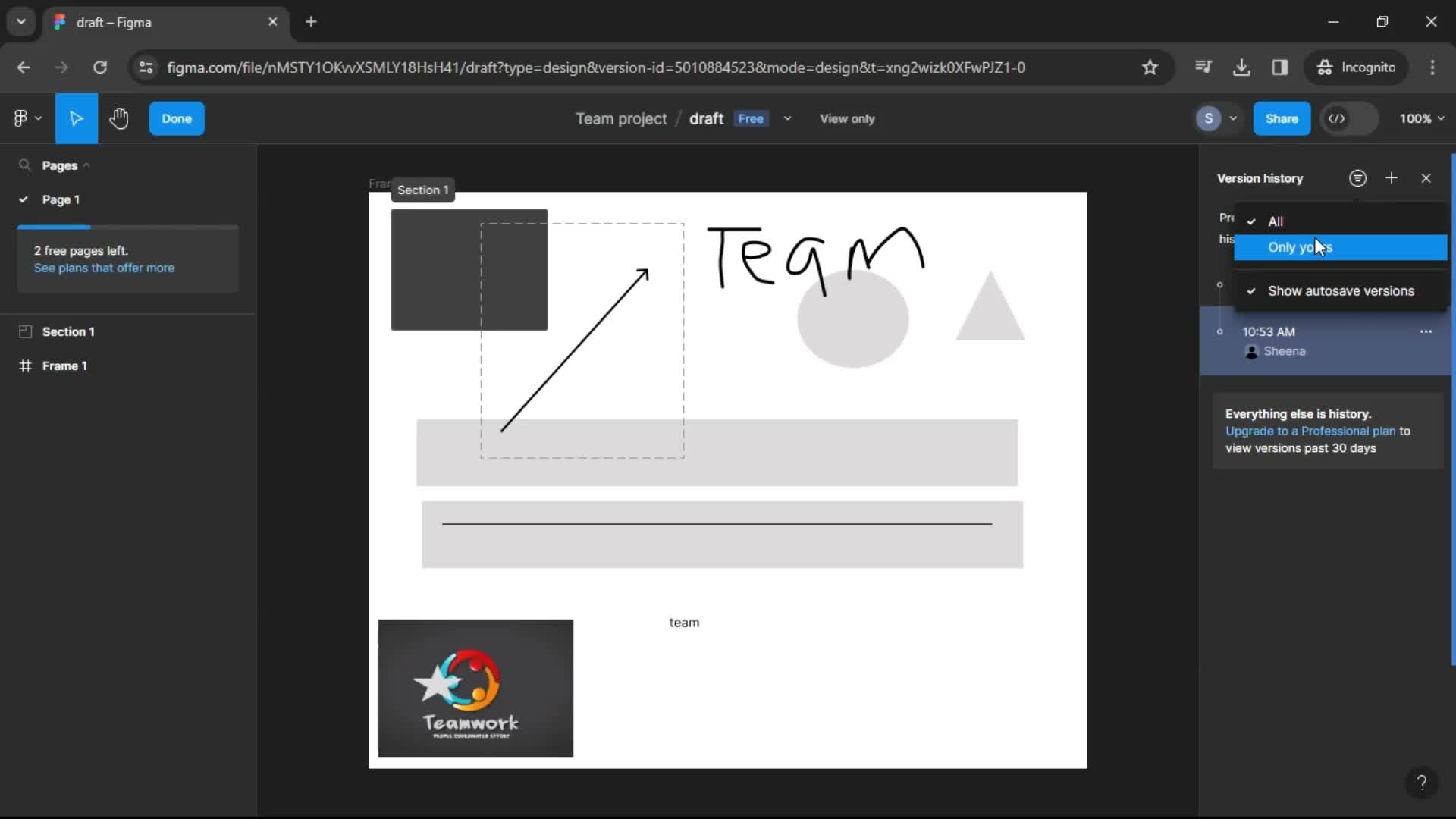
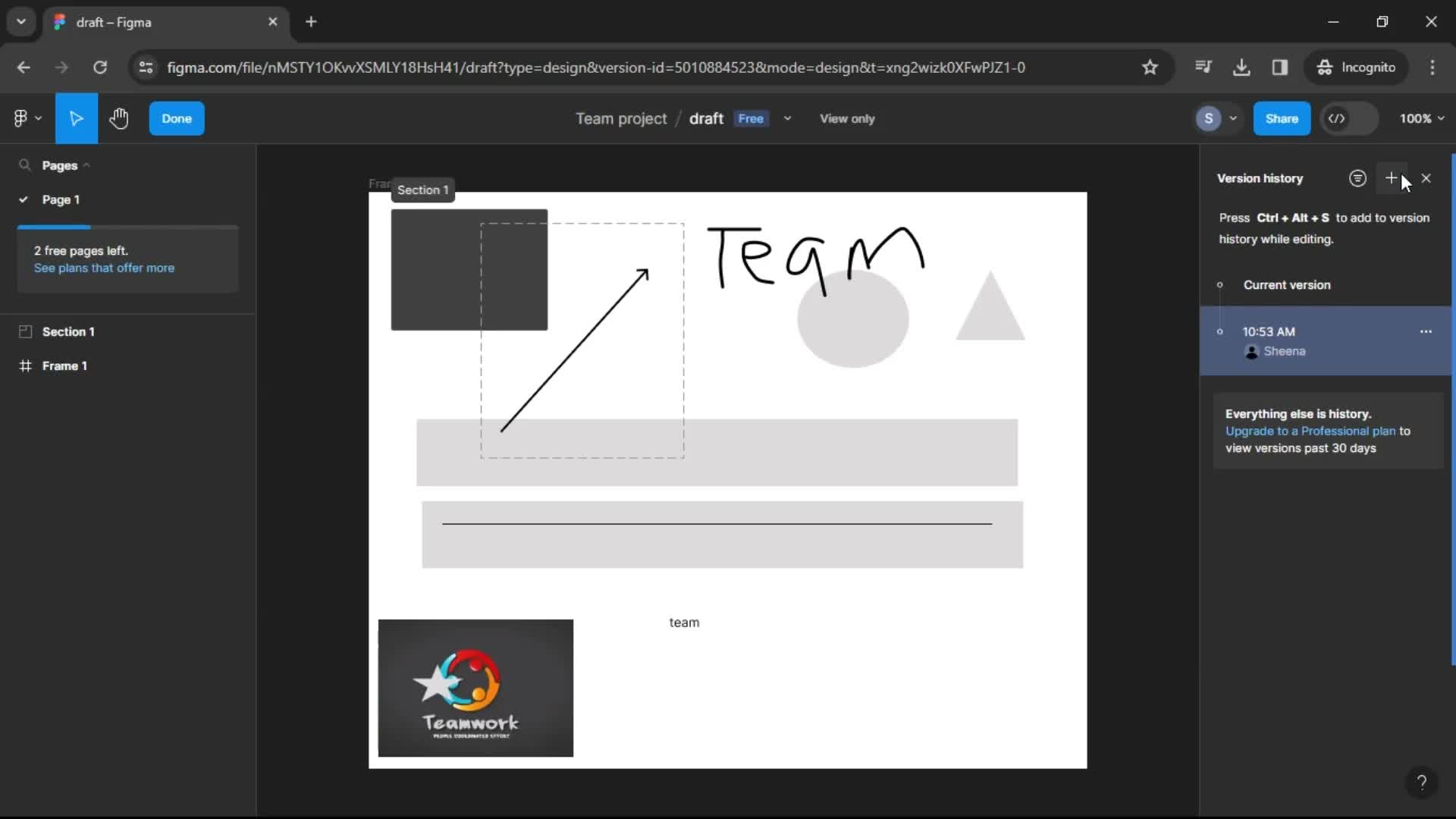
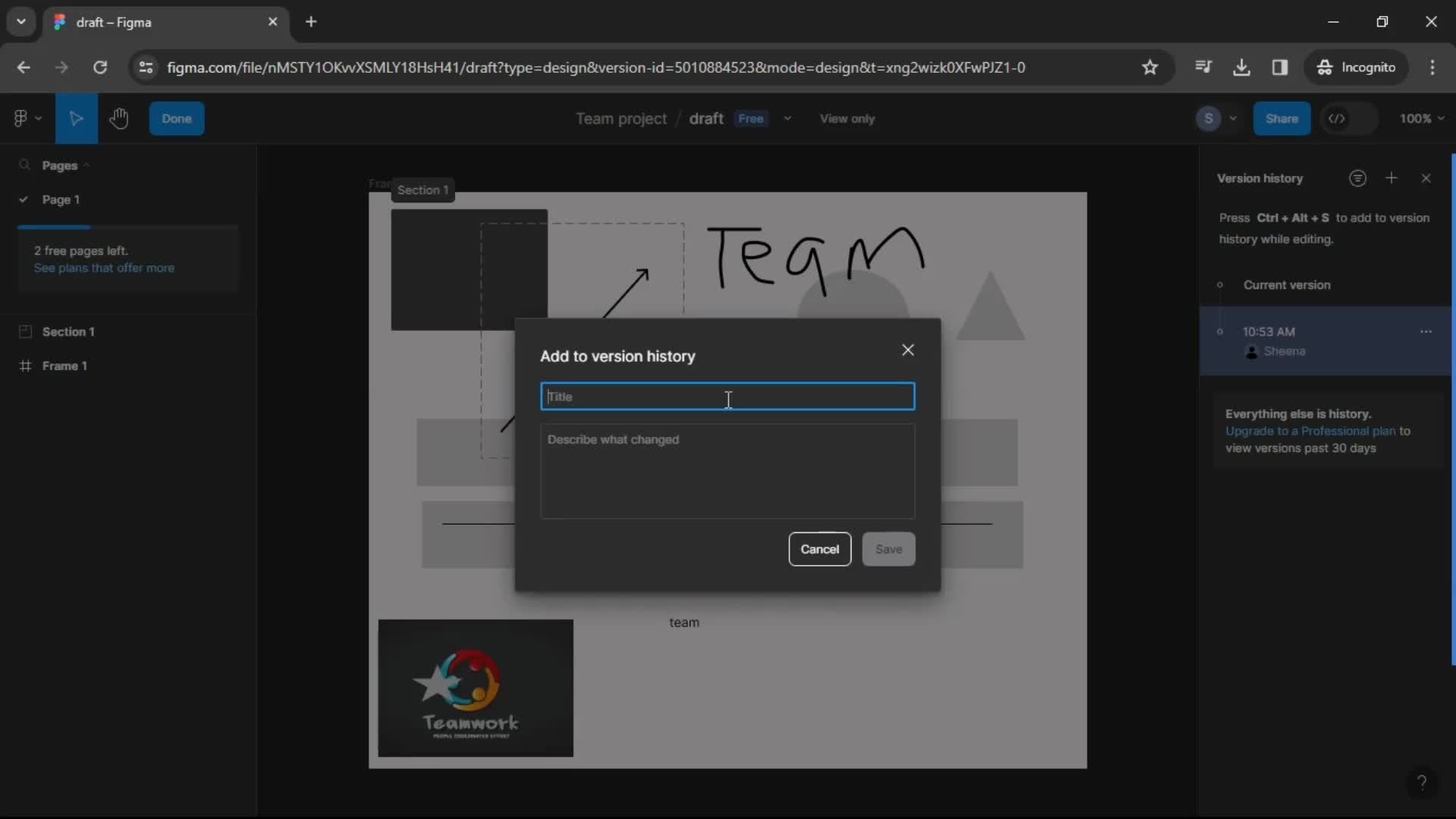
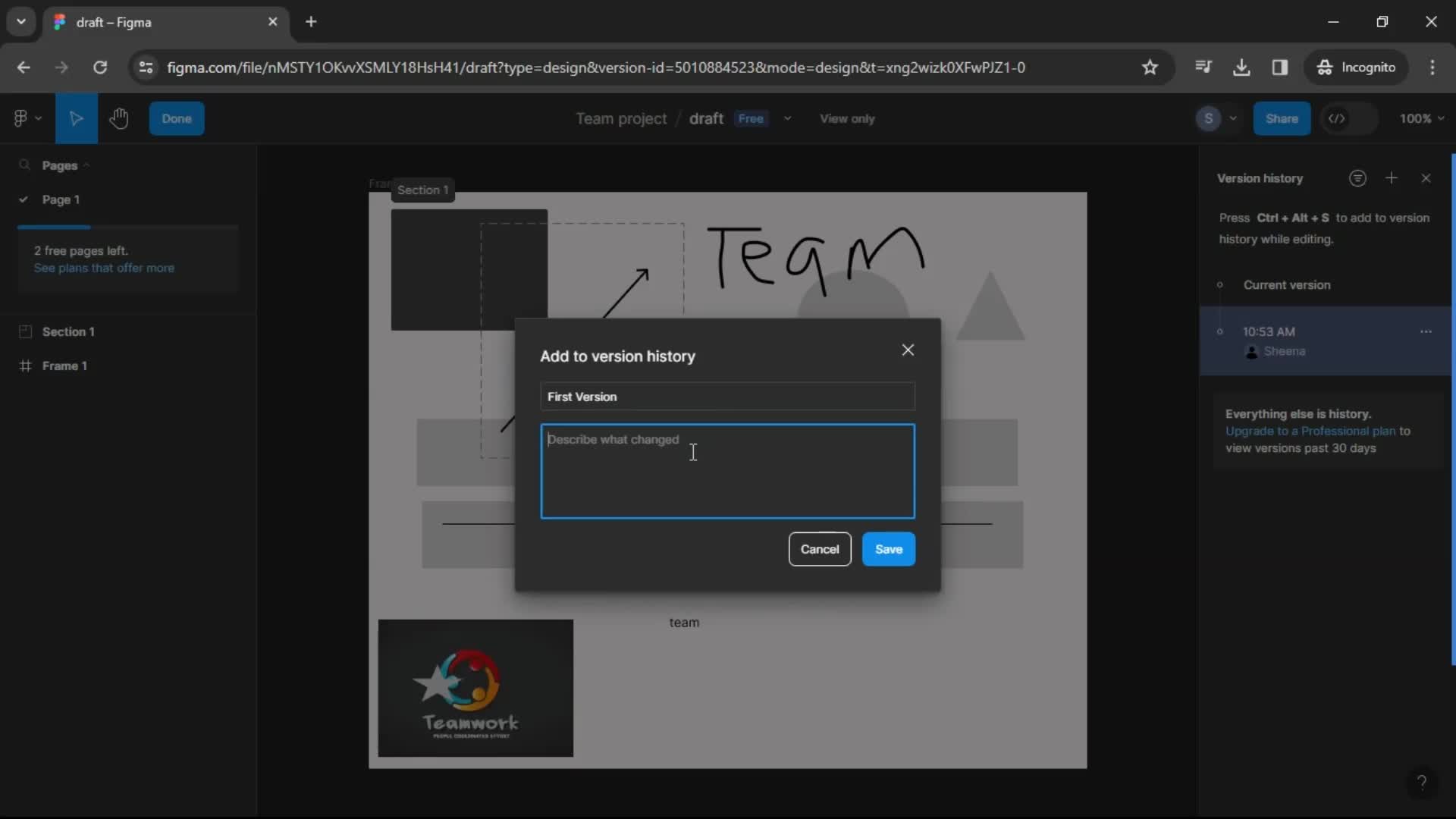
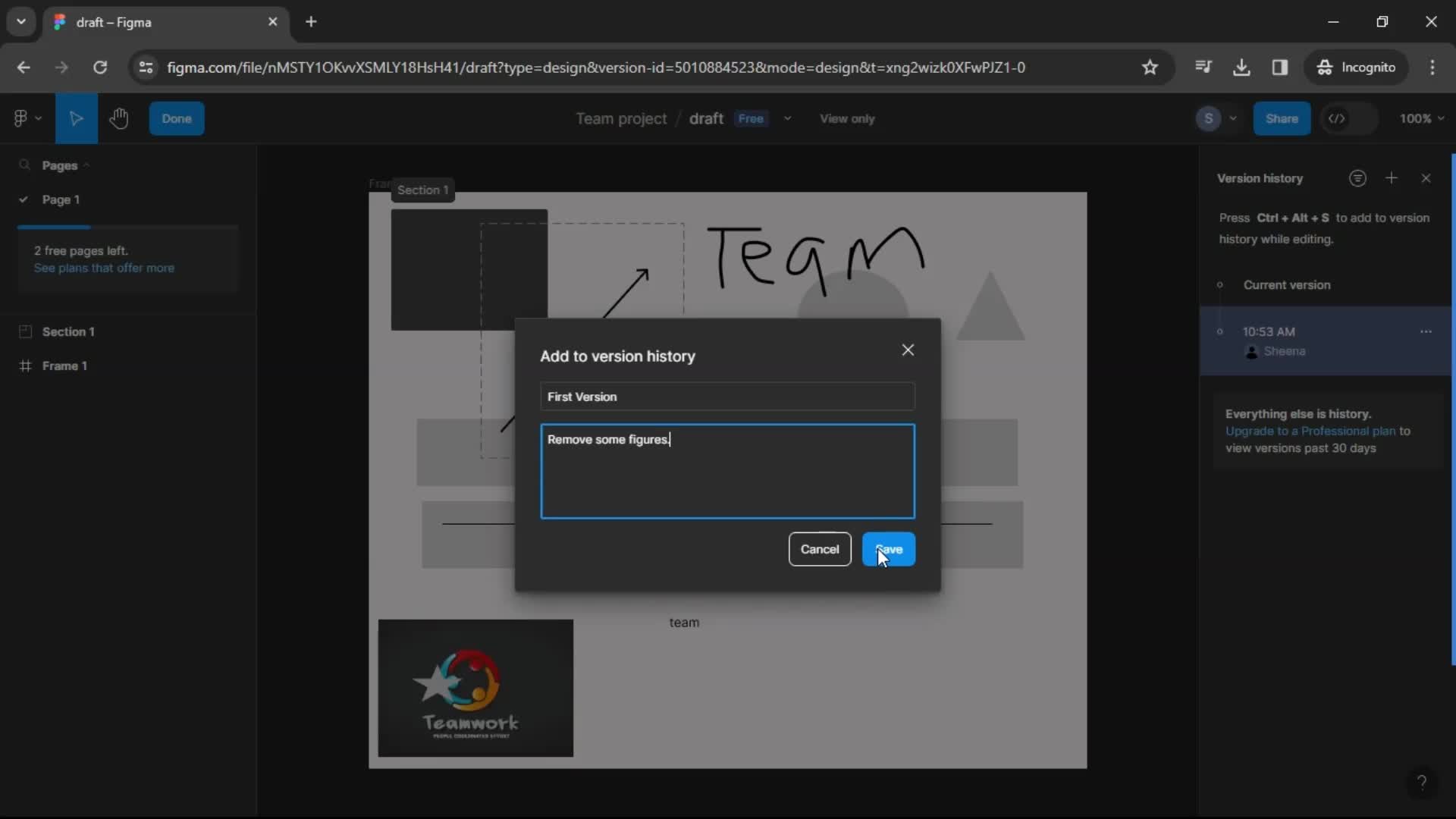
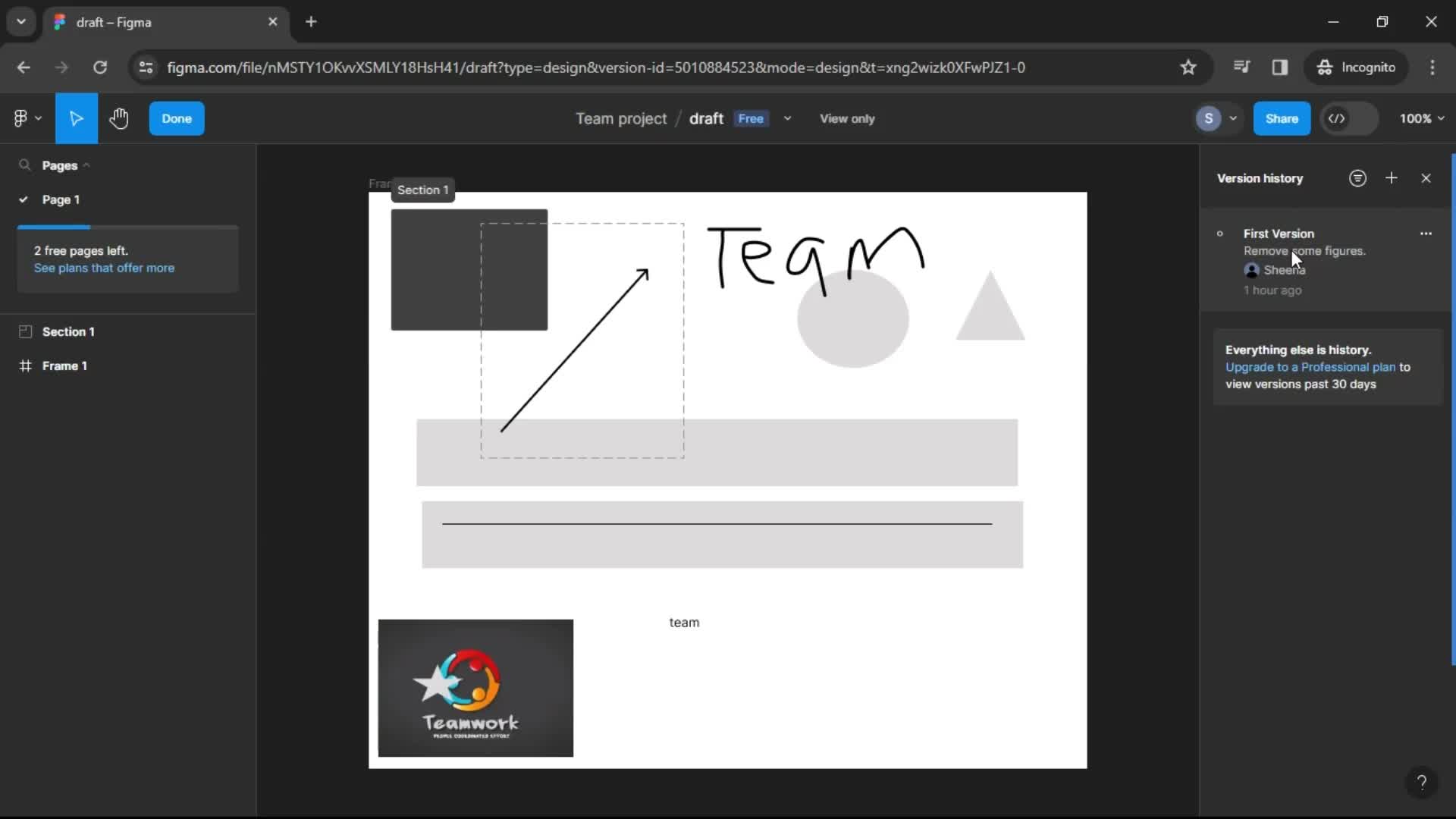




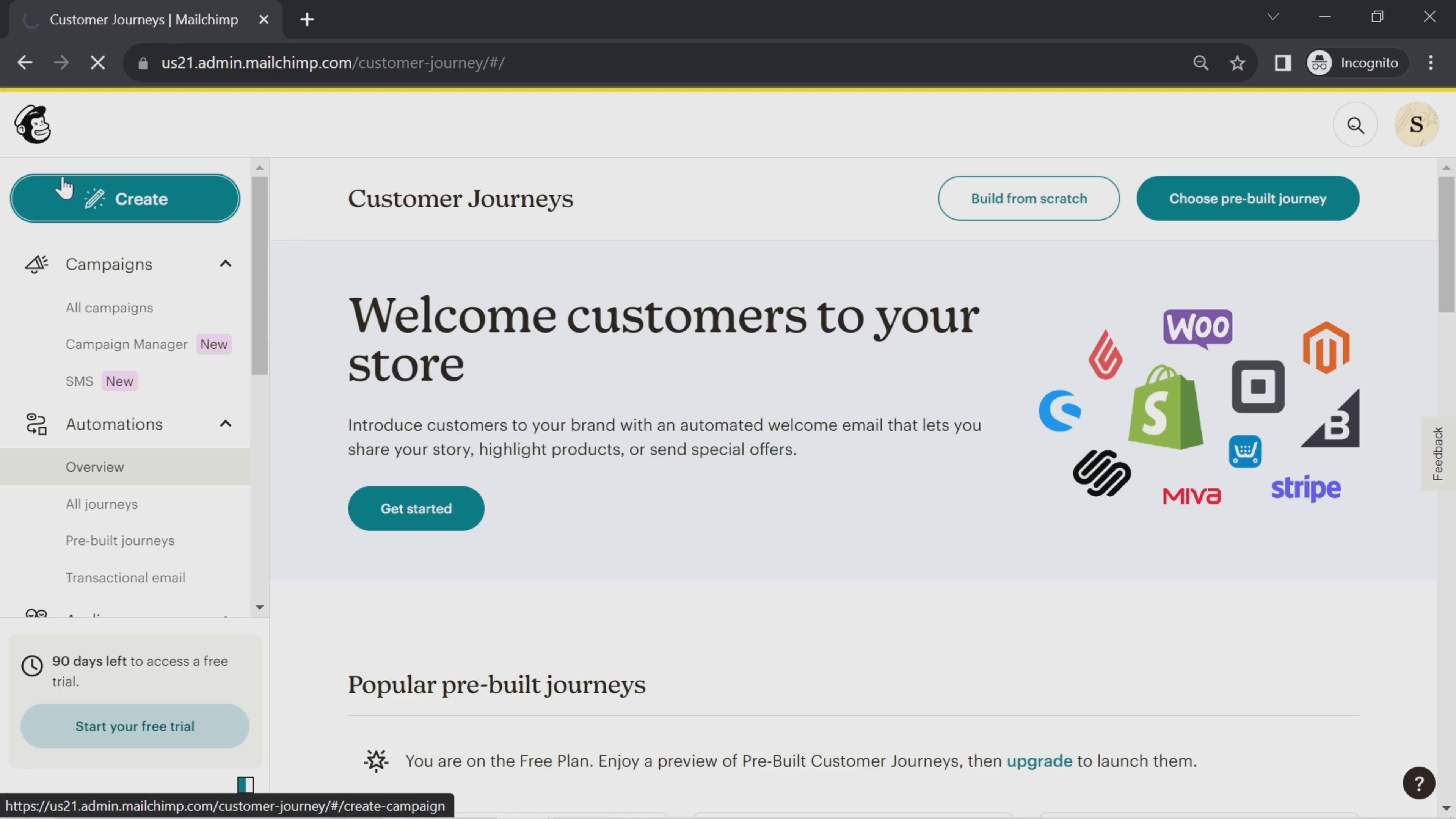

Figma Version history Flow on Web — Full Sequence
This recording documents the Version history flow inside Figma's web experience, captured from the live desktop product. Rather than showing summarized highlights, it preserves the full flow — every screen, hover state, transition, and UX decision — so you can study the real experience, not a press-ready version.
Web-Specific Version history Design Considerations
Version history on the web comes with different constraints than mobile: larger screens, multi-column layouts, keyboard shortcuts, and richer interaction possibilities. Figma's approach to Version history on web reflects those realities, and seeing it in full makes it easy to understand the design decisions behind the flow.
A Reference for Version history Research on the Web
For growth teams, designers, and PMs researching Version history patterns on the web, this recording provides a direct reference to a production implementation. For teams benchmarking against Figma specifically, it's a detailed look at how the brand handles this moment of the experience.
Frequently Asked Questions
What does the Figma Version history flow cover?
The recording captures the full Version history sequence inside Figma on desktop web — every step, every transition, and every significant design decision from start to finish.
How does Figma's web Version history differ from its mobile versions?
Web Version history flows typically use more screen real estate, richer hover interactions, and keyboard-friendly patterns that don't work on mobile. If Figma also has iOS or Android entries, you can cross-reference to see the platform differences.
Can I see Version history flows from other web products?
Yes. The web Version history flows category gathers the same flow type from many different web products, so you can compare Figma's approach against competitors and alternatives.
How up to date is the Figma Version history recording?
Recordings are refreshed when Figma ships notable redesigns, so the Version history flow reflects the current web experience.