When you use a product or service, you want to feel like a VIP, right? That’s customer experience and it begins the moment someone learns that your brand exists. You want your users to associate your brand with a positive–if not exceptional–experience. So, you really need to roll out the red carpet. That raises the question: What is a customer journey?
Understanding customers’ journeys and how to wield them effectively is crucial for business growth. Here’s the good news: the key to customer satisfaction isn’t all that complicated. This is how to get it right.
What Is a Customer Journey?
Every basic journey is a sequence starting with brand awareness and resulting in a purchase. Most go beyond that to also include customer loyalty.
Businesses from all industries use this framework to understand their consumers. The idea is that, with the right information, you can aim to provide a better experience at every customer touchpoint.
But, optimizing this journey is essential. Remember, customers are interacting with dozens of companies every day. Each one is vying for their attention, so what makes them want to be loyal to you? What keeps you at the forefront of their minds?

The Stages of the Customer Journey
Generally, each journey has five stages. As they travel through this journey, the individual goes from a potential lead to a loyal customer. But you’ll need some careful nurturing to get them there. As a result, your customer service team, sales rep team, website, and products are all a part of this process.
So, what are the five stages?
1. Awareness
Step one is where your target customers first encounter your brand. Here, it’s time to make it clear how your product or service provides a solution to their problems.
Customers may learn about your brand through social media, paid ads, web content, or referrals. Whichever channel they arrive from, this is not the time to push sales. At this point in the pipeline, customers are just collecting information. What you need to do here is build trust.
2. Consideration
During the consideration stage, customers think of your brand as a solution to their pain points. Here, you need to give them a compelling reason to keep you in mind.
Crucially, you need to provide further details about your goods and services. Show consideration-stage shoppers how you can solve their problems in more detail. Again, you don’t need to push a sale. Instead, show, don’t tell is the motto to live by.
3. Purchase
Eventually, the customer makes a purchase decision, so this is the make-or-break stage. Sadly, some customers will choose a competitor–as is the nature of business. However, others will convert and buy from you.
It’s your job to persuade them to buy. Provide pricing information, comparison guides, and more to guide them along the funnel. Don’t neglect strategies like abandoned cart email sequences, too.
4. Retention
You don’t want customers to bail on your brand following a purchase. Why? Business.com suggests that returning customers spend 67% more than new ones. Plus, winning new customers is more costly than retaining loyal ones.
In other words, retention is key. The question, though, is how to do it. You can use various strategies, such as email outreach, sales, and community-building, to transform one-time buyers into loyal customers.
5. Advocacy
If you’ve done it right, your buyers will be happy enough to tell their friends. Referrals like this come at no extra cost to you, so they’re a great way to gain new business. Of course, you can even encourage them to spread the word with loyalty discounts and referral programs.
By the way, this might be the end of the map, but your job isn’t over. Successful businesses use this opportunity to create feedback loops and keep loyal customers happy for years to come.
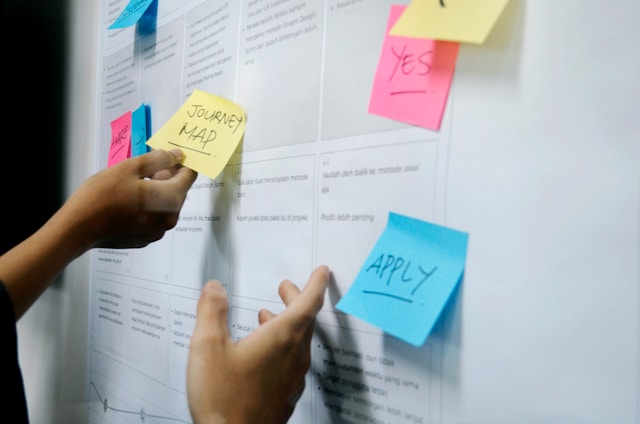
Customer Journey vs. User Journey
User experience (UX) designers might wonder how the customer journey relates to the user journey. First, a definition: user journeys focus in-depth on how a user moves through a digital product.
Both provide a visual representation of user/customer interactions. And, to some extent, both focus on customer experience.
Yes, there is some overlap, but there are also some key differences between the customer journey vs. user journey.
- Channels: The customer’s journey considers both physical and digital channels. However, the user journey is all about the digital medium, so there are fewer touchpoints. Often, the user journey is about just one digital channel, such as a website or app.
- Interactions: The customer’s journey includes the customer service you provide. It focuses on the entire customer journey, in other words, including their experiences with sales reps and more. The user journey is a part of the customer’s journey, too. However, the user journey itself focuses on this one moment of contact between the user and your digital platform.
- Processes: The customer’s journey is about the purchase process. However, the user journey is about the use process. So, in other words, the customer’s journey relates to the whole process of a buyer looking for a product. They then find something that works for them, purchase it, and interact with it. They might even buy it again. User journeys, meanwhile, show how the user interacts with a product to achieve their goals.
Both journeys work together to generate conversions.
Are Customer Journey and Experience the Same?
So, what about customer experience? The customer journey and experience share some similarities, and they must also work together. However, they’re not quite the same thing.
Customer experience (CX) is what customers think of a brand after interacting with it. Their perception influences their customer behaviors, driving them to purchase or fostering loyalty. At least, that’s the positive side of the coin. Bad CX can drive customers away.
CX spans every interaction with your customers, from discovery to customer service. No matter how much you want to, you can’t control this interaction entirely. However, you can try to improve the customer experience and give your target consumers what they want.
The journey is one strategy for improving CX. Knowing exactly where the touchpoints are along the journey means you can optimize each one, honing the CX.
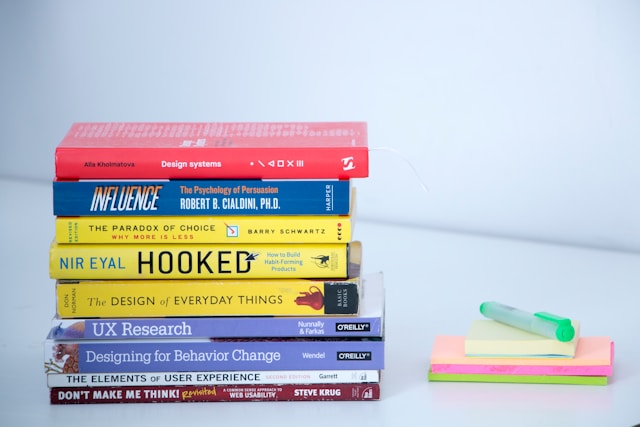
Customer Journey Enhancement: Best Practices
Customers need a premium experience to stay. Some experts call this “the white-glove experience,” and it’s the key to customer journey enhancement.
These five best practices will help you get it right.
1. Start With a Strong Foundation
Since the journey starts with awareness, you need to plan for that first touchpoint.
Create a marketing strategy that helps you serve your ideal customer every step of the way. Creating customer personas can help you target and reach them. However, your strategy should serve not only your buyer personas but also your business goals.
Thus, a strong strategy should cover your vision for customer support, goals and metrics, and any relevant tools or software.
2. Collect Feedback
Your users can tell you everything you need to know. Up-and-running businesses can collect feedback from real users. From there, you can figure out where you’re going wrong. Or, perhaps, celebrate where you’re getting it right.
If you don’t have a business yet, now is the time to conduct in-depth user research.
3. Map the Journey
Next, it’s time to actually map the journey. But before you draw up your customer journey maps, you’ll need a strategy.
Start by outlining how your customer interacts with your brand with a step-by-step process. Make sure you consider a range of possibilities; remember, customers might enter the funnel from different places.
Then, start to draw your maps.
4. Consider Different Perspectives
This is where customer journey mapping gets complicated. A lot of departments and stakeholders need to participate in this stage because customers will interact with all of them. This includes:
- Marketing: This team is often the first to interact with customers. They know how to engage target audiences and trigger brand awareness. They also know about customer expectations and improving your reputation.
- Sales: This team understands the early interactions you have with customers. They understand what turns leads into buyers and what obstacles might get in the way.
- Customer service: This team often interacts more directly with customers. They understand the realities of the journey, including the frustrations your users encounter. They also collect general feedback. As a result, they can provide valuable insights into improving the experience.
Involving all of these teams will help you build the best journey possible.
5. Personalize
Without personalization, your journey is nothing. You need to implement ways to make your customers feel special. After all, nobody wants to feel like they’re one of a hundred. The white-glove experience is all about providing premium service, after all.
Personalization can be as simple as using first names in emails. It even relates to sending thank-you emails following a purchase and involving your customers through surveys.
Basically, the message is this: the journey should not be one-size-fits-all. Instead, you can develop several customer journeys for each user persona.
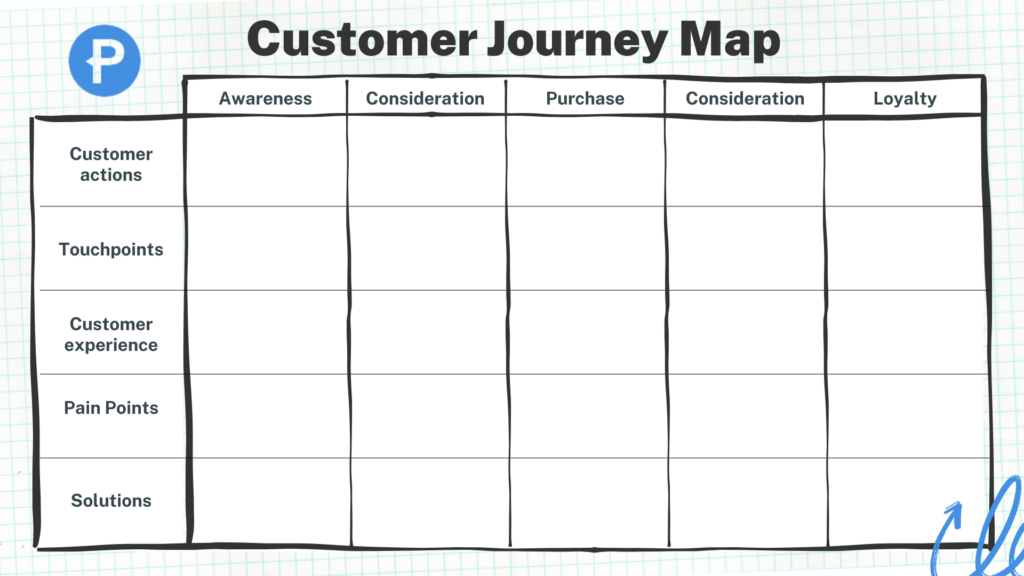
Customer Journey Map Template
A customer journey map template can take you a long way. However, you still need to understand your audience and personalize the process.
Follow these steps to fill out the template above.
- Understand your buyer personas and who you want to target.
- Figure out what the purchase intent of these buyer personas is. What does the buyer want to achieve?
- Map all the touchpoints for a new customer.
- Think about potential obstacles your customers might face and how you can satisfy their expectations.
- List your priorities so you can focus on the most important areas that foster customer loyalty.
- Fill out the template.
Improve Your User’s Journey With Page Flows
Hopefully, this guide answered your question: what is a customer journey? Armed with this information, you can start to improve your customer experience.
From there, you just need to create great designs. So, if you’re looking for design inspiration, why not learn from proven products? Page Flows is a helpful resource for finding interaction design ideas. Get started today to access our growing library of user flow recordings and finally stay up-to-date with current design trends.