Ecommerce businesses around the world want more than anything to create a positive user experience for every customer. But if they can’t get their users even to put one foot through the virtual door, nobody wins.
That’s why designing an effective ecommerce onboarding experience is of utmost importance. However, the question is, “What does an effective ecommerce onboarding experience look like?”
In today’s guide, we’ll reveal the answer. Once you’ve read this guide, you’ll know precisely how to refine your onboarding process for maximum customer engagement.
About the Ecommerce Onboarding Journey
We can’t discuss the ins and outs of creating an enjoyable user onboarding experience without defining what onboarding is.
In ecommerce, user onboarding relates to how you guide new users through their first interactions with your online store. During an effective onboarding process, your users will learn more about your brand and how to use your product/service.
By educating your users on your store’s functionalities and key features, you’ll immediately maximize the perceived value of your products. For that reason, user onboarding journeys need to accommodate the user’s needs, desires, motivations, and pain points.
After all, you can’t convert new users without introducing them to a product that helps them achieve their goals.
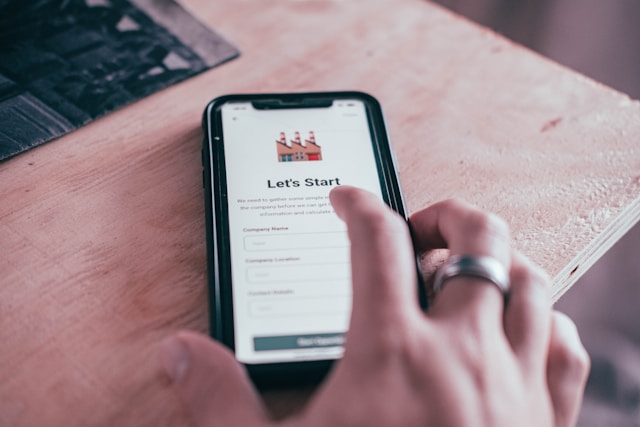
The Importance of Effective Ecommerce Product Onboarding
After reading the previous section, you can probably start to see why the ecommerce onboarding process is so crucial. However, aside from educating your potential customers, ecommerce product onboarding has many other benefits.
Below, we’ve discussed these advantages so you know why the onboarding experience is one of a UX designer’s top priorities.
1. Positive Brand Perception
Your onboarding process will serve as the first impression your users have of your brand, products, and services. The quality of your onboarding experience will set the tone for the entirety of the user’s experience with your store.
The best onboarding experiences will demonstrate an understanding of the user’s needs and desires. Combine such user empathy with a few personalization techniques, and your customers will recognize how much you value them.
As a result, your target demographics will start to perceive your brand in a positive light. And we don’t need to tell you how a positive brand perception drives conversion rates.

2. Increased User Retention Rates
Increasing conversion rates is an important part of running a successful business. But if you struggle to retain the user base you’ve built, those conversions will mean little overall.
Luckily, a solid onboarding flow won’t just boost conversion rates; it will also help improve your business’s retention rates.
As you know, a good onboarding experience will help your users quickly learn how to navigate and use your services. When your users understand how to use your products/services, they are less likely to abandon them out of frustration.
This is how onboarding can support your retention rates while simultaneously boosting your revenue growth.
3. Valuable User-Focused Insights
The best way to maintain customer satisfaction is to improve your offerings continuously.
Your analysis of your onboarding process can help you do that. By analyzing user behavior during the onboarding experience, you can better inform future product development endeavors and marketing campaigns.
Having read the benefits of successful onboarding, we have no doubt that you’re eager to enhance your own onboarding process. But before you do, you must learn about one thing that will shape how you approach the process – B2B e-commerce.

What Is B2B Ecommerce?
If you’re just now entering the world of ecommerce, you’ve probably heard of B2B ecommerce. If you haven’t, you’re about to uncover a hidden gem – B2B ecommerce is one of the fastest-growing sales models.
So, what is B2B ecommerce? Well, the B2B aspect refers to all “business-to-business” (B2B) transactions. “Business-to-business” models involve the exchanging of goods, services, or information between two separate businesses.
The ecommerce aspect simply relates to the fact that customers can purchase products via the business’s online store.
Understanding the Onboarding Process: B2B Ecommerce
Now that you know more about B2B ecommerce, it’s time to learn about the onboarding process for B2B ecommerce. Below, we’ve revealed the steps of this process to help you evoke and maintain user engagement.
1. Conducting User Research
Whether you’re new to B2B ecommerce or a seasoned pro, every successful onboarding experience starts with user research. So, research your active users’ needs, motivations, and frustrations to ensure that your onboarding flow meets and exceeds their expectations.
Tip: It could also prove handy to research your competitors’ onboarding process to see what they are—and aren’t—doing effectively.

2. Deciding on Your User Onboarding Materials and Content
You’ve got valuable data from your user research. Now, what do you do with it?
For starters, you need to analyze what you’ve learned about your users to see how they want to experience onboarding. For instance, an onboarding flow without analytical support could make users painstakingly sift through lengthy user manuals.
In contrast, a well-researched onboarding flow could offer options like user manuals, video walkthroughs, and even interactive product tours.
However you structure your onboarding flow, always base it on what your user research tells you about your users.
3. Outlining the Stages of the Onboarding Process
Now that you’ve made some vital design decisions, you need to plan how you’ll structure them. You need to anticipate your users’ initial interactions with your product, including where they happen.
You also need to determine what information the users need to progress through the onboarding flow.
At the same time, you need to know when to withhold information to streamline the flow. For instance, during the user registration stage, it’s best to design with simplicity and speed in mind.

4. Incentivizing Your Users
If you’re working on an ecommerce app or website to accompany your physical store, you’ll need to do some convincing. Specifically, you need to persuade your customers to switch to your ecommerce store.
We recommend running some promotional discounts like “20% off your first purchase” to incentivize your users.
At the surface level, discounts will pique the interest of even the most budget-conscious customers. But beyond this, your discounts will help your users appreciate the convenience of online shopping.
5. Scheduling Onboarding Calls
Some of your customers may need a little extra support when making the switch to your online store.
Arranging phone/video calls with your customers to explain vital changes shows your commitment to their experiences with your business. A call is a great opportunity for your customers to raise concerns, ask questions, and provide valuable user feedback overall.
Make a note of any inquiries that you encounter – it will help you shape a more helpful onboarding experience.
6. Encouraging Your Customers To Place Practice Orders
Practice orders enable your customers to get familiar with your store in complete comfort. By encouraging your customers to place practice orders, you can help them overcome any reservations they might have.
What’s more, you can use practice orders to identify any bumps in the road that your customers experience.

7. Providing Additional Helpful Content
Always provide helpful blog posts, instructional guides, and troubleshooting tips for when you or your team isn’t readily available.
Doing this means that your customers never have to navigate/use your store directionlessly.
8. Following Up With Your Customers
After the onboarding process is complete, make sure to allocate some time to follow-up calls or meetings with your customers.
Making time to go above and beyond to ensure your customers’ ecommerce experiences meet their needs benefits everyone. Not only will your customers appreciate your consideration, but your business will also reap the likely rewards of brand loyalty.
Customer Onboarding: Ecommerce Best Practices
Now that you know how to go about ecommerce onboarding, you’re ready to learn how to improve it.
Below, we’ve compiled a list of our top picks for the best customer onboarding ecommerce practices.
- Add clear, visible communication channels like support ticket systems and chatbots. Be clear about how the user can use these features and how long they can expect to wait for responses.
- Divide lengthy learning curves into smaller segments to maintain your users’ engagement.
- Avoid industry-specific language and technical jargon. You want your users to learn how to use your products with ease, so use simple language instead.
- Incorporate intriguing visuals like videos, gamified elements, and animations to make your onboarding process more enjoyable.
- Use high-quality photography and accurate product descriptions when introducing your services.
- Utilize progress bars to let the user know how much progress they have left to make.
- If users accept cookies, you can personalize their experience by using their personal data, like their browsing history. This will make it easier to recommend relevant products, highlight personalized offers, and make the experience more engaging overall.
- Celebrate milestones in the onboarding process with things like loyalty points and discount codes.
- Always seek out user feedback to iterate and improve your onboarding process consistently.
- Design with accessibility in mind.
What Are Merchant Onboarding Services for Ecommerce?
Before you finish reading our guide, we’d like to tell you about merchant onboarding services for ecommerce.
Merchant onboarding refers to the process of setting up a business by a payment company. In other words, merchant onboarding allows your business to accept and manage customer payments securely.
You need merchant onboarding services if you want consistent operational efficiency and reliable risk management.
To point you in the right direction, we’ve listed some of the best merchant onboarding services below:
Ecommerce Onboarding: Final Thoughts
Hopefully, you will feel more confident when approaching your own onboarding/ecommerce projects.
To help you further, we’d like to provide some additional inspiration. Meet Page Flows.
Page Flows is the home of thousands upon thousands of user flow recordings, screenshots, and emails from email marketing campaigns.
We document common but impactful user flows for designers to learn from to improve their users’ journey.
Our ethos is simple – don’t reinvent the wheel, just learn from it to set the new benchmark for user-centricity. Our users have access to user flows from successful brands like Amazon, Google, Disney, and even Walmart!
Best of all, ecommerce onboarding is just one of our many specialties. Get started today to learn how to master the art of user onboarding!