

The immensely positive reception of the action RPG Black Myth: Wukong has the video game industry abuzz. Along with the Silent Hill 2 remake on the horizon, it’s a great time to be a video game designer.
For that reason, we’ll explore the ins and outs of video game design jobs in today’s article. You’ll learn all about a game designer’s role and responsibilities, as well as crucial technical and creative game design skills.
By the time you’ve read this guide, you’ll know whether a career in video game design is right for you!

What Do Video Game Designers Do?
Your first question is likely, “What do video game designers do?” It’s easy to say that a game designer aims to optimize game UX and game UI design. While this is true, there’s so much more that goes into bringing a game to life.
A game designer is responsible for creating essential elements like characters, objectives, narratives, environments, visual designs, and game mechanics. Game designers also must strike the right balance between challenges and rewards to maintain player engagement.
As you can imagine, this creative process also involves building prototypes and collaborating with many different designers and software developers. Most importantly, however, a game designer must utilize their knowledge of design and storytelling to create a fun user experience.
To bring such engaging gameplay experiences to life, game designers require both creative skills and technical skills, including the following:
- The ability to develop engaging plots, characters, and levels (storytelling)
- An understanding of UX design
- An understanding of game design trends like virtual reality (VR) and augmented reality (AR)
- Strong graphic design and UI design skills
- An understanding of how video game development works
- Collaboration and communication
- Creativity and problem-solving
- Time management
- Strong drawing skills, especially when it comes to illustrating game-level layouts and maps
- An ability to conduct market and user research
- An understanding of sound design
- A passion for games
How To Become a Video Game Designer
Knowing what game designers do, it’s not a stretch to say that game design is a highly competitive field. So, you’ll need to know how to become a video game designer that stands out from the crowd. Below, you’ll find the steps you need to take to achieve that goal.
1. Choosing the Right Subdiscipline
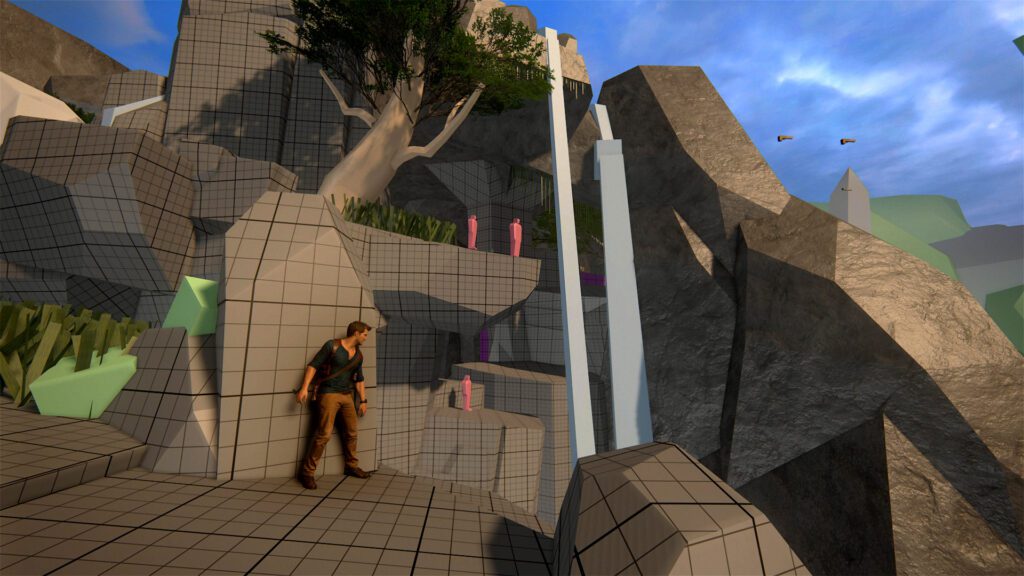
Game design is a broad term for many disciplines within the gaming industry. In other words, it’s best to look into game design subdisciplines to find out which ones suit your aspirations.
Let’s say you like the sound of designing specific levels or maps within a game. In this case, you’re better off training/studying to become a level designer. Alternatively, if you want to design a game’s HUD, you’ll find the role of a game UI designer appealing.
Use this time to explore the different disciplines within game design, researching their pros and cons as you go.
2. Revisiting Your Favorite Games
Chances are that if you want to be a game designer, you’re also an avid gamer. The thing is that when we play games, we’re too busy having fun to think about the work behind them.
So, to prepare for your new role, we recommend replaying your favorite games. Think about what you like and dislike about the game’s mechanics, levels, plots, and other core elements.
You could start to think about the ways in which you’d improve the parts of the game you don’t like. This will help you adopt the mindset of a professional game designer.
3. Studying the Basics
Knowing the necessary skills of a game designer is a great first step to becoming one. That said, there’s more to game design that you should know, including game design principles.
These principles cover everything from rewards and challenges to defining what the player can and can’t do. By studying game design principles, you’ll always have access to the perfect guidance throughout your projects.
You also need to explore a variety of game mechanics, which are the rules that guide players through their games. Keep in mind that your game’s mechanics should be consistent, original, intuitive, and fun.
On top of this, you must allocate some time to understand the intricacies and conventions of different game genres. This line of study will allow you to meet your target players’ expectations, allowing for better gameplay experiences.
4. Acquiring a Formal Degree
It’s worth mentioning that you don’t strictly need to have attended a college program to become a game designer. That said, there are many employers out there who prefer applicants with a degree in game design. For that reason, we believe that looking into a game design degree is definitely worth your time.
Alternatively, you can also study for a degree in software engineering. Software engineering degree programs cover a variety of software designs, as well as software architecture, information systems, and UX/UI. Put differently, a software engineering degree is perfect for an aspiring game designer.
Tip: If you require a more accessible means of study, you can always enroll in a game design bootcamp. We recommend looking into Circuit Stream’s Game Design Bootcamp.

5. Gaining Practical Experience
Your next step is to put your knowledge into practice. The question is, how do you gain practical experience without prior employment? Thankfully, there are a few ways you can do this, including:
- Applying to become a game tester
- Getting an internship at a video game studio
- Seeking out freelance work on platforms like Upwork and Fiverr
- Participating in game jams
- Working on personal projects like designing indie games
- Making valuable connections with game design/development communities like Seattle Indies
6. Building Your Portfolio
It’s crucial that you compile the projects you work on into a professional portfolio. Your portfolio is a great opportunity to showcase your knowledge, skills, and overall value to your future clients.
Curate the best final outcomes from your projects and explain the rationale behind your design decisions. More often than not, the reasons behind your design decisions will stem from your knowledge of your ideal player base.
This is great, too, because you will then be able to demonstrate your user-centricity and adaptability. Make sure to also use visual aids, like concept art and wireframes, to emphasize your dedication to the design process.
Don’t shy away from including any obstacles you had to deal with either, as your resolutions showcase your problem-solving prowess! Ultimately, with your portfolio, qualifications, passion, and skillsets, you’ll have no problem garnering the attention of a hiring manager.

Exploring the Average Video Game Designer Salary
Before you seek out any role, it’s always best to know what salary you can expect to earn from it. That’s why you’ll find our breakdown of the average video game designer salary below.
- Entry-Level Video Game Designer: $59,629/year
- Mid-Career Video Game Designer: $80,720/year
- Senior-Level Video Game Designer: $98,551/year
Note: These figures come from Payscale.
FAQs
What skills are necessary to become a video game designer?
Below, you’ll find some of the most important video game design skills that every game designer should have:
– Creativity
– Communication
– Time management
– Problem-solving
– Storytelling
Does game design require a knowledge of coding?
It’s game developers who require coding competencies to create a playable video game. Game designers, on the other hand, focus more on aspects like the game’s characters, visual designs, objectives, rewards, and challenges.
How long does it take to create a video game?
The duration of the game design and development process will vary depending on the complexity of your video game. Designers typically spend two to five years creating a complex game.
Becoming a Video Game Designer: Use Page Flows To Enhance Your Skills
You now know whether becoming a video game designer is right for you. Your next step is to refine the UX skills that will determine the playability of the games you design. Specifically, you need to master the art of intuitive navigation, which is something you’ll need Page Flows for.
Page Flows is the go-to hub of inspirational user flows, which are the building blocks of effortless user navigation. We document nothing less than exceptional user flow examples, covering everything from onboarding to sending messages.
What’s more, our curations come from lucrative brands and industries that will never fail to inspire you. For example, as a video game designer, you’d benefit from our Playhouse and Monument Valley flows.
We’ll give you the resources you need to create superior user experiences; you’ll design products that your users/players love. Together, we’ll make your path to success much clearer. Check out Page Flows today to learn how to make your product’s navigational structure an experience-enhancing asset!