
Fleeting as some may be, trends shape the digital design industry. Just think of how commonplace trends like dark mode design are nowadays.
The trends that stick around change what it means to create exceptional digital products. So, the trends that come from a generation who knows the internet like the back of their hands are essential.
By implementing Gen Z design trends into your products, you know that you’re prioritizing inclusivity, engaging visual styles, and user-centricity.
Since these are all qualities of great UX, we’ll discuss Gen Z-focused UX/UI trends in today’s guide. With what you’ll learn, you’ll know how to create compelling, modern products that are perfect for the future of design.

Meeting Generation Z
Before we discuss how to utilize popular Gen Z trends, you need to start where every UX design process begins. In other words, you need to learn more about your target users.
Generation Z includes those born between 1997 and 2012. Unlike previous generations, Gen Z didn’t grow up in a world without the internet.
In terms of digital content, this means that Gen Z users typically have higher expectations regarding any online experience. After all, Gen Z users are digital natives, and knowing how to leverage excellent UX designs is practically second nature.
This means that UX designers must really hone their creative and innovative design skills to create engaging, personal, immersive experiences.
That’s why keeping up with design trends is crucial. They’ll give you an insight into Gen Z’s preferences and expectations.
Gen Z: Design Trends That Every UX Designer Must Know
We’ll start with the Gen Z design trends that concern the UX aspects of a digital product.

Minimalism & Simplicity
There’s an overwhelming abundance of information no matter where you go online, and Gen Z knows it better than anyone.
It’s for that reason that, to contrast the information overload, Gen Z values simple, clear designs.
So, to leverage this trend, it’s best to design clean user interfaces that are free of visual clutter. Create a strong visual hierarchy that emphasizes the order of importance of specific elements and only displays must-have components.
You should also use white space (the empty space between design elements) to direct the user’s attention with ease. Using these techniques will help you create the simple, minimalist navigation that Gen Z appreciates.
Mobile-Centric Responsiveness
This is an age of tapping, pinching, and swiping, which means you must create responsive designs.
Designing with responsiveness in mind means that your user interfaces translate effortlessly to a variety of different devices/screen sizes. This is especially important for Gen Zers, who have access to phones, laptops, tablets, and smartwatches.
That said, it isn’t just enough to create user interfaces that pair well with a range of devices. You also need to optimize their performance across said devices. After all, a lot of Gen Z grew up with fast-loading apps and websites and have come to expect it.
Personalization
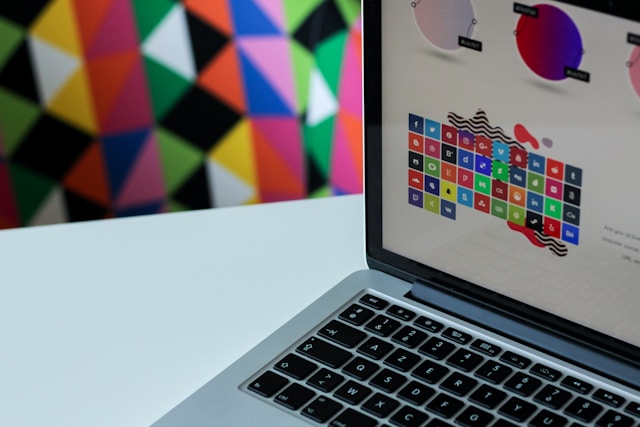
What really resonates with Gen Z are products that can accommodate their specific interests and preferences. The best way to cater to these needs is to implement customizable settings.
This can mean that you allow your users to adjust things like your product’s layout, color scheme, or font sizes.
Of course, adding these customizable elements for the sake of it won’t be enough to increase conversion rates. You need to conduct user research first to understand the preferences your users have and why they have them.
The insights from your research will tell how you should approach personalizing your content in a way that users value.
Inclusivity & Accessibility
Gen Z is the most diverse generation in history, and your designs should reflect that diversity.
For UX/UI designers, this means implementing inclusive copy and imagery that cater to many different cultural and visual identities.
It also means designing with accessibility as a top priority for all users regardless of their cognitive or physical ability. Accessibility isn’t just morally right; it’s a requirement of the law.
So, make sure that you implement color contrasts, readable fonts, and subtitles/captions. Ensure that your designs also support assistive technologies like screen readers.
Tip: Look into the Web Content Accessibility Guildelines (WCAG) 2.2.
Authenticity
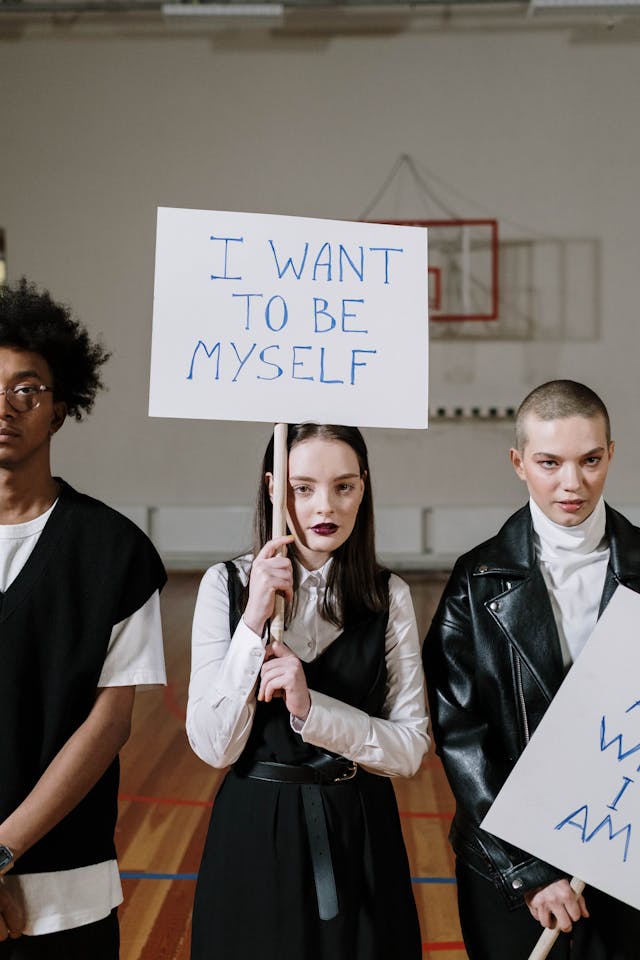
Generally speaking, Gen Z is seemingly one generation that doesn’t gel well with corporate culture.
Instead, they respond more positively to real people in the real world. Notice the repetition of “real” – Gen Zers value authenticity over perfect, polished designs.
This means that you should use cliches, stock images, and filtered visuals. You should also consider crafting your product’s UX writing with a more personal, casual touch.
Take the time to be transparent about your brand’s story, values, and identity. If your Gen Z users feel like your UX has an ulterior motive, they won’t use or enjoy it.
Gen Z: Graphic Design Trends To Enhance Your Design’s Visuals
Now, let’s shift focus to the visual side of Gen Z’s must-have digital products.
Below, you’ll find the Gen Z graphic design trends that you would benefit from incorporating into your products.
Bold, Bright Colors
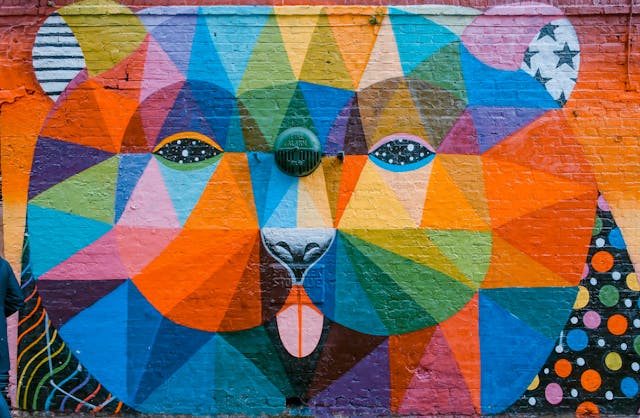
Gen Z gravitates toward bright, bold colors that reflect their expressive nature. If the words “neon,” “electric,” or “vibrant” precede your color choices, you’re on the right track.
We recommend experimenting with color combinations with high contrasts and fluid color gradients, which are also popular among Gen Zers.
Ultimately, for Gen Z, graphic design should communicate energetic enthusiasm and enhance a product’s depth and intrigue.
Unique Typography
Serif fonts reflect traditional sophistication and authority, which goes against Gen Z’s appreciation of uniqueness and individuality.
That’s why custom typographic elements that reflect a unique, “handwritten” style are more popular among Gen Zers.
So, if it aligns with your brand, consider implementing trendy fonts that convey a sense of informality and playfulness.
You may also benefit from experimenting with exaggerated stroke weights to embolden your typography further.

Nostalgia
Nostalgia is key to user-centered design. Nostalgic design styles enable your users to emotionally connect to your products because they introduce a familiar layer to them.
What’s more, Gen Z is one of the most nostalgic generations there is. According to a study from GWI, 50% of Gen Z feel nostalgic for different types of media. As a designer, this longing that Gen Z has for simpler times and media is a great opportunity.
For Gen Zers, nostalgia translates to the trends of the 90s and early 2000s. Think of Y2K graphic design and its nostalgic design elements – three-dimensionality, glitch art, retro tech imagery, and metallic textures.
Consider implementing signature elements (such as the ones listed above) of nostalgic trends and movements into your designs. You’ll find that this adds to your brand’s authenticity as it demonstrates that you share cultural memories with your users.
Anti-Design
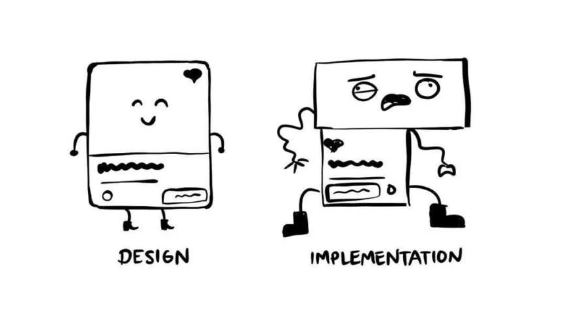
The anti-design trend eschews the conventional approach to design in favor of unabashed, extreme creative expression.
As you can imagine, anti-designs include a mismatch of visual characteristics, including asymmetry, clashing color palettes, and overlapping text/imagery.
This chaotic motley of visual elements can serve as a criticism of the social media perfectionism that Gen Z experiences. It can also act as a celebration of uniqueness and individuality, which would appeal to Gen Z.
However, keep in mind that you must tread carefully when balancing anti-design elements with accessibility. You don’t want your bold designs to exclude any of your users from experiencing it.
Memes
It’s no secret that memes have become a widespread manner in which Gen Zers communicate with one another. In fact, according to GWI, 18% of their Gen Z respondents believe that brands should relate to their humor.
There are many ways you can incorporate memes into your design, including using their structures and their imagery.
The main thing is that you monitor social media consistently for trending memes. When businesses leverage old memes, it comes across as a disingenuous tactic rather than a playful design element.
You should also use memes sparingly and in accordance with your brand.
FAQ
How do I design for Gen Z?
On the UX side of things, focus on imbuing your products with inclusivity, accessibility, minimalism, responsiveness, and personalization.
As for the visual aspects of your designs, aim to include bright colors, striking typography, memes, and pop culture references. You should also consider experimenting with different design styles like Y2K graphic design and anti-design.
Why is Gen Z famous?
Generally, many people know Gen Z as a generation with an extreme online presence. Whether Gen Zers are working, shopping, or socializing, activities such as those are often online.
Gen Z is also famous for its strong social and political opinions and a great need for brand authenticity.
What types of design appeal to Gen Z?
Regardless of the products you sell or the styles you use, there is one must-have quality of Gen Z-focussed designs. That quality is that your designs must reflect Gen Z’s values.
Think inclusivity, authenticity, and sustainability – these principles will help you create designs that appeal to Gen Z.
Use Page Flows To Create the Best Gen Z Designs
Even if Gen Z isn’t in your target demographics, there’s a lot to learn from said generation’s design trends.
Gen Zers value honesty, unity, and eco-conscious practices, which are principles that all brands should prioritize. Of course, those principles also speak to user-centricity, which is crucial to your designs.
That said, you’ll need more than Gen Z’s trends to make your products as user-centric as possible. Put differently, you’ll need Page Flows.
Page Flows accumulates a wealth of inspirational resources that relate to user flows, an important aspect of in-product navigation.
We document must-have flows, including onboarding, resetting passwords, and general browsing. What’s more, our resources come from a diverse range of brands and industries, covering everything from coffee to cryptocurrency.
Like Gen Z design trends, we value simplicity and authenticity, but don’t take our word for it; see for yourselves!
Take a closer look at Page Flows to learn what it looks like when a product excels at seamless, intuitive user navigation!