Implementing a good user experience project plan is key to helping your target audience navigate your website with ease. User experience design projects will ensure a smooth flow between pages. It helps your customers navigate your site quickly and efficiently.
Making your website easy to use ensures that your customers are happy, builds brand trust, and encourages customers to buy. A well-planned UX design speeds up the buying process and ushers customers to the checkout. After all, in business, time is money, and good UX design can increase sales and customer satisfaction.
Understanding the Basics of UX
So, what is UX design? A strong user experience (UX) involves creating a digital product like a website that customers enjoy interacting with.
Effective UX design involves understanding the needs, motivations, and behaviors of users. The data gathered is then used to inform the usability, accessibility, and functionality of a product.
By considering everything from layout to navigation, UX design aims to make products not just functional but also user-friendly. Ultimately, good UX design builds a strong relationship between users and brands, leading to increased sales and happier customers.
UX design can be broken down into five essential elements. Each plays a crucial role in creating a positive user experience.
1. Strategy
The strategy addressing user and business needs or a problem that requires solving. As part of the strategy, the reasons why the product is being created in the first place should be explored. Market research is usually carried out during this part of the planning process.
2. Scope
Building on the strategy, the scope needs to be defined. The scope includes the functional features and informational content required in order to solve the problem.
3. Structure
The structure is all about how the users will interact with the digital product and how the website will respond. The two key elements that form the structure of the product are Interaction Design and Information Architecture.
Interaction design aims to create positive relationships between people and the digital products they engage with. Good information architecture involves organizing content in a way that is user-friendly and easy to understand.
4. Skeleton
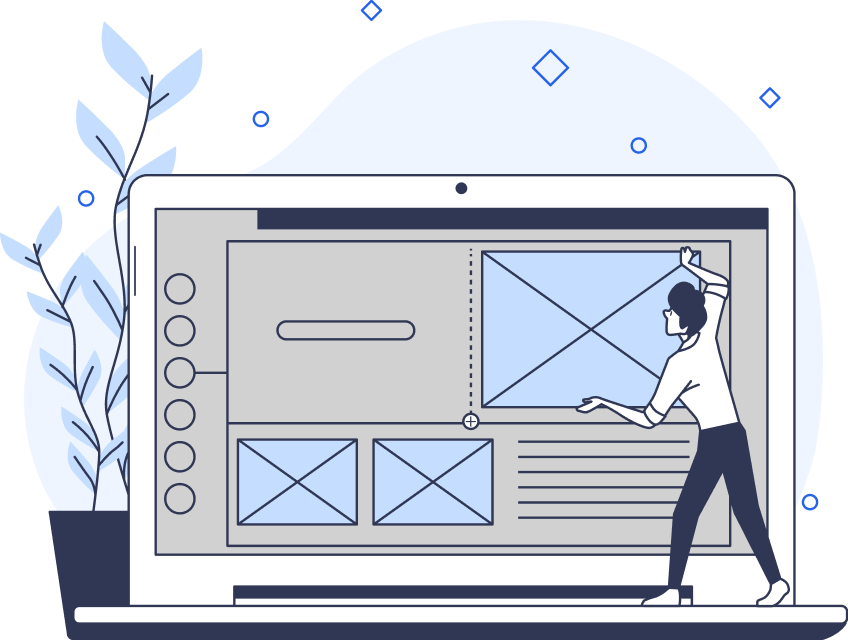
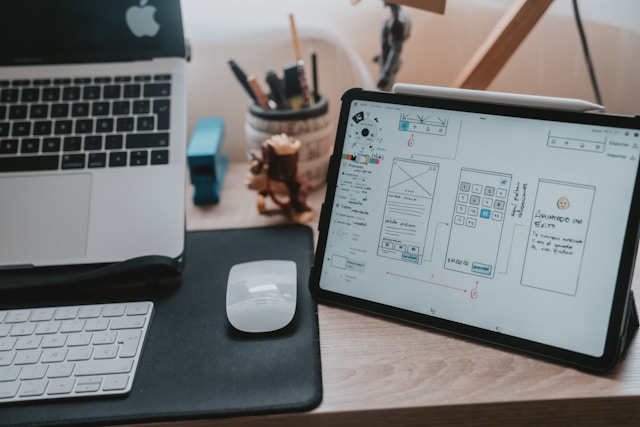
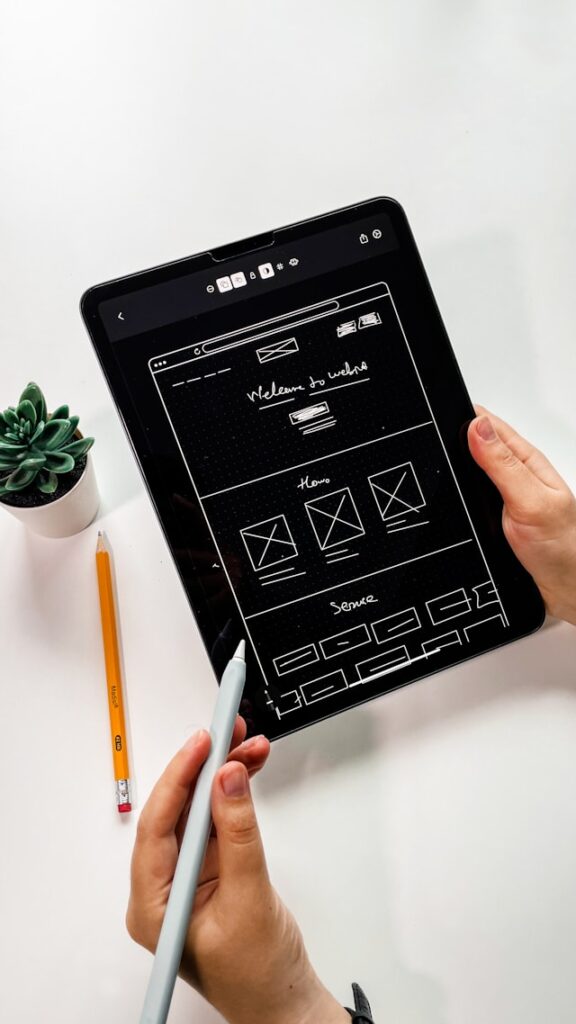
The arrangement of all the components of the website, app, or other digital product is known as the skeleton. This element of UX design includes UX wireframing, which gives an overview of how the app or website will look.
The wireframe is also referred to as page architecture or a page schematic. It serves as the foundation for your design, guiding the overall layout and structure.
5. Surface
The visual design of the website also has an important part to play in relation to the user experience. The colors, font type, and text used helps with organization of content and navigation.
What’s the Difference Between UX and UI?
Well, despite sounding the same, they are different. UX or user experience deals with the user’s or customers’ interaction with the company, its services, or its products.
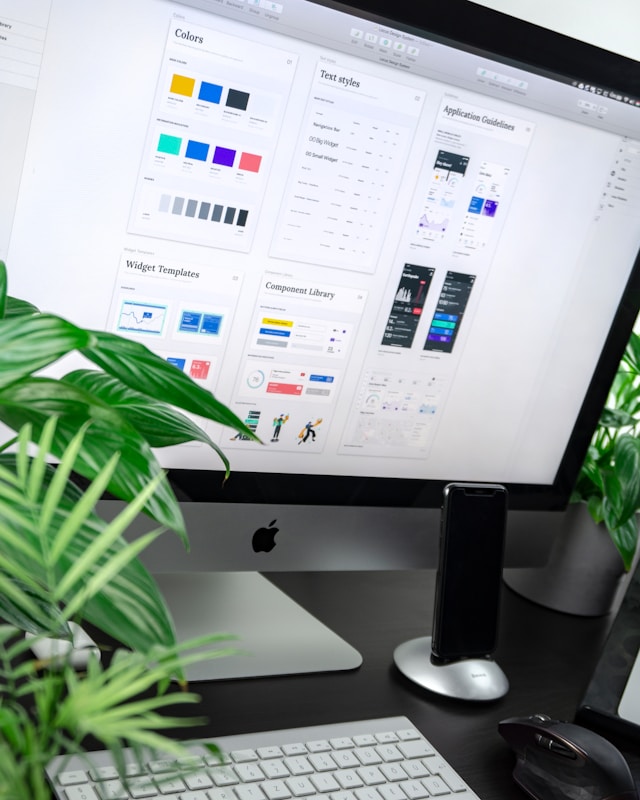
User interface or UI concerns the look and feel of a website. The website’s or digital product’s appearance, sounds, style, and responsiveness all come under the UI umbrella. UI is responsible for elements such as navigational search bars and slide bars, container menus, and input controls like checkboxes.
There are blurred boundaries between the two, especially regarding the appearance of the digital product. If in doubt, remember that user experience relates to how a user feels when they interact with a product. Whereas, user interface refers to the interactive elements a person uses to engage with a digital product.

Why Are User Experience Design Projects Important?
If your business goals are to be a step ahead of the competition, user experience is worth thinking about. User experience design projects are geared toward addressing the user’s needs. If your target audience enjoys using your digital product then this will likely lead to increased sales and repeat custom.
Implementing successful UX design within your app or website can also help build upon your brand’s reputation. Ease of use, from shopping cart to checkout, helps to forge a better relationship with the customer, earning their trust.
Moreover, UX designers can troubleshoot any issues they may come across concerning the user’s experience. The website or app then becomes more enjoyable for your customer to use and an asset to your business.

How Do I Define the Target Audience for a UX Project?
Defining the target audience for a UX project is one of the first things to consider. The project planning and subsequent stages will all be based on you getting to know your target audience better.
Having a clear understanding of your target users will help you to create a more responsive digital product. When your target audience uses your product the desired outcome is that their expectations are fulfilled and needs met. This can only be achieved through defining your target audience through user research.
Gain a better understanding of your target audience by:
- User research: Gather insights via interviews, surveys, and testing to understand your users’ behaviors and attitudes toward the digital product.
- Data analysis: Use the information you have collected to identify behavior patterns and similarities among your target audience.
- User personas: From the data analysis, you can then form user personas. These persona profiles include demographics, professions, goals, motivating factors, and needs. By forming user personas the UX team can see things clearer from the target users’ perspectives.

What Are the Key Phases of a UX Design Project?
Following a framework will ensure that work will be delivered on time and to a high-quality level. UX design is no different and can be approached by covering three key stages.
Research
The research stage is all about information gathering. The foundations of successful UX design are laid here. By using UX research tools, a tailor-made plan can be created. UX design does not involve a one-size-fits-all approach, so the research stage is essential.
Design
Once the research has been carried out, it’s time to start the UX design process. The design stage deals with how the features and functionality of the digital product will fit together. This stage takes the theoretical into practice and explores how the website or app will act.
Test and Validation
Following the design stage, the digital product will need to be tested before its launch. Testing your website or app using usability testing methods may identify problems with the user experience. You can then go back and reassess any issues, to create a close to perfect product.
How To Create a User Experience Design Project Plan
With an understanding of what UX design entails, you can begin planning your UX project. Here are the considerations to bear in mind when creating your user experience project plan.
Outline Objectives
As part of the scope, it is essential that objectives of your UX design project are clearly outlined. Consider the principal problems you are trying to solve. Also, have your target audience at the forefront of your mind when outlining objectives. Thorough research into your user personas will help to form your objectives.
Set Out a Timeline
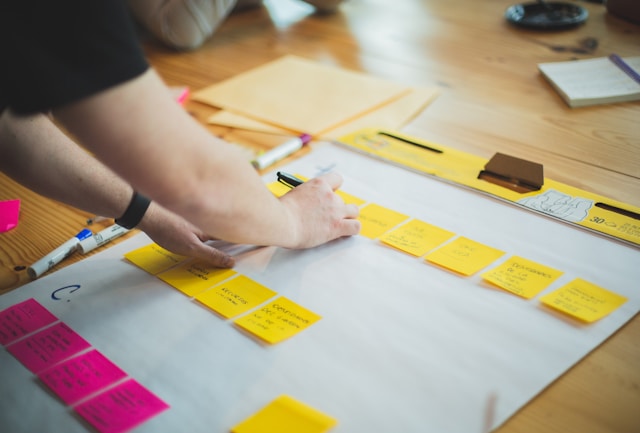
Lay out a roadmap of the project, establishing key milestones to encourage momentum and focus among the team. When considering deadlines, think about potential issues that may pop up and allow for contingencies. A timeline is also a useful way of tracking progress, which makes achievements measurable.
Ensure Clear Communication
Sharing your project plan and timeline with your team allows everyone to be kept in the loop. Regular updates and realistically outlining project deadlines can help to meet expectations. Project management software are useful tools in this instance, enabling easy tracking and clear communication between all parties.
Reevaluate and Adjust
It is expected that you may need to reevaluate and adjust your timeline as your project evolves. Passing through each stage of the process, there may be some tasks that require more time than first estimated.
Problems will inevitably arise during these phases and will require varying amounts of time to troubleshoot. Flexibility in these situations is key to allowing time for adjustments to be made without sacrificing quality.
Top Tips To Improve UX Design
Here are our top tips to improve your UX design in your next project.
Use a Simple Design
Aim for a simple design, as a complex design can overwhelm users. By keeping it simple you can ensure that your digital product is easy to navigate.
Optimize Website Performance
The danger with websites that take ages to load is that they can result in high bounce rates. By compressing images, minification of code, and using caching techniques, a website can be effectively optimized to reduce user frustration.
Keep Your Design Mobile Friendly
An increasing amount of people now browse the web on their mobile devices. With this in mind, your website must offer an excellent user experience across different screen sizes.
Ensure Good Accessibility
Product accessibility in UX is essential as it means that your website can be used by all. Ensure that you are aware of the relevant accessibility guidelines. From providing caption text for images to offering keyboard navigation, there are many ways to improve website accessibility.
Do User Research
As we’ve mentioned, conducting thorough user research into your target audience can help to form your objectives. Get to know what their needs and goals are and utilize this data to inform the user experience design.
Create Clear and Easy Navigation
Create a simple and intuitive navigation structure to help users easily find what they need. Simplifying the user’s journey through your website or app can lead to increased sales and overall improved customer satisfaction.
Add Quality Content
Aim to provide relevant and high-quality content with your user’s interests and needs in mind. Incorporate images, videos, and other engaging elements to attract attention and stand out from the competition. Offering these extras can make your content more appealing to potential clients.
Instill Trust and Credibility
Providing social proof through customer reviews, ratings, and testimonials can help build trust between you and your users. Showcasing these social proof elements on your website can help convince potential users to choose your products or services.
Offer a User-Friendly Checkout
A smooth and snag-free checkout process can mean the difference between lots of sales or none at all. Keeping the process simple by reducing steps and offering a guest checkout option ensures a straightforward user experience.
Test and Test Again
Be sure to assess your website’s usability by testing it out on real users. Try tools like A/B testing to identify issues and highlight where the user experience could be further improved.
By actioning these top tips, you can create a positive user experience that keeps your target audience happy.
FAQ
What is an example of user experience design?
User experience design is all around us. From the car-sharing apps we rely on such as Uber, to Netflix and other media streaming services we use. The ease with which we interact with these digital products is all down to the expertly handled UX design.
What is a UX project brief?
A user experience project brief outlines the essential elements to be included in order to meet the user’s expectations. A project brief also sets objectives and details deadlines for the team to follow.
Does UX design require coding?
A basic understanding of coding is always helpful when approaching a UX project. However, knowing how to code is optional. Coding knowledge is useful when collaborating with other team members, such as developers.

Elevate Your User Experience Design Projects With Page Flows
The most successful user experience design projects are those that prioritize user needs. By also focusing on intuitive design that considers the business goals, the project objectives are met. This can only be achieved by completing the necessary steps. From user research through to design and testing. A UX project plan that incorporates all these elements enhances user experience and is a valuable asset to the business.
If you’re seeking inspiration for user experience design projects, look no further than successful products. Page Flows is a valuable resource that highlights the best UX websites out there. Explore our expanding library of user flow recordings and stay in the loop with the latest design trends.
The most successful user experience design projects are those that prioritize user needs. By also focusing on intuitive design that considers the business goals, the project objectives are met. This can only be achieved by completing the necessary steps. From user research through to design and testing. A UX project plan that incorporates all these elements enhances user experience and is a valuable asset to the business.
If you’re seeking inspiration for user experience design projects, look no further than successful products. Page Flows is a valuable resource that highlights the best UX websites out there. Explore our expanding library of user flow recordings and stay in the loop with the latest design trends.