Anyone who wants to learn a new discipline or embark on a new career has to start somewhere. If you’re someone who wants to learn graphic design, the place you’ll start is right here.
In today’s guide, we’ll reveal what you need to do to learn graphic design in the most effective way possible. Best of all, we’ll not just focus on what beginners need to learn. If you’re an experienced designer, we’ll touch on what you need to take your skills to the next level, too!

Understanding the Basics: How To Learn Graphic Design
If you’re new to the graphic design industry, you’ll need to start with the basics and leverage some guidance. We’re here to provide that guidance; below, you’ll discover the fundamentals of graphic design that every proficient graphic designer knows.
1. Understanding the Principles of Design
Like how UX/UI designers follow design principles, graphic designers also have their own principles that they need to follow.
By following these principles, you will ensure that your work is consistent, functional, and visually engaging. So, we recommend learning as much as you can about the following principles:
- Contrast: The manner in which you’ll differentiate certain design elements to guide the user’s attention
- Balance: The equal distribution of visual weight across all of your design elements
- Rhythm: The repetition of specific design elements that create a sense of order
- Alignment: The way in which your design elements line up with one another
- Visual Hierarchy: The manner in which you’ll emphasize certain design elements over others to communicate their importance
- Proportion: The size and scale of your design elements in relation to one another
- Space: The way you’ll strike the right balance between positive and negative space in your design’s composition
- Proximity: The manner in which you’ll group elements together to indicate their relation to one another
- Accessibility: The way in which you’ll make your designs easy to use and enjoyable for users with cognitive/physical impairments
2. Learning the Crucial Graphic Design Elements
You know of the essential graphic design principles; you now need to know about the elements you’ll apply them to. Regardless of which subsector of graphic design you gravitate toward, you’ll use the following design elements to enhance user engagement:
- Color: In graphic design, you’ll not just focus on aesthetically pleasing colors. Your hiring manager will expect you to know about different color schemes/palettes and their impact on the user experience. We recommend going one step further by looking into color psychology.
- Lines: We don’t need to tell you that a line connects two otherwise separate points. But in graphic design, lines can help convey different moods, divide segments, and organize your design. You need to know about the different types of lines and their characteristics.
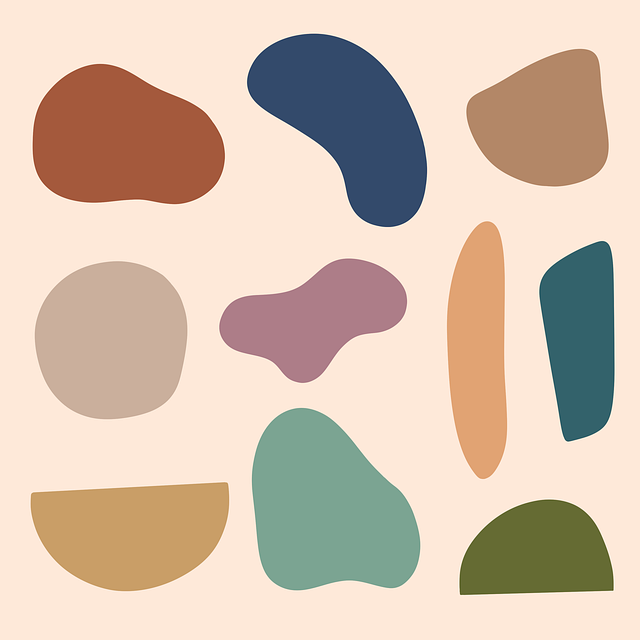
- Shapes: There are many different types of shapes in graphic design, including geometric and organic shapes. You don’t just need to know how to utilize these shapes. You need to know how these shapes can influence the users’ perception of your designs.
- Texture: Texture is the illusion of the tactile sensations that users perceive your designs to display. For instance, depending on your use of imagery, shadow, and light, you could create “rough” or “smooth” designs.
- Typography: Typography relates to the design and style of your letterforms. To create appealing typographic elements, you need to know about things like kernings, stroke widths, and baselines.
- Value: Value is simply the level of lightness and darkness that your design elements exude. The value of your design elements will significantly impact your overall design’s contrast and depth.
- Volume: Volume refers to any design element that displays width, length, and depth to create a three-dimensional illusion. Given that 3D graphics are incredibly popular in 2024, knowing how to create volume is a must-have competency.
3. Practicing With Graphic Design Software
A graphic designer’s knowledge of their toolbox can either make or break the quality of their designs. For that reason, we recommend experimenting with the most popular modern graphic design tools.
For starters, you should become comfortable with Adobe Photoshop, which is invaluable to every graphic design. With Adobe Photoshop, you can perfect every pixel, having the freedom to create, modify, and enhance your visuals.
You should also invest in Adobe Illustrator, which will enable you to bring your vector graphics and illustrations to life. In addition to the tools within the Adobe family, you should practice using tools like Figma, Sketch, and Canva.
4. Leveraging Affordable Resources
Even if you prefer the self-taught approach to learning graphic design, you can benefit considerably from leveraging educational resources.
That’s not to say you need to study an expensive graphic design degree. In fact, having a traditional college degree isn’t a requirement to become a professional graphic designer.
If you prefer, you can always expand your knowledge base with online resources like video tutorials, podcasts, and blogs. Of course, you can always rely on old-school books, too.
For instance, Graphic Design School: The Principles and Practice of Graphic Design is an excellent read for beginners. Alternatively, if you prefer to learn by watching videos, we suggest you peruse the videos on Satori Graphics’s YouTube channel.
Another option you have is to enroll in beginner-friendly graphic design courses. Best of all, there are dozens out there for you to choose from!
Learning graphic design with courses like Udemy’s The Complete Graphic Design Theory for Beginners Course will always prove valuable!
Beginner to Pro: Learning Advanced Graphic Design
Knowing the basics of graphic design is a great start, but you’re not quite at the end of your journey. If you want to become a talented professional, you’ll need to delve into the advanced aspects of graphic design.
Like before, you’ll find out what you should learn in order to level up your graphic design skills below.
1. Exploring UX and Brand Strategy
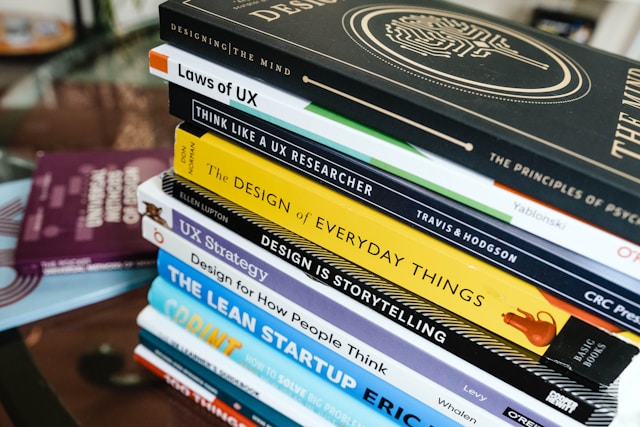
As someone who wants to learn to design graphics professionally, you need to know how to combine multiple disciplines. Specifically, you need to know the ins and outs of UX design.
UX design focuses on understanding a target user base and their needs, desires, frustrations, behaviors, preferences, and expectations. By knowing their users, UX designers can create meaningful products and superior user experiences.
So, when graphic designers incorporate UX design principles in their work, their designs evolve beyond pleasing aesthetics and functionality. They become an integral part of a user’s enjoyment of a product, which is what clients want to see.
Speaking of clients, the clients that hire you will expect you to bring their brands’ personalities to life. This means that you’ll also need to understand branding strategies. Understanding branding strategies will help you communicate a cohesive, resonant brand identity to your client’s target demographics.
2. Finding Your Specialisms
At this stage in your educational journey, you’ll know that there are many different types of graphic design subsectors. A professional graphic designer will typically focus on either one or multiple subsectors to discover and refine their specialisms.
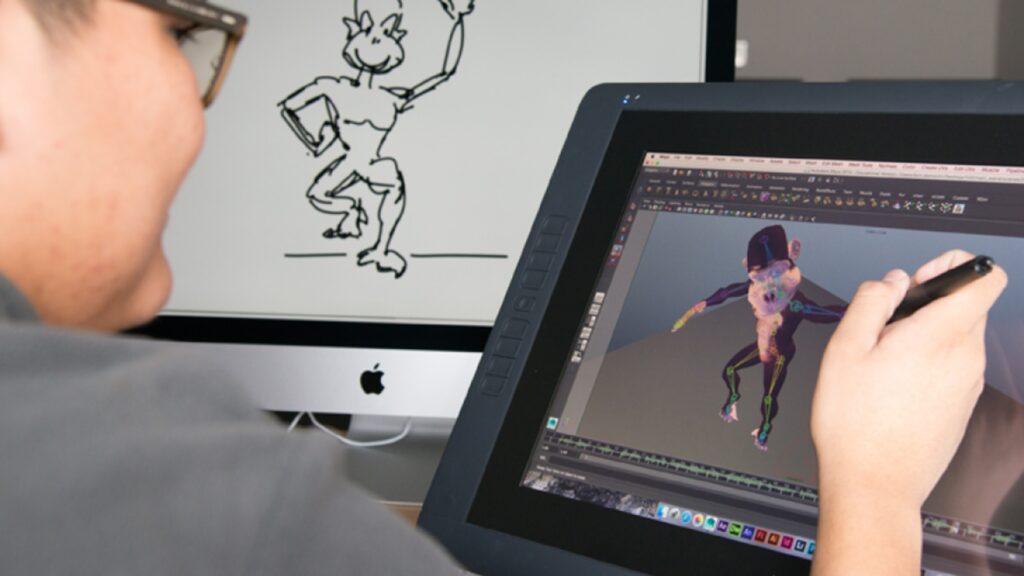
We recommend that you do the same. So, let’s say your specialism was in motion graphics and animation. Your focus would then be on things like storytelling, 3D design, and animation principles like squash and stretch, and staging.
Ultimately, delving deeper into the intricacies of your specialism will transform you from a beginner to a professional designer.

3. Learning the Business Aspects of Graphic Design
Taking your skills to the next level doesn’t just mean focusing on your design knowledge. It also means that you need to familiarize yourself with the business side of graphic design.
On the one hand, you need to refine your client communication skills to establish positive relationships with your clients. Client communication encompasses more than face-to-face communication; it also revolves around emails, invoices, and design briefs.
You also need to research pricing strategies so you know how much to charge clients for your work. It’s never going to be a bad idea for a graphic designer to learn how to create professional contracts, either.
To master these behind-the-scenes aspects of graphic design, we recommend reading The Graphic Design Business Book.

4. Building Your Brand
Advanced graphic designers will always have a professional portfolio that showcases their designs and the creative processes behind them.
Your portfolio should serve as a curation of your best and most diverse projects. It should also demonstrate your ability to bridge the gap between a target user base’s needs and your client’s goals. It’s this presentation of your skills that will help you attain more clients and build a reputable brand.
Establishing your brand doesn’t end there, however. You also need to learn how to build a professional website and deepen your understanding of social media marketing.
Nowadays, social media can enhance every business, exposing them to millions of potential new followers and, in turn, customers. For that reason, we suggest that you listen to the Social Media Marketing Podcast with Michael Stelzner.
How To Learn Graphic Design Online: Best Practices
To help you learn graphic design online in a way that maximizes your potential, we’ve assembled some top tips below.
- Evaluate your strengths and weaknesses to determine which areas of graphic design you should devote the most time to.
- Set yourself clear, feasible goals that will incentivize your progression.
- Ask yourself what type of graphic designer you’d like to be.
- Select the courses you’ll study by evaluating their content, reviews, flexibility, costs, duration periods, and certifications.
- Master one design tool before experimenting with another.
- Join online graphic design communities like the Graphic Design Forum to seek out valuable advice, feedback, and mentorship.
- Analyze other graphic designers’ work.
- Participate in graphic design competitions and challenges like The Daily Logo Challenge.
- Keep up to date with modern graphic design trends like 3D surrealism, experimental typography, and AI-generated art.
- Learn and practice continuously.
- Be patient with yourself; no one becomes a professional graphic designer overnight.
FAQs
How can I learn graphic design?
You can learn graphic design by doing a number of different things, including the following:
– Learning about the fundamental graphic design principles and skills
– Studying online graphic design courses
– Practicing with popular graphic design tools
– Seeking out a mentor
– Keeping up to date with modern graphic design trends
How can I start learning graphic design on my own?
If you prefer to teach yourself graphic design, you can always leverage resources like books, podcasts, video tutorials, and blogs.
Is graphic design hard to learn?
Many people don’t think that graphic design is a hard discipline to learn. That said, if you aren’t creative, lack dedication, or don’t know much about art and design, you may struggle considerably.
Learn Graphic Design Your Way With the Resources of Page Flows
Now, you know how to learn graphic design! As you begin your educative journey, you’ll undoubtedly need some inspirational resources, especially if you intend to design for clients. Luckily, you’ll have Page Flows in your corner to provide such resources.
Page Flows is where you’ll find a generous abundance of high-quality, versatile screenshots and recordings that detail must-have user flows. From onboarding to providing feedback, our resources cover everything you need to master intuitive in-product navigation.
You’ll be able to take inspiration from your go-to brands and industries. Spanning website builders to social networking platforms, you’ll never lack the perfect inspiration.
Best of all, we collect emails when we document our flows, so you know precisely how to communicate with users. Just as we can help you learn graphic design, we can also help you learn how to build superior products. Go to Page Flows now to learn how professional graphic designers bring their user-focused flows to life!