

Across the web, you’ll find graphic designers famous for a wide range of skills, techniques, and final outcomes. From engaging book covers to iconic logos, every innovative design has a proficient graphic designer behind it.
If you’re just finding your footing in the world of graphic design, learning from famous graphic designers is essential.
That’s why, in today’s guide, we’ll discuss the most brilliant minds within the modern graphic design industry. To inspire you further, we’ll also reveal how you can become an immensely successful designer!

Meeting Your Heroes: The Most Influential Designers
First things first, let’s discuss the talented designers behind some of the most impactful contemporary designs of the modern era.
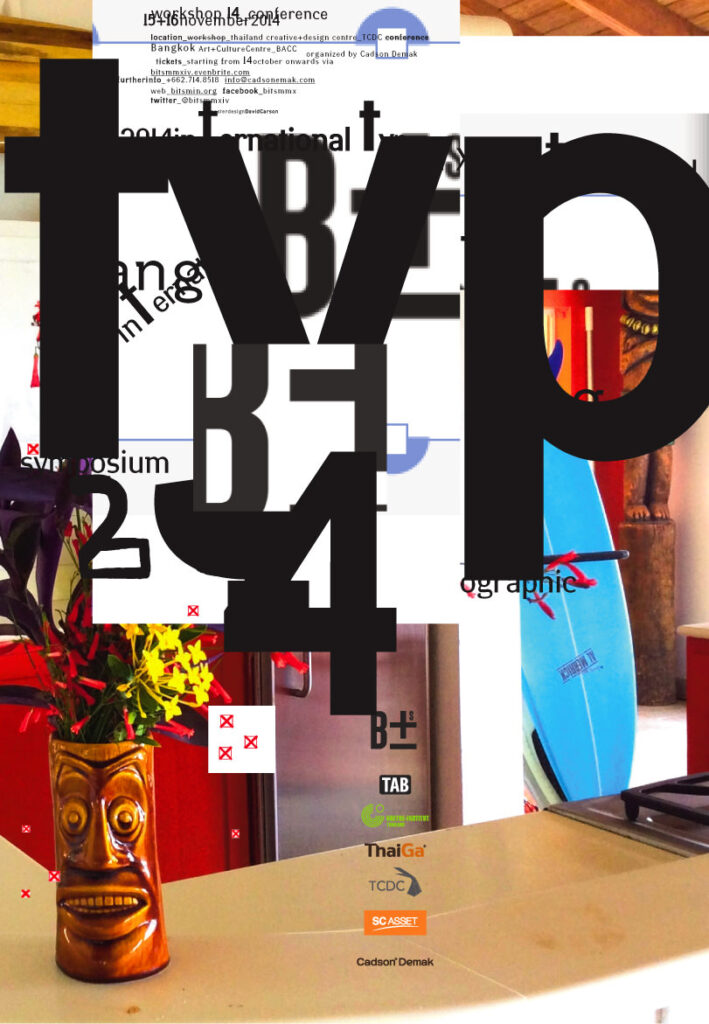
David Carson
David Carson is a famous graphic designer whose work brought about a significant change in the 90s’ graphic design scene.
From his apt moniker, the “Godfather of Grunge,” you know Carson celebrates unconventional approaches to graphic design. You only need to look at his experimental typography, overlapping textures, and almost anti-design-style layouts to know this as fact. Ultimately, Carson’s work shook the foundations of suitable legibility in favor of expressive visual language, garnering both praise and criticism.
His groundbreaking work for magazines like Beach Culture and Ray Gun led him to big-name clients like Nike and Microsoft. With over 230 awards under his belt, David Carson changed the way graphic designers approach visual composition.
The key takeaway is that you should never be afraid to unleash your creativity with your visual elements. Know that the way you arrange your digital designs can have just as big an impact as your design’s content.
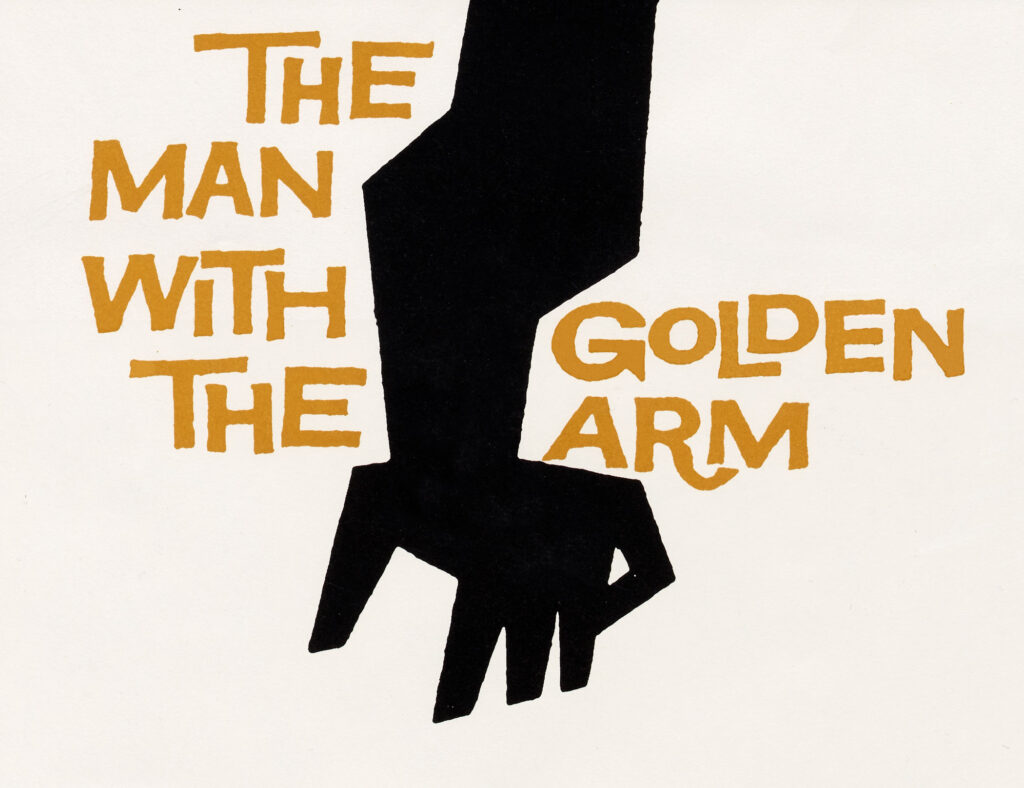
Saul Bass
Of course, we can’t talk about famous graphic design without talking about the “Picasso of commercial artists.”
Saul Bass had an impressive 50-year career as a graphic designer, creating everything from advertising campaigns to album covers. Most notably, however, he lent his talents to the world of cinema with his captivating motion-picture title sequence designs. Title sequences were nothing more than static, unengaging credits before Bass noticed an opportunity for immersion.
Bass believed that the first frame of a film was the true opening of its narrative. For that reason, in Bass’s mind, a film’s title sequence should foretell the mood and themes of its overarching plot. This belief would see Saul Bass work with legendary filmmakers like Alfred Hitchcock, Stanley Kubrick, and Martin Scorsese.
Take inspiration from Bass’s understanding of the importance of the users’ (or viewers’) first impression of your work. The first time users experience your designs, they should understand its style, mood, and theme. Above all, know that every element, even the ones you deem as minor, contributes to the user’s experience.

Chip Kidd
Chip Kidd is an award-winning graphic designer who excels at book cover design. You may recognize some of his work, such as the iconic book cover designs for Jurassic Park and Imperial Bedrooms.
As an aspiring graphic designer, you should take note of Kidd’s incredible versatility and consistent, high-quality designs. His works rarely share the same style because he prioritizes the content of the books he designs above all else.
Take Jurassic Park as an example. The story is a sci-fi thriller that comprises genetically engineered dinosaurs that pose terrifying threats to the protagonists.
Kidd’s minimalist designs reflect this, showcasing nothing but a T-Rex’s skeleton, which, of course, symbolizes death. The lack of visual elements elevates the fear of the unknown, which reflects the unknown consequences of meddling with science.
It’s not surprising that clients like Amazon, Grove Press, and HarperCollins wanted to work with Chip Kidd. To garner a similarly impressive client list, you should emulate Kidd’s principles – ensure your designs reflect your product’s content.
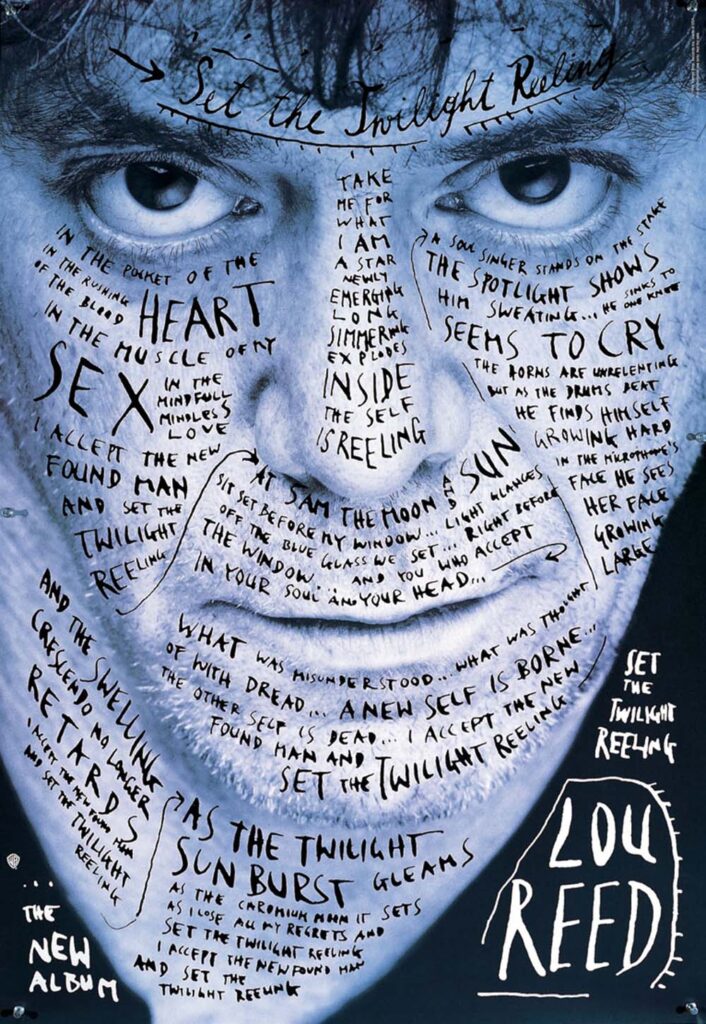
Stefan Sagmeister
Another lover of the experimental approach, Stefan Sagmeister, is a provocative graphic designer and co-founder of the design firm Sagmeister & Walsh.
Taking inspiration from Sagmeister’s work means embracing the power of giving unorthodox themes a platform. His work often contains humor, controversy, sexuality, and intriguing takes on abstract concepts like beauty.
From posters to album covers to exhibitions, Sagmeister is also an extremely talented typographer who celebrates expressive, grungy typefaces.
By looking at Sagmeister’s work, you can appreciate the power of pushing boundaries and embracing unconventional designs. After all, graphic design is all about relaying thought-provoking messages to the viewer.
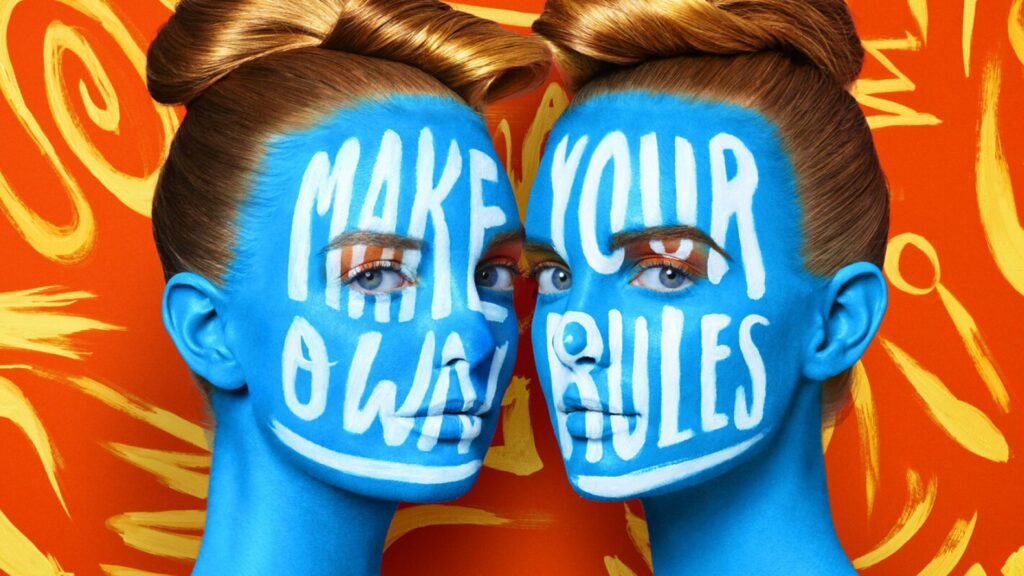
Jessica Walsh
Jessica Walsh is the other half of the Sagmeister & Walsh design firm and celebrates vibrant, expressive designs. You can’t categorize Walsh’s designs into one style, which is what makes her work so captivating.
She excels at blending innovative design elements and trends into collage-like, surrealist artworks. Jessica Walsh is all about fun experimentation, frequently combining handcraft with digital design.
This is what makes her inspirational to novice graphic designers; she doesn’t contend with the boundaries of the digital landscape.
Adopting the Right Mindset: How To Be a Famous Graphic Designer
If you want to learn how to be a famous graphic designer, you need to start thinking like one. It’s easier than you might think; just follow our recommendations below!
1. Seeking Out Inspiration
Graphic, web, and UI designers all seek out sources of inspiration to fuel their creativity. Thankfully, inspiration is all around you. From other designers’ styles to modern design trends, you’ll never lack innovative designs to inspire your own.
You can find inspiration beyond the screen in nature, art galleries, and museums. The forms and shadows of the buildings you pass every day can even spark your creativity.
Best of all, inspiration doesn’t have to be strictly visual. History, culture, literature, inclusivity, and even your own personal interests can inspire the theme of your designs. The main thing is that you always keep an eye out for your next muse.
2. Thinking Beyond Aesthetics
It’s easy to lose sight of your design’s purpose when looking at aesthetic sources of inspiration. However, the common denominator between the graphic designers we discussed earlier is that their work communicates strong ideas.
By prioritizing your design’s core idea, you’ll ensure that your designs communicate it clearly and effectively. Ask yourself the following questions:
- What message do I want this design to communicate?
- What does this specific visual element contribute to my design’s idea?
- Could another visual element communicate it more effectively?
Asking questions like this will help you stay on track while you experiment with different styles and trends.
3. Knowing Your Audience
Unless you’re creating designs for yourself, you’ll have an audience or user base that your designs will reach. So, we recommend adopting the mindset of a UX designer who strives to build user-centric products.
Conduct rigorous user research to familiarize yourself with your users’ expectations, preferences, and desires. With this knowledge, you can tailor your designs to their needs more effectively and achieve user empathy.
After all, you need to understand your users’ emotions if you want your designs to evoke the right ones.

4. Studying the Fundamentals
The famous designers you admire don’t just rely on their creativity to produce exceptional work. To excel in any profession, you need to study its fundamental principles.
For budding graphic designers, this means learning everything you can about color theory and psychology, typography elements, and visual identities. It also means familiarizing yourself with accessibility practices, intuitive navigation, balance, rhythm, and visual hierarchy.
We recommend looking into UI design principles, especially since the principles of graphic and UI design are the same.
5. Leaving Your Comfort Zone
There’s a lot to learn from styles or trends you wouldn’t gravitate toward naturally.
For instance, if you gel with grungy anti-designs, you may not see the value in minimalism. But by looking at minimalist designs, you can learn how white space, clean lines, and monochromatic color schemes improve UX. You never know; you may even think of a way to combine two styles that would never usually go together.
Celebrating different styles is a great way to establish your uniqueness and will make you a more versatile graphic designer.
6. Embracing Collaboration
As Gary Keller says, no one succeeds alone. What you should take away from this is that collaborating and learning from others is crucial to your success.
Don’t limit your collaborations to only graphic designers either; work with artists, musicians, writers, and other creatives. Garnering new perspectives and insights is a great way to inspire and enhance your work.

7. Being True to Yourself
Think back to Stefan Seigmeister’s design style; it’s unabashedly, unapologetically authentic. This is largely what makes his work so thought-provoking and memorable.
In other words, don’t be afraid to let your personality shine through your designs. This will add a personal touch to your work that your users will resonate with.
How To Become a Famous Graphic Designer: 7 Ways To Achieve Stardom
There is no standardized way of becoming a famous designer. That said, this doesn’t mean there aren’t steps you can take to further your career.
Below, we’ve discussed these steps to help you learn how to become a famous graphic designer in time.
1. Building Your Skills
Researching graphic design principles is a great way to start building your graphic design skills, but you shouldn’t stop there.
Consider enrolling in a degree in graphic design or UI design. You could even expand your knowledge base by leveraging educational resources like books, YouTube tutorials, podcasts, and blogs. We recommend looking for graphic design courses on online learning sites like Skillshare, Udemy, and MasterClass.
Tip: Allocate some time to become familiar with popular graphic design tools like Figma.
2. Creating Your Portfolio
For many beginners, it’s unlikely that you’ll attract clients straight away, which can make creating portfolios difficult. That said, if you spend some time working on personal projects, you can easily build a respectable portfolio.
When you create your portfolio, remember to explain the creative processes behind your designs. You should also detail the rationale behind your design decisions and your resolutions to any obstacles you face. Make sure to include your research, high-quality imagery, wireframes, and even infographics.
This will emphasize your ability to demonstrate user-centricity, problem-solving competencies, and creativity.
3. Establishing Connections
Participate in graphic design communities, workshops, and events to make yourself visible. Sharing insights and issues with fellow designers will increase the likelihood of building meaningful relationships with them.
The more connections you have, the likelier it will be that you uncover valuable opportunities for professional development.

4. Leveraging Social Media
Social media is a powerful tool for every creative, including you. That’s why you should try to build a strong online presence on platforms like Behance and Instagram.
You should not only post your work regularly, but you should engage with your followers to communicate your brand’s personality. You can even engage with design prompts or participate in competitions, which will only expand your follower base.
5. Getting Down to Business
Graphic design isn’t just about design. It’s about the business behind graphic design. For that reason, you should look into effective communication and pricing strategies, as well as project management tools.
Knowing how to communicate with clients, manage your time, and select fair pricing models emphasizes your professionalism.
Tip: Seek out legal advice when you’re creating contracts for the first time.
6. Securing Clients
With a strong following and knowledge base behind you, you’re ready to secure your first clients. We recommend looking for clients on freelance job websites like Freelancer.
We also advise that you seek out reputable brands and clients where possible. By doing so, you’ll reinforce your credibility as a professional graphic designer.

7. Learning Continuously
Becoming a famous graphic designer isn’t going to happen overnight, so you need to maintain your eagerness to learn. This way, you’ll always stay up-to-date on the latest trends and technologies.
With time and dedication, you’ll become a reputable graphic designer with whom users resonate and whom clients actively seek out.
FAQs
Who are some famous graphic designers?
Some famous graphic designers you may recognize are David Carson, Saul Bass, and Sagmeister & Walsh (Stefan Sagmeister and Jessica Walsh).
Who is the world’s most famous graphic designer?
Many consider Saul Bass to be the most famous graphic designer, especially for his logo designs. If you’ve ever seen the Kleenex, AT&T, and Quaker Oats logos, you are already familiar with Bass’s work.
Who is Nike’s graphic designer?
American graphic designer Carolyn Davidson is responsible for designing the “swoosh,” which we now commonly associate with Nike’s brand.
Famous Graphic Designers: You Can Become One With the Help of Page Flows
Learning from the best of the best is a great way to tap into your own creativity and uniqueness. While nothing can guarantee fame, hard work and dedication to your viewer’s/user’s experience will definitely contribute to your success.
Understanding what excellent user navigation looks like is a great way to start dedicating yourself to your users’ experience. For that, you’ll need Page Flows.
Page Flows is the home of thousands upon thousands of valuable resources, including detailed recordings and screenshots. In our recordings and screenshots, you’ll find must-have user flows, including onboarding, sharing, and general browsing.
What’s more, our flows span dozens of thriving brands and industries, like finance and fitness. Simply put, the only thing to rival our flows’ quality is their versatility.
From the user flows we document, you’ll learn what it looks like when users can intuitively navigate a product. Like the famous graphic designers we discussed, you can always find a source of inspiration in Page Flows.
Go to Page Flows now to learn what top-of-the-line user flows look like!