“Consultant” is always a bit of a tricky role to pin down. It covers a vast range of industries and job roles, and that includes technology. When it comes to user experience (UX) design, consulting is an important role for a lot of companies. In fact, UX consulting is highly valuable for non-UX-focused companies that need an expert eye. But what does a user experience consultant actually do?
Basically, any company dealing with digital products can use a UX consultant. So, if you work in UX, it could be a great career opportunity. Read our post below to learn more about this job role, its responsibilities, and benefits.

What Is a UX Consultant?
The first thing you need to know is what a consultant is. These are people who provide expert advice professionally. They may be self-employed or work for a firm, and they are usually specialists in very specific fields. They provide services to other companies or entities outside their own business.
So, what is a UX consultant? Essentially, they are a UXer who offers these services. They may, however, work internally in the company, dealing with strategy and product management. They’re not involved in hands-on UX tasks, but they are a deep part of the UX design process.

What Does a UX Consultant Do? 10 Key Responsibilities
At the core, these professionals make sure users have a great experience when they use a digital product. This could be a website, app, or piece of software.
But let’s explore the question, “What does a UX consultant do?” in more detail by looking at the different responsibilities of such a job role.
1. Researches Competitors
Before they begin designing, UX consultants conduct thorough research. This includes competitor analysis, which examines how users interact with similar products.
When they have an in-depth understanding of the current industry and what your competitors are doing, they can design better. They understand what your users want from a product. But they also know what they don’t like about other products that are already available.
Armed with this knowledge, a consultant can better create a product that serves your users and your business.
2. Designs a Website’s Architecture
Often, these professionals are responsible for a website’s information architecture. This is a key stage of product design, and it plays an important role in how users will navigate an app or website.
Consultants will establish a clear structure that’s easy for visitors to use. As UX experts, they understand things like mental models and Gestalt principles, which means they can group information logically.
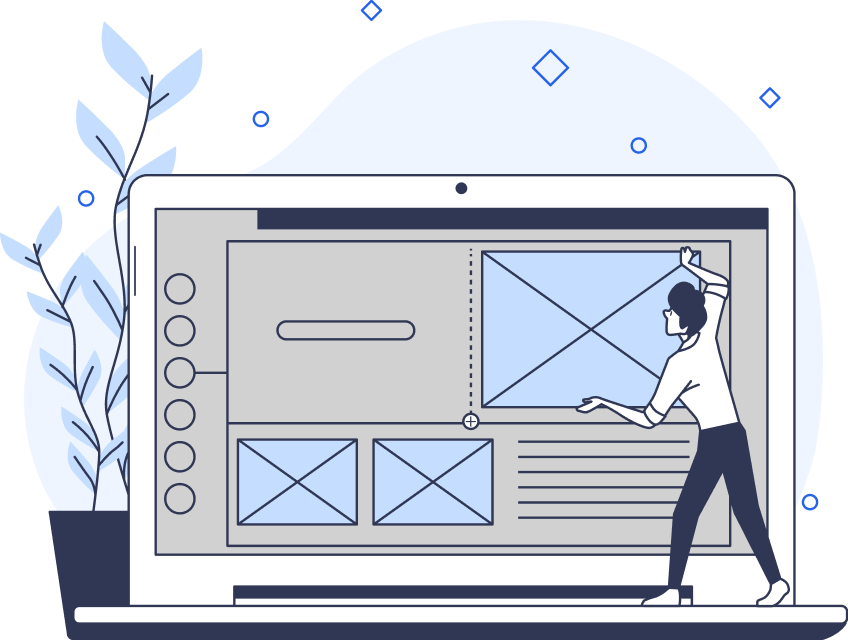
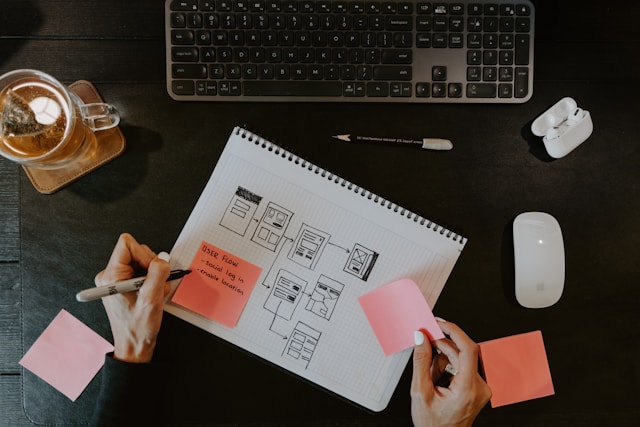
3. Creates Wireframes
Before you even create a digital product, you need wireframes and prototypes. Consultants are adept at creating these wireframes to show how different pages will look and link together.
Often, they have skills covering software like Figma and Adobe, and they are highly knowledgeable about UX/UI principles. This allows them to create an amazing UX design that users will love.

4. Tests Prototypes
Similarly, consultants can create prototypes that help the developers fulfill their vision. Compared to wireframes, prototypes are more interactive and closer to the final product.
Testing prototypes is essential. They can help you identify a problem before you waste money building and launching the full product. Luckily, a consultant can help you test these prototypes with stakeholders and users.
They are skilled at user testing, and this is important to make sure the tests yield the right results.
5. Conducts Usability Tests
The only way to know how good a product is is through usability testing. With prototypes and beyond, consultants work with users to find out how the product functions in the wild. They may conduct surveys, interviews, contextual inquiries, and more to dive deep into the product.
Then, they use this information to make recommendations based on the results. This professional is really useful for companies who already have digital products they’re looking to improve.
6. Writes Reports
Alongside usability testing, consultants also write reports. These summarize the findings from research and tests, providing details on the problems and potential solutions.
These reports are incredibly useful for stakeholders, especially those who may not work in UX themselves. It helps them understand what problems exist and which ones to prioritize. They can outline a clear summary of the problem and even its impact on users.
By the way, a good consultant can make their reports really easy to understand and digest.
7. Identifies Problems
Consultants identify problems in several ways. This includes user testing, of course, but it also covers looking at the analytical data. They uncover potential usability issues by looking at heatmaps and other user behaviors.
They may also compare this data with the business’s goals. If there are large discrepancies, they can provide recommendations for bridging this gap.
The idea is to create a product that serves the business, too. So, this data gets to the bottom of issues that users themselves might not even be aware of. In the end, this increases the return on investment (ROI) and improves usability.
8. Creates Design Specifications
For new designs, consultants can help to guide a team. Based on the information they gather during research and testing, they can create a design spec to use going forward. This spec should focus on improving user experience while also working toward business goals.
The specification may cover:
- A description of what users expect
- The number of options available on each screen
- An outline of what the user sees first
It can be simple guidance, like a brand style guide or a more detailed document.
9. Provides Feedback
Throughout the process, consultants don’t really work on the design tasks. However, they might have some oversight over the process to guide the team and provide feedback.
This ensures that the end product always aligns with the goals laid out at the beginning of the project. Consultants with expertise in human-centered design can provide valuable input into the product’s usability.
They might spot potential usability issues as time goes on or make tweaks and adjustments to the design. This prevents costly errors and re-designs later on.
10. Communicates With Clients
Finally, consultants excel at communication. They often have to communicate with stakeholders, clients, developers, and designers. It’s their job to try to get everybody on the same page.
In UX, it’s really important to ensure that stakeholders understand what is happening with the project. However, without experience in UX, this can sometimes be challenging. Consultants should understand what a client wants from their website. They can turn this into a great user experience.
It’s all about balance, but that’s what consultants are good at!
Benefits of Hiring a UX Consultant
So, what do companies actually get out of hiring a UX consultant? Here are some potential benefits:
- Improving your process: A consultant can hone your process. As a result, they can help you foster growth with the right UX.
- Creating better user experiences: Your users are important. A consultant can help you nail the UX and create an amazing experience that fosters brand loyalty.
- Discovering new opportunities: They also focus on the bigger picture. As a third party, they might spot opportunities for growth that you haven’t seen.
- Saving resources: Although hiring a consultant costs money, it can pay off. Consultants can help you streamline your resources and expenditures.
- Increasing ROI: By improving UX and saving resources, they can improve your return on investment.
- Enhancing UX maturity: Consultants can also ensure that your company is on the same page by collaborating with stakeholders.
You can’t really see the value of these professionals until you hire one. If you have digital products, even just a website, it’s worth looking into.

UX Consultant vs. UX Designer
Companies have two choices when they’re looking to improve UX. They could hire a UX designer (or a team of designers, depending on the budget) to work in-house. Or, they could go the UX consultancy route. This could be by hiring a freelancer or a consulting firm.
So, what’s the difference?
UX consultants play a recommendatory role. They research and present their findings and help to guide the designers. However, they don’t focus on task fulfillment themselves like UX designers. So, if you want to hire consultants, you’ll also need designers who do the legwork.
Moreover, their salary is approximately $ 101K-165K per year, according to Glassdoor. So, this is something to consider if you’re thinking about hiring a consultant.

How To Find the Right UX Consulting Services
With the cost of hiring a consultant, it’s important to find the right one. You can use this list of questions to find a freelancer or firm that will be suitable for your company:
- Have they worked on a problem or product similar to yours?
- Do they work in a similar industry?
- Do they have a good track record of satisfied clients?
- Do they work with companies of similar sizes?
- Does their approach fit your company culture?
- What specific expertise do they have?
- Are they up-to-date with the latest design trends?
- Do you get on well with them?
- Is the agency responsive and communicative?
- Do they follow a set process?
- Do they offer post-launch support and maintenance?
With all that in mind, you can look to find a consultant that’s the right fit. It’s absolutely essential that they fit into your company culture and work style. After all, this is someone who works closely with your team and has a lot of say over your processes.
Master Your UX With Page Flows
UX consulting is one way to improve your user experience design. However, it’s not the only way. Do you want to learn more about UX/UI and take your users’ digital experience to new heights? You need Page Flows.
Our library of interaction design ideas and user flows is perfect for providing inspiration. Plus, our resources library will tell you everything you need to know about UX and the latest design trends. Get started today to access our growing library and master your UX.