























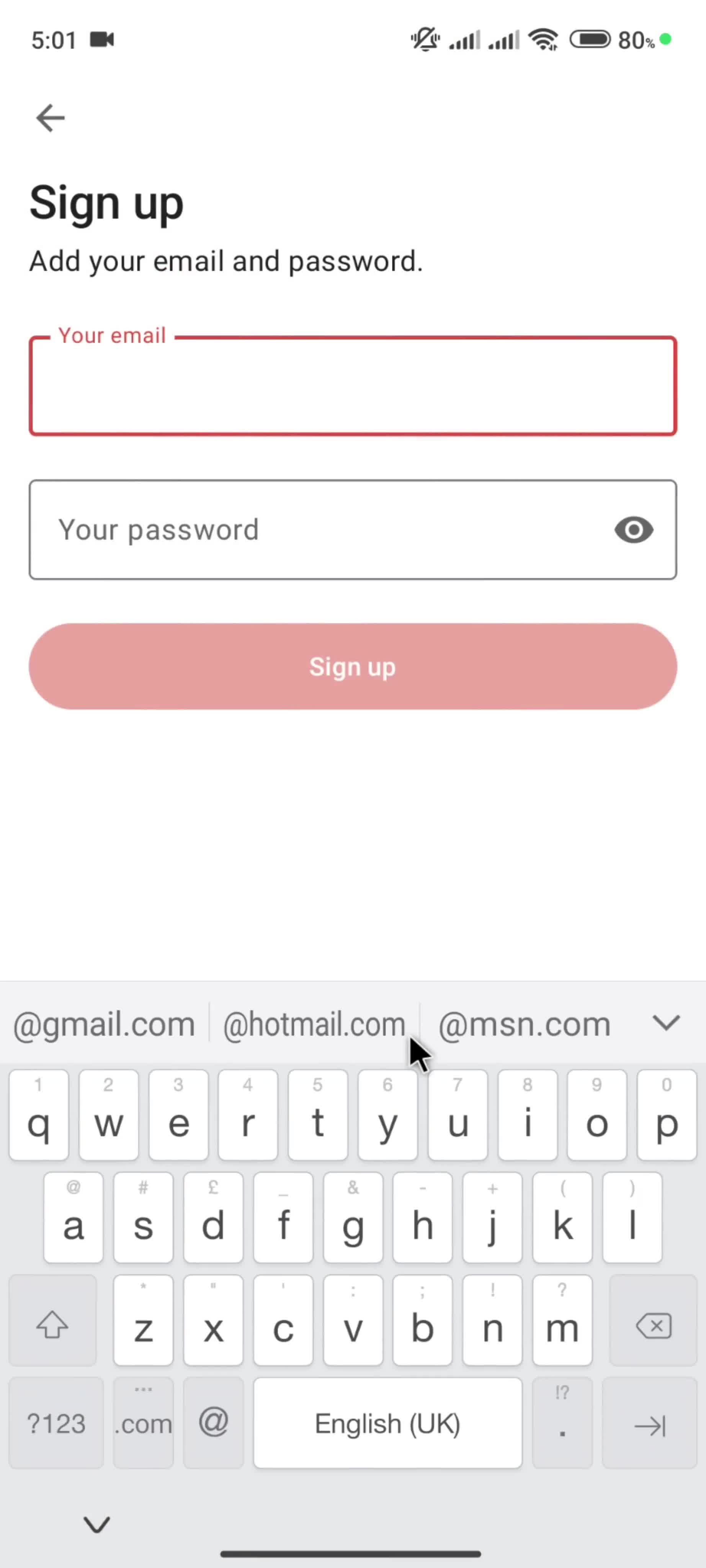
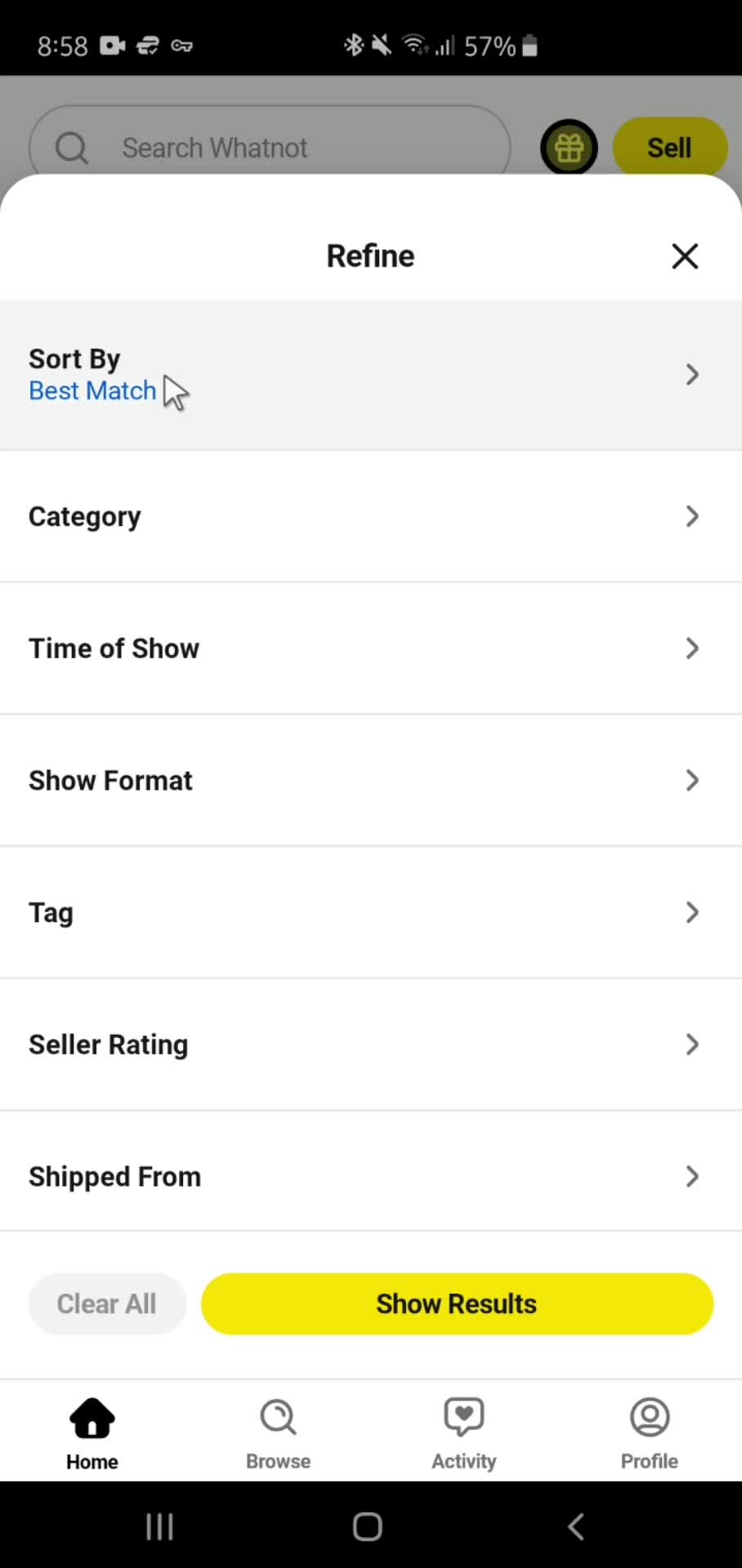
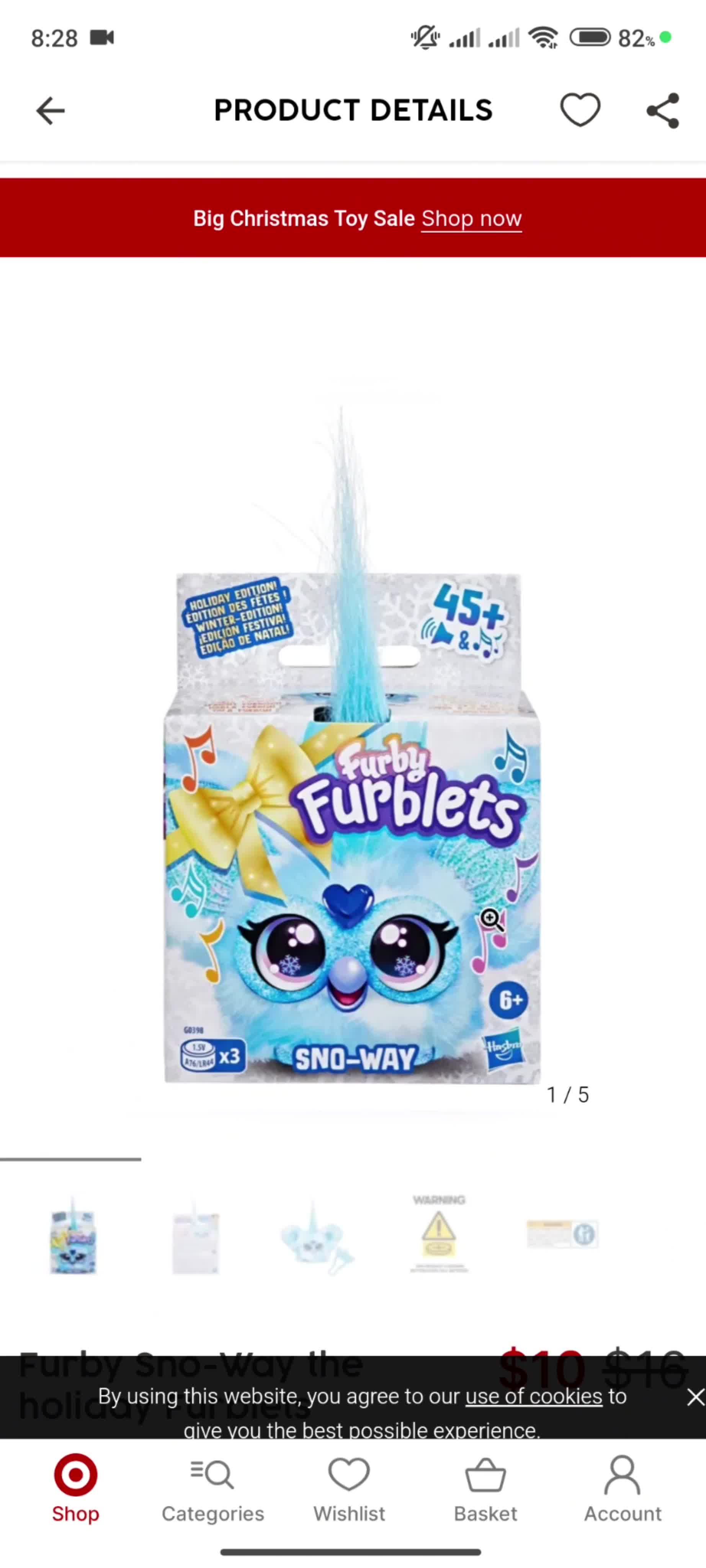
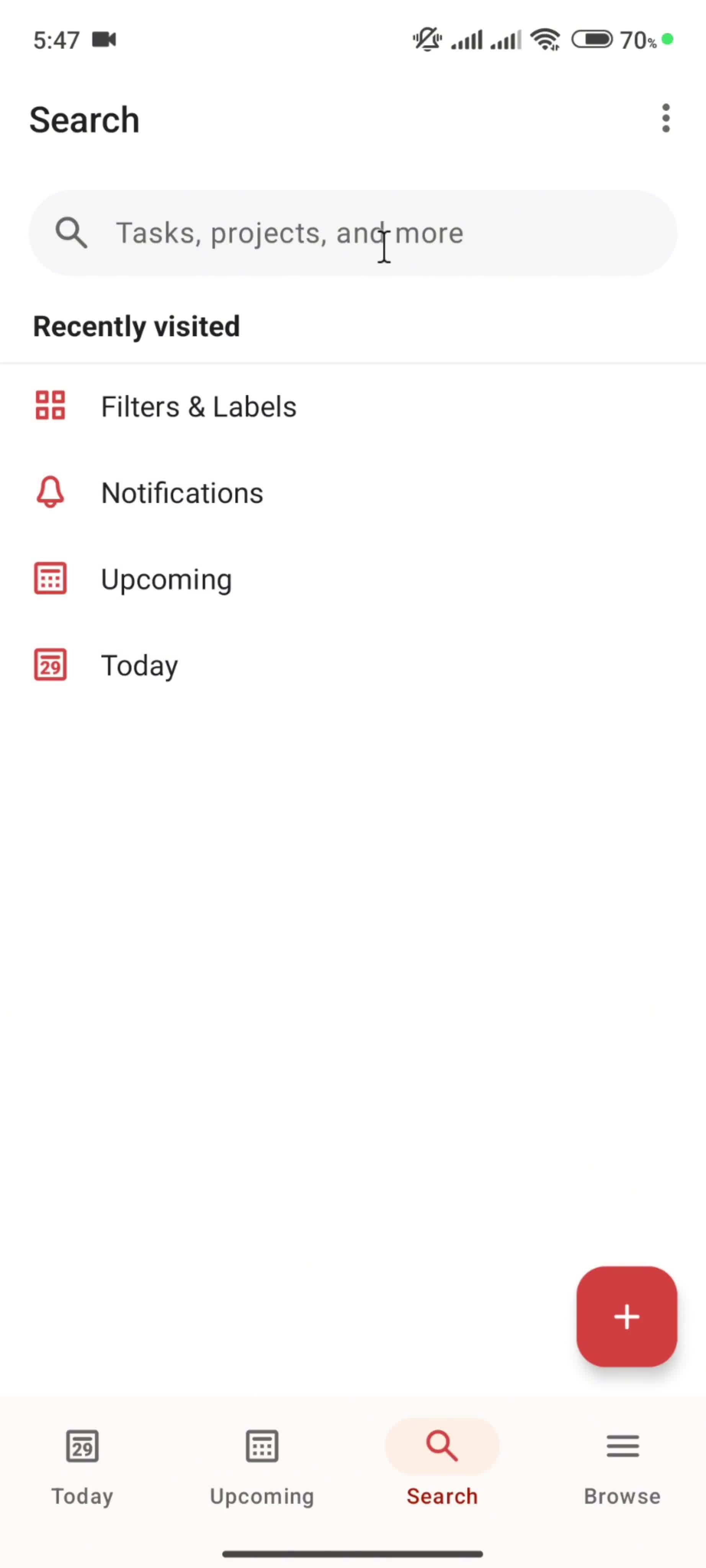





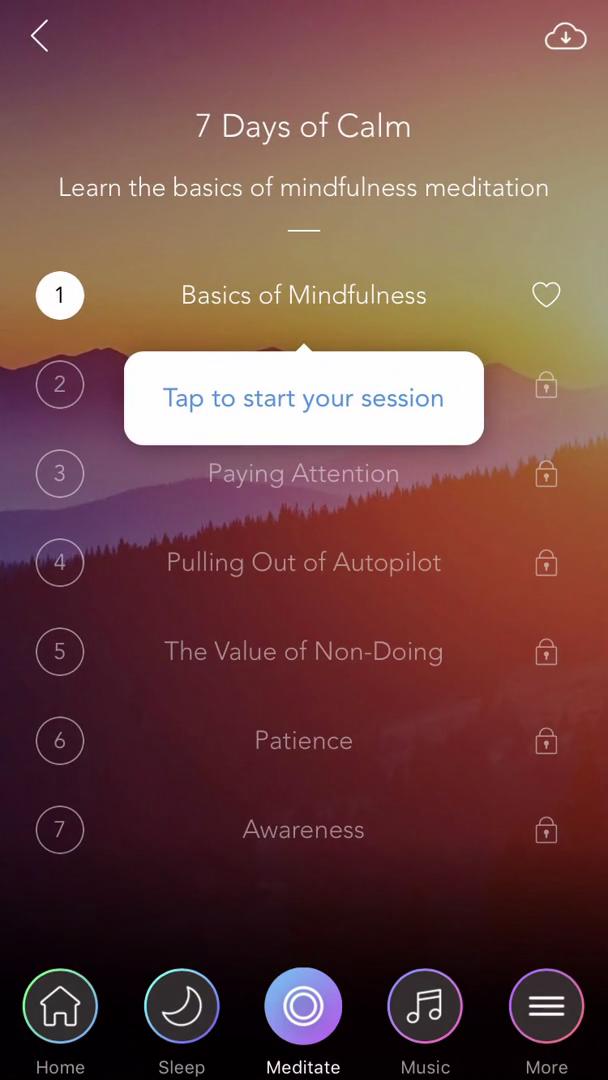
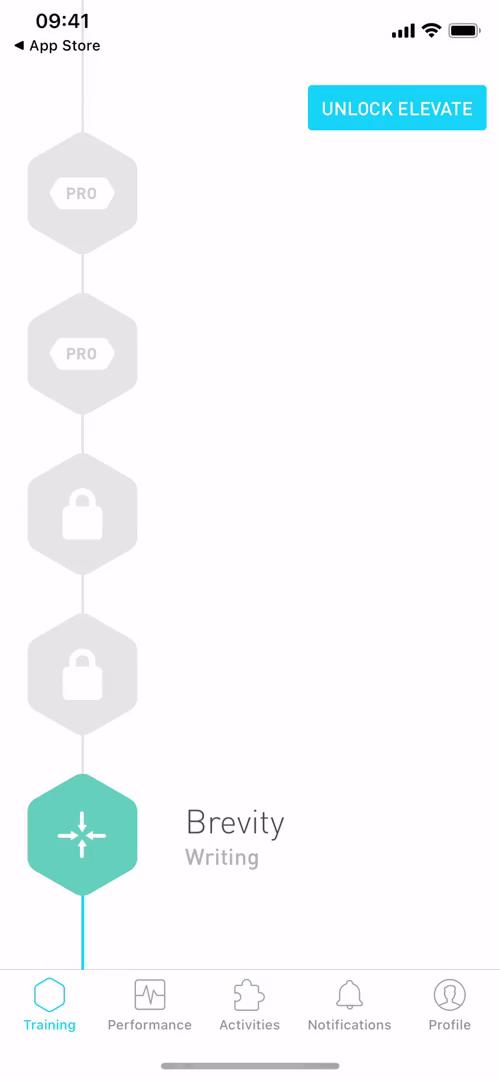

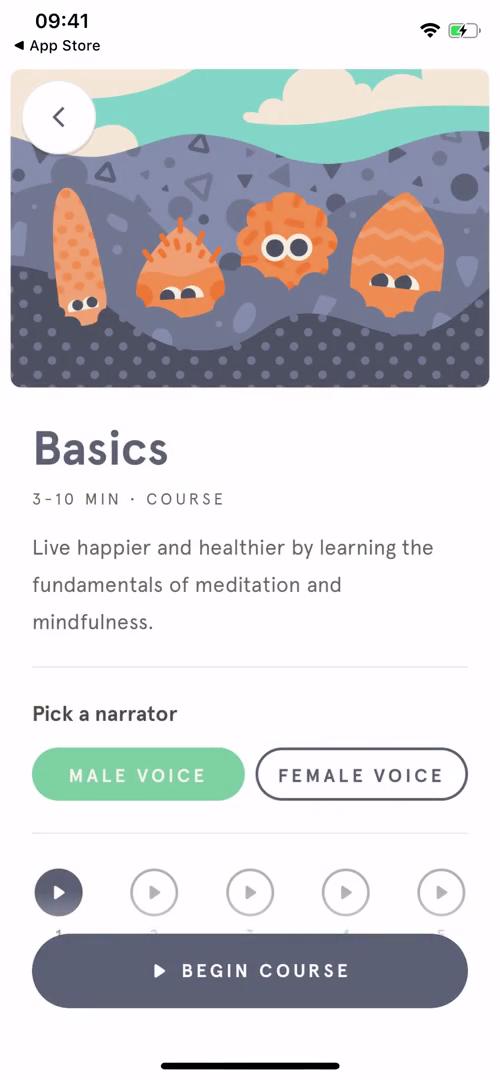

The iOS Playlist in Real App Interfaces
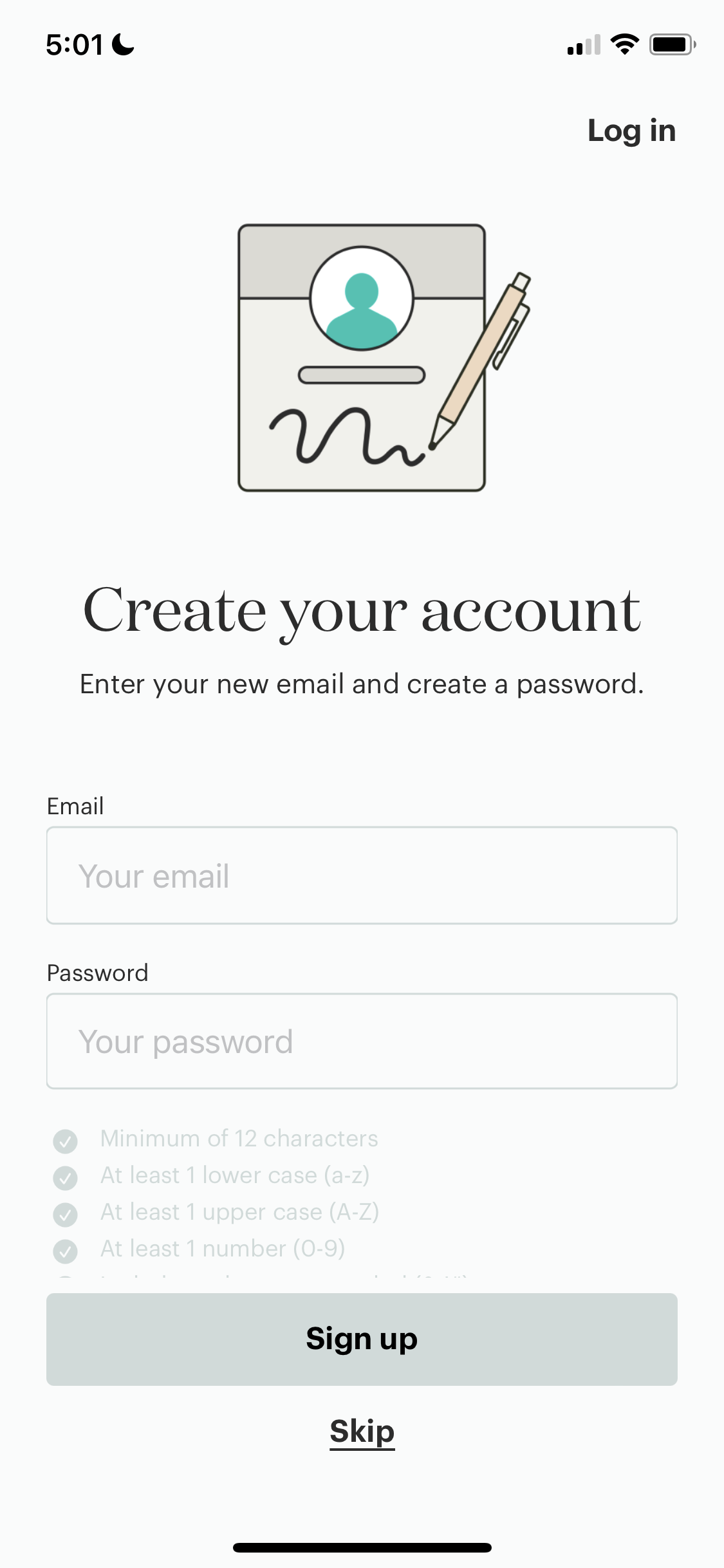
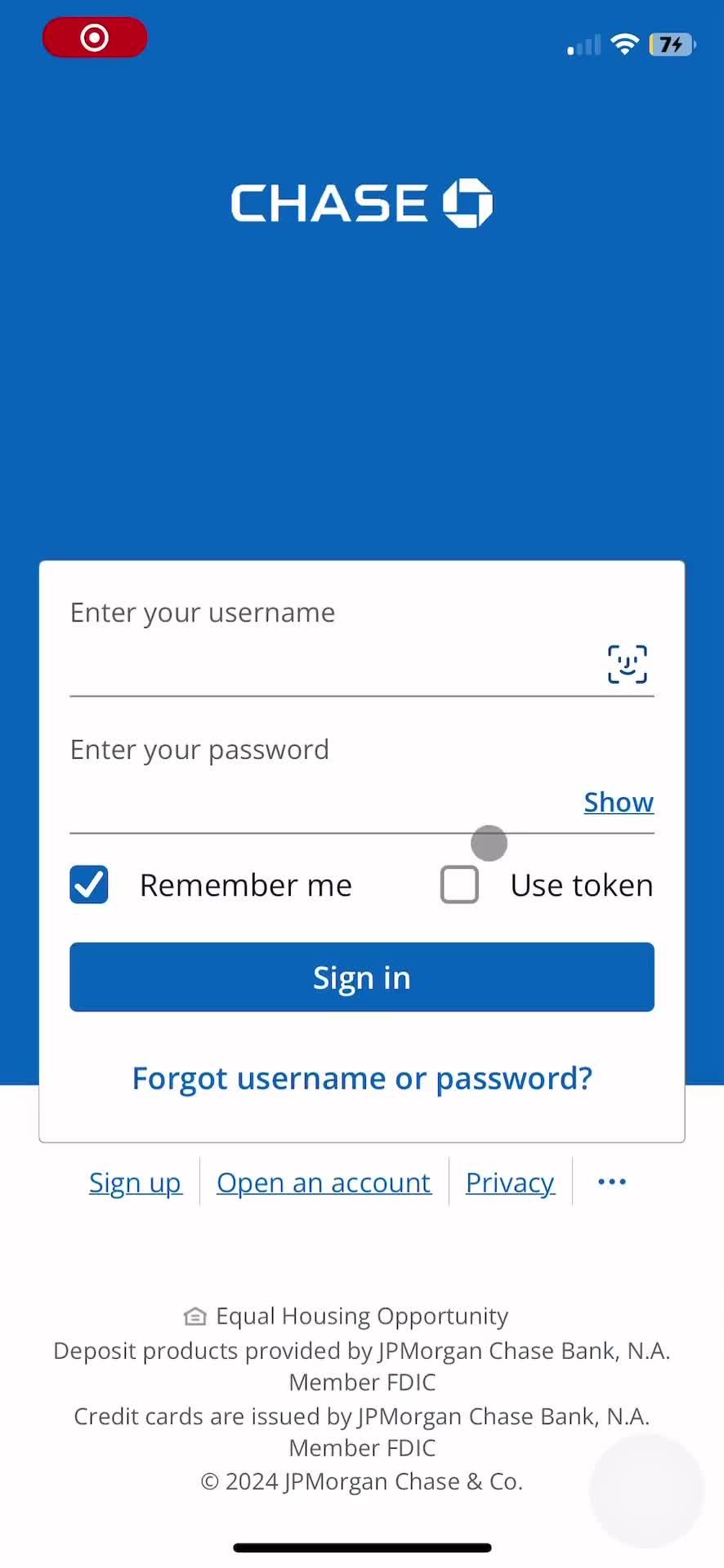
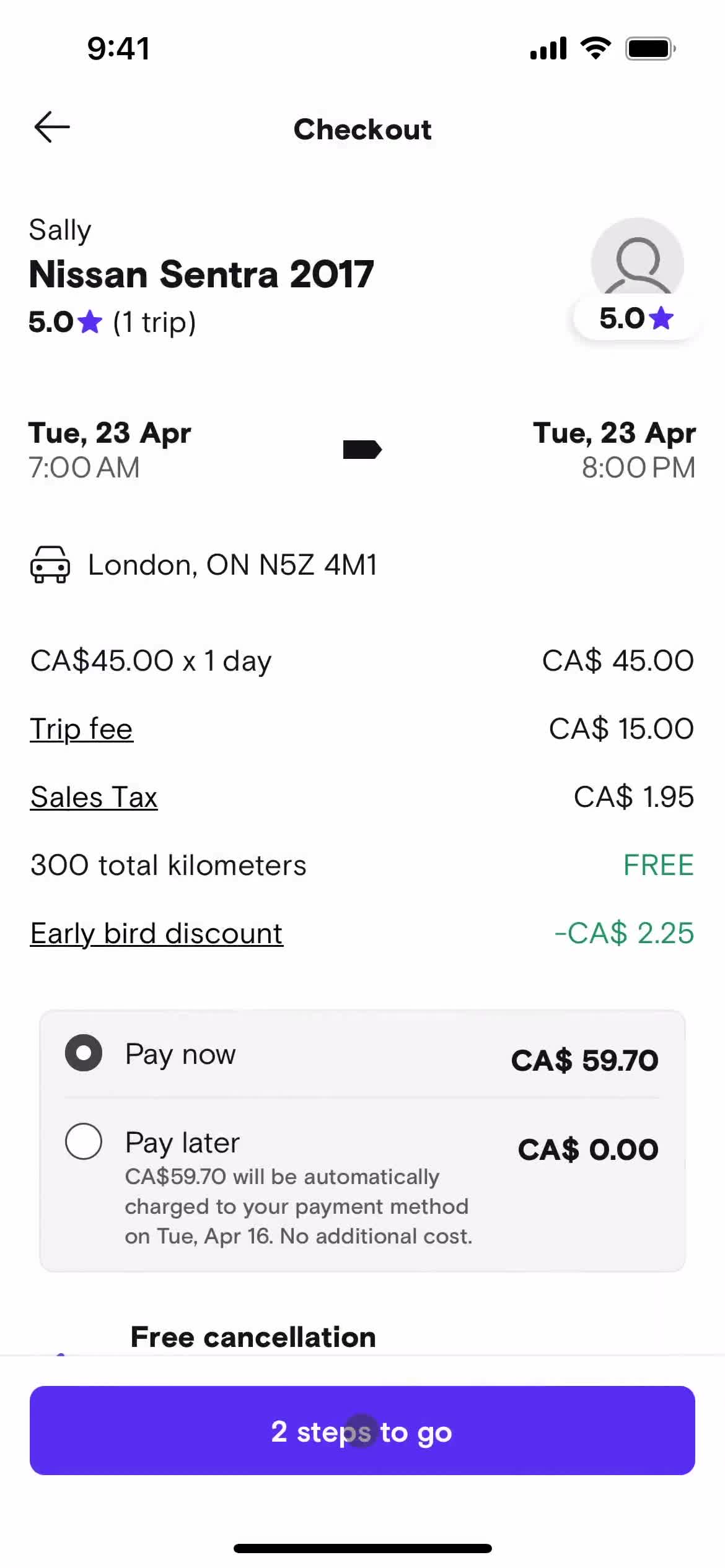
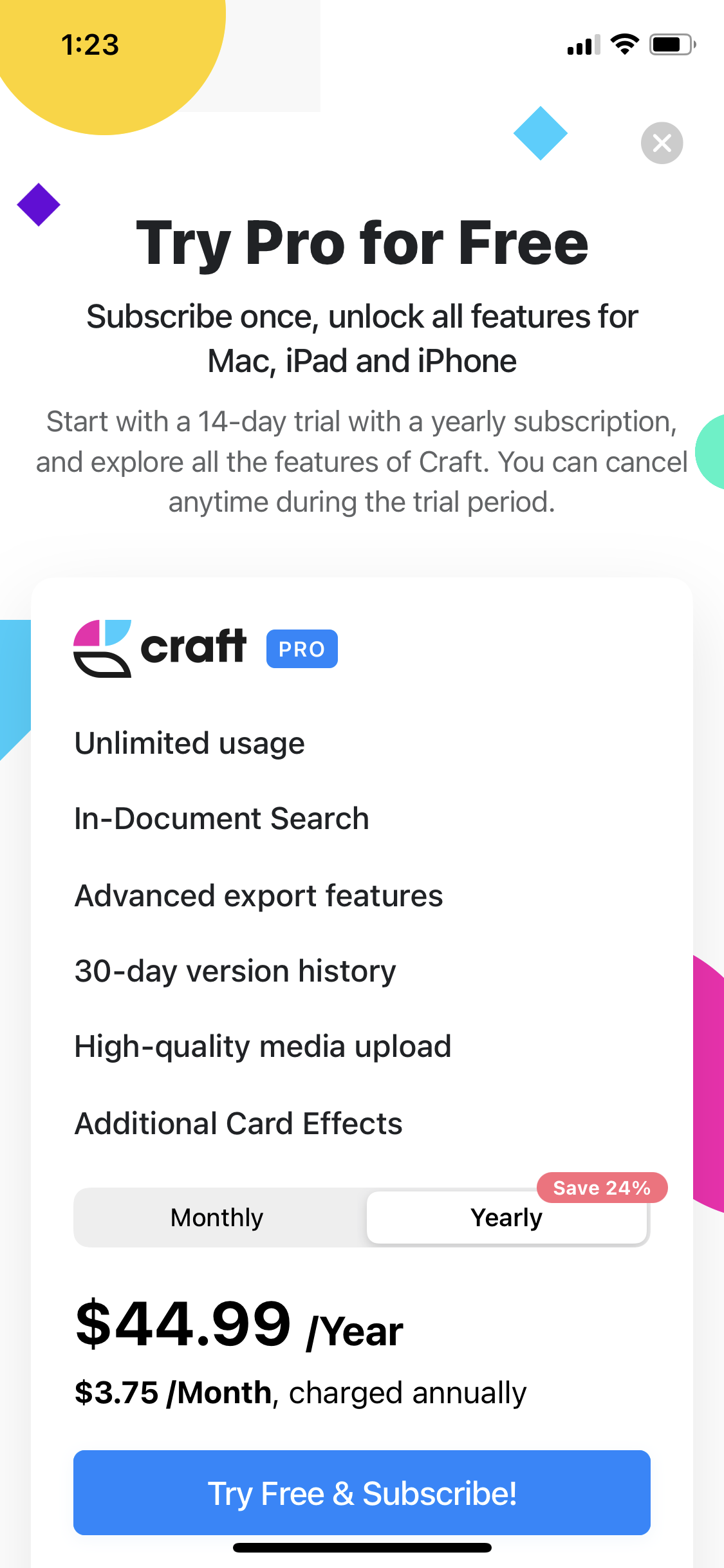
The Playlist is one of iOS design's most important building blocks, and how an app implements it often defines how polished the whole experience feels. On this page you'll find every documented example of Playlist from the Page Flows iOS library, captured inside the actual user flows they belong to.
Why Seeing Playlist in Context Matters
Studying Playlist in context matters — you'll see when it's triggered, how it's styled, what content it contains, and how it exits. These details rarely show up in isolated component libraries, but they're what separates good Playlist implementations from ones that feel clunky or out of place.
Browse Playlist Patterns by Brand
Browse by brand to study a specific app's approach, or scan across examples to build a mental library of Playlist patterns you can draw from when designing your own interface.
Frequently Asked Questions
What counts as a Playlist in the iOS library?
The Playlist category includes every documented instance of this component across the library, from classic iOS implementations to custom variants used by leading apps.
Are Playlist examples shown alone or in context?
Always in context. Each example is tagged inside a full user flow, so you can see exactly when Playlist appears, what triggers it, and how users interact with it.
How do I find Playlist examples from specific brands?
Each example is tagged with its brand, so you can filter or search for Playlist implementations from the apps most relevant to your work.
Can I find iOS Playlist patterns across different app categories?
Yes. Because Playlist appears across many app types (fintech, social, productivity, etc.), you can compare category-specific conventions and cross-category patterns.