























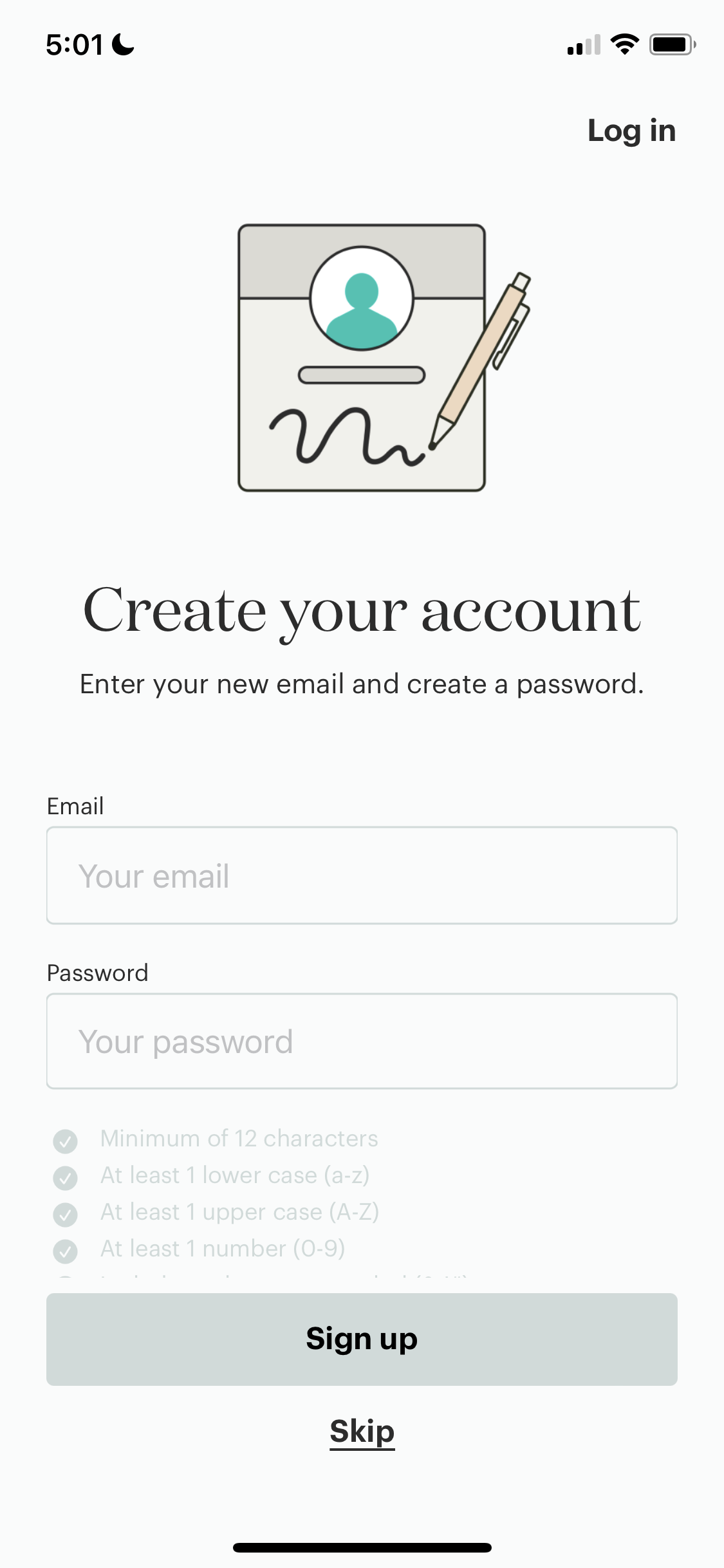
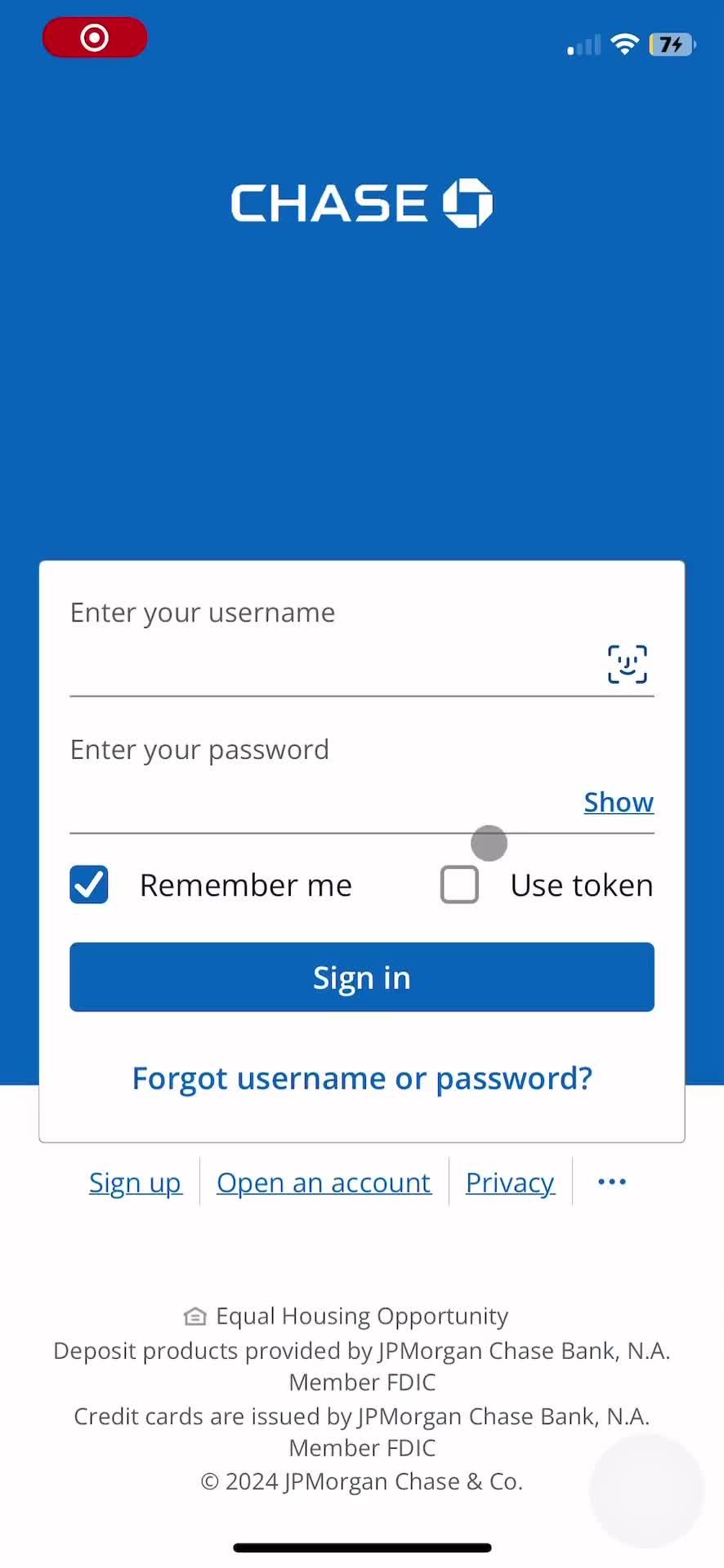





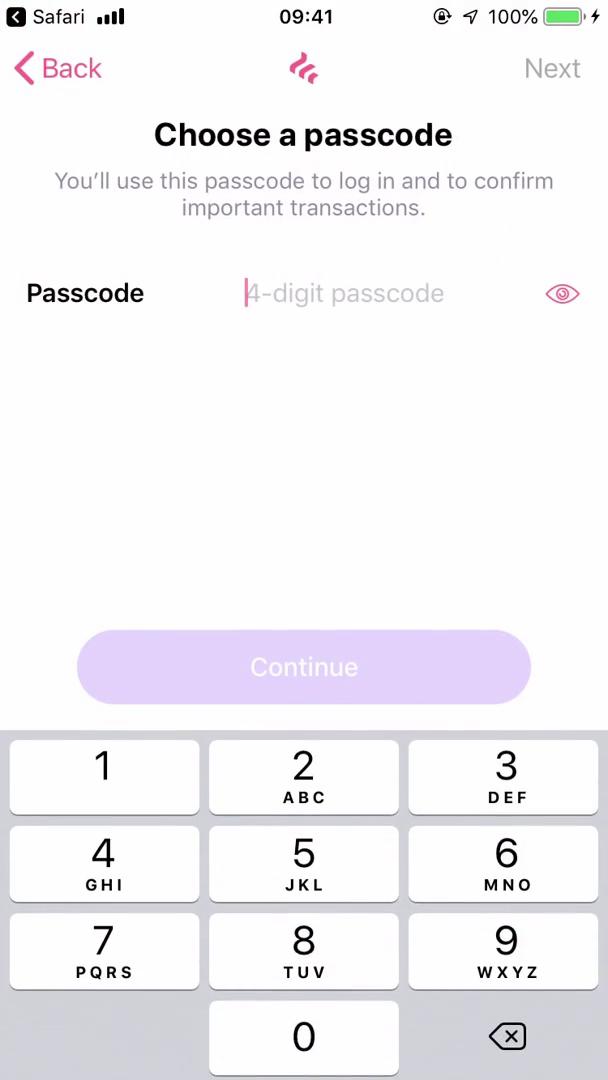

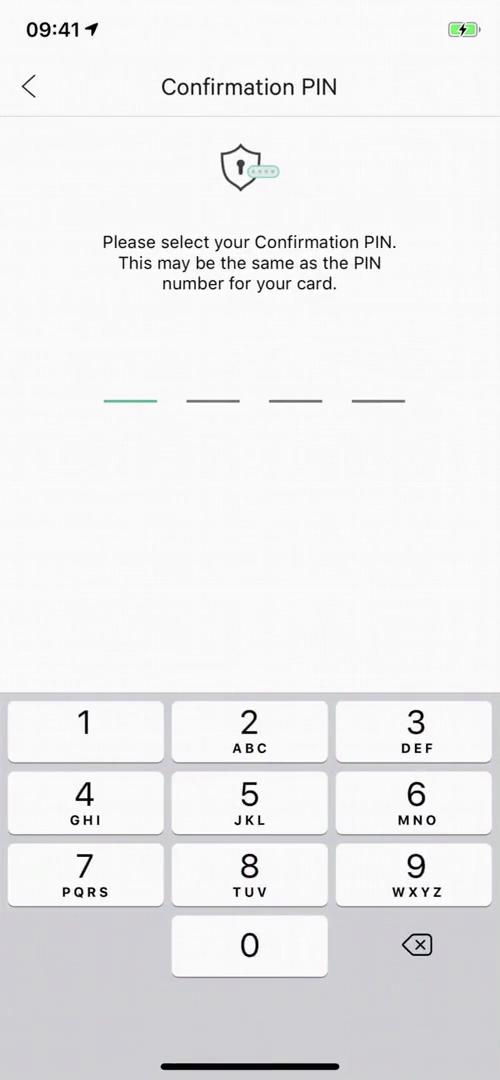

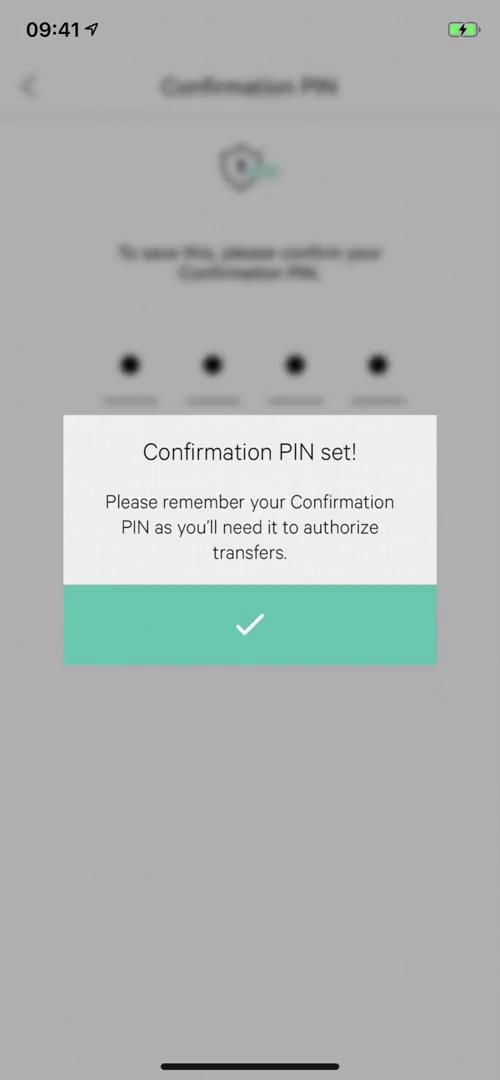
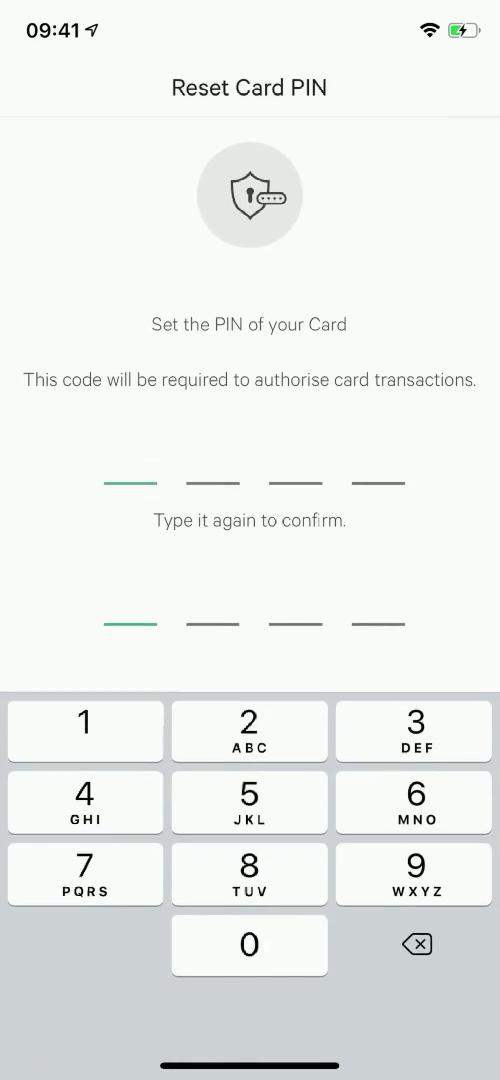


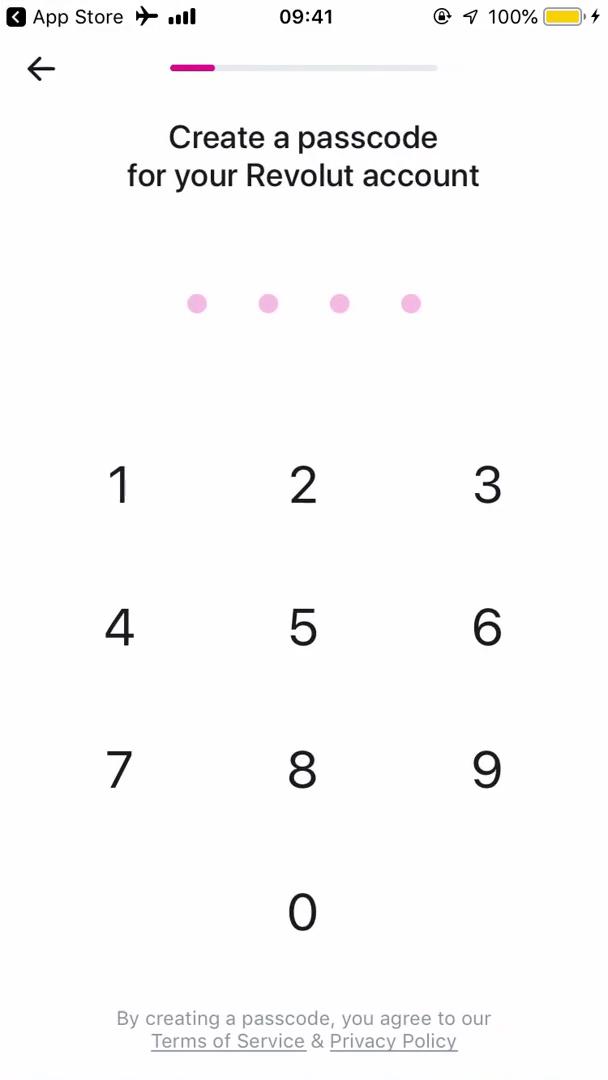

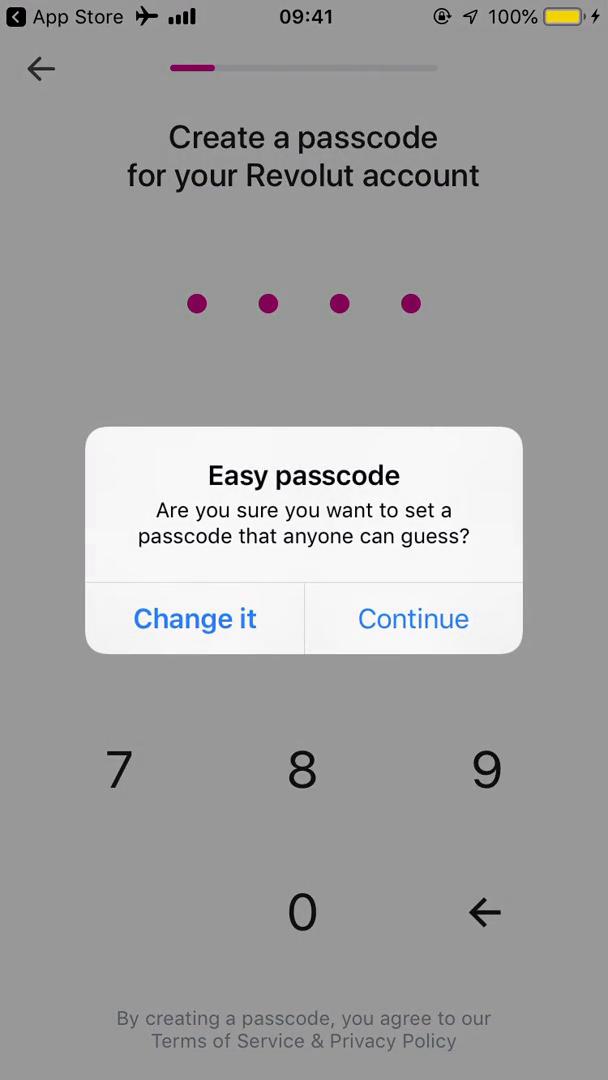
The iOS Set passcode in Real App Interfaces
The Set passcode is one of iOS design's most important building blocks, and how an app implements it often defines how polished the whole experience feels. On this page you'll find every documented example of Set passcode from the Page Flows iOS library, captured inside the actual user flows they belong to.
Why Seeing Set passcode in Context Matters
Studying Set passcode in context matters — you'll see when it's triggered, how it's styled, what content it contains, and how it exits. These details rarely show up in isolated component libraries, but they're what separates good Set passcode implementations from ones that feel clunky or out of place.
Browse Set passcode Patterns by Brand
Browse by brand to study a specific app's approach, or scan across examples to build a mental library of Set passcode patterns you can draw from when designing your own interface.
Frequently Asked Questions
What counts as a Set passcode in the iOS library?
The Set passcode category includes every documented instance of this component across the library, from classic iOS implementations to custom variants used by leading apps.
Are Set passcode examples shown alone or in context?
Always in context. Each example is tagged inside a full user flow, so you can see exactly when Set passcode appears, what triggers it, and how users interact with it.
How do I find Set passcode examples from specific brands?
Each example is tagged with its brand, so you can filter or search for Set passcode implementations from the apps most relevant to your work.
Can I find iOS Set passcode patterns across different app categories?
Yes. Because Set passcode appears across many app types (fintech, social, productivity, etc.), you can compare category-specific conventions and cross-category patterns.