
When designers aim to enhance their design’s visual appeal, they’ll nearly always turn to the fundamental visual design elements. These elements cover everything from shapes and space to typography and texture.
Arguably, however, color is the visual element that has the most impact on a design’s aesthetic value. For that reason, we’ll help you find the most suitable aesthetic colors for your design projects. You’ll learn what an aesthetic color palette consists of and how you can make your own visually stunning color palettes.
What Is an Aesthetic Color Palette?
An aesthetic color palette is an assortment of colors that are visually satisfying to look at. For graphic and UI designers, an aesthetic color palette can enhance the visual aspects of their digital products.
To understand why, you only need to understand the core characteristics of a visually pleasing color palette. Below, you’ll find these characteristics.
1. Harmony
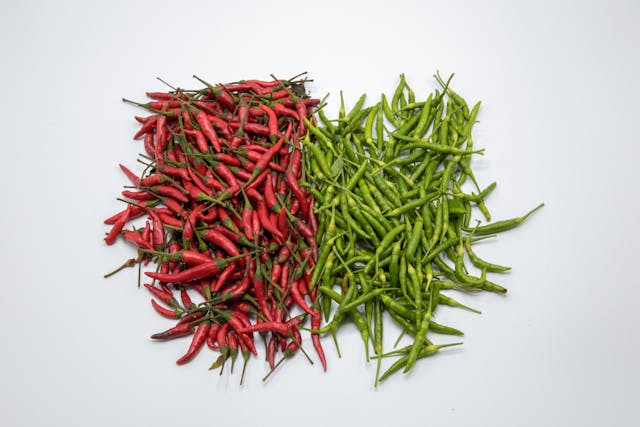
The main thing that turns an unremarkable color palette into an aesthetic one is harmony. You can achieve color harmony by using colors that complement each other.
If you’re familiar with the UI design industry, you know that there are many ways you can find complementary colors. Specifically, you can create visual harmony by using any of the following color schemes:
- Monochromatic schemes: With monochromatic color schemes, you’d only use one singular color in a variety of shades and tints. Let’s say you were going to use a purple monochromatic color scheme. In this instance, you’d use both dark and light shades of purple.
- Analogous schemes: These schemes involve any three colors that sit next to each other on the color wheel. For example, red, red-orange, and orange are analogous colors.
- Complementary schemes: Don’t let the name of this scheme fool you. Complementary color schemes utilize colors that sit opposite one another on the color wheel, like red and green.
- Split complementary schemes: In split complementary color schemes, you’d replace green with the colors that sit next to it. By using the colors on either side of the second complementary color, you can use both warm and cool colors.
- Triadic schemes: These schemes involve using any three colors that are equidistant from each other on the color wheel. Red, yellow, and blue are examples of triadic colors.
2. Emotional Impact
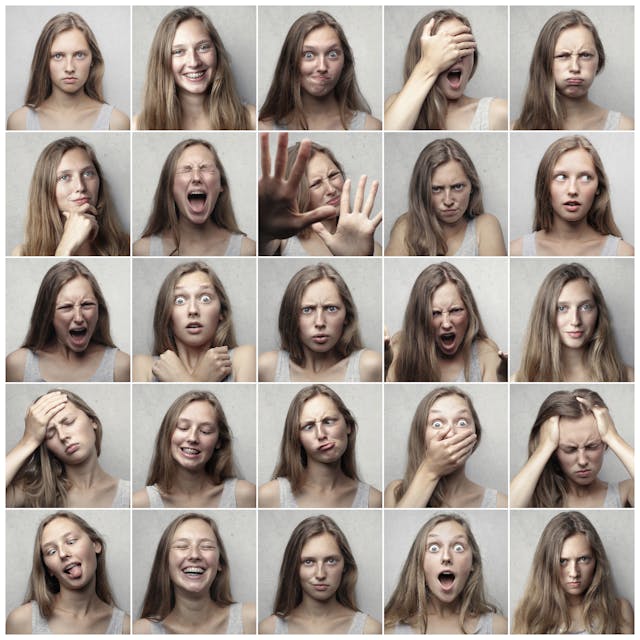
The best color palettes don’t just celebrate visual harmony, they also have a significant emotional impact on its viewers. This is why every designer would benefit from learning about color psychology.
Color psychology bridges the gap between our emotions and moods and the colors that evoke them. For example, blue colors will help you communicate a sense of calm and tranquility to your users. On the other hand, many people perceive orange as the color of optimism, energy, and cheeriness.
Keep this in mind going forward with your UI/UX designs. You should always think about how you want your users to feel as they experience your products.
3. Consistency
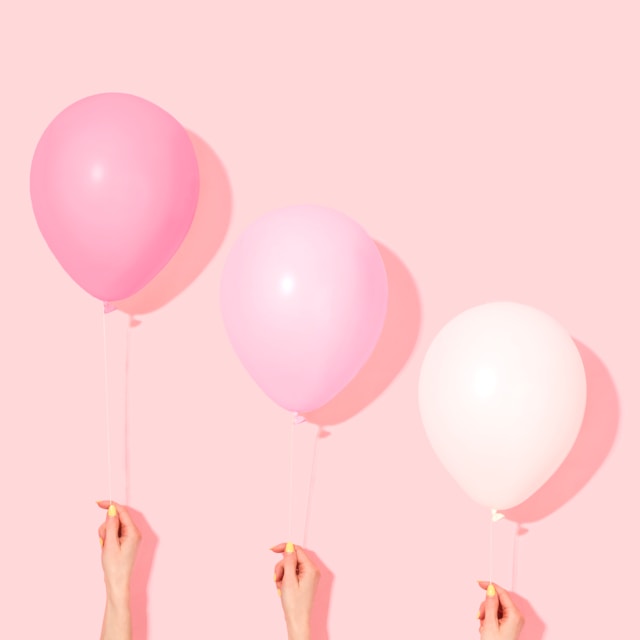
Consistency is one of the UI design principles for a reason. Visual consistency allows you to adhere your designs to your users’ expectations, making for a better user experience.
Using colors consistently also leads to brand recognition, which then leads to trust and brand loyalty.
The thing is that, while experimenting with colors is fun, you can easily lose track of your product’s correct hues. To avoid this problem, we recommend investing in a brand style guide. With this guide, you’ll ensure that you and your colleagues can easily replicate the colors you use in your designs.
4. Simplicity
Unless you’re intentionally following chaotic design trends like anti-design, you should always strive for simplicity with aesthetic color palettes.
Simplicity and visual appeal go hand-in-hand. After all, user interfaces with too many discordant colors results in visual clutter and damages your product’s accessibility.
To create simple, aesthetic color palettes, avoid using too many colors (especially bright colors) and consider using neutral accent colors.

Exploring the Pastel Yellow Aesthetic Color Trend
If you follow modern design trends, you know that both yellow and pastel colors are extremely popular in 2024. For that reason, it’s worth exploring the rationale behind the pastel yellow aesthetic color trend.
Let’s start by focusing on yellow. Yellow is a color that many people consider to symbolize hope, joy, and the power of the imagination. Not only is yellow a mood booster, it’s also versatile, evoking several different emotions from those who view it.
Now, for the pastel side of this cheery color trend. Pastel colors are simply paler tones of any color on the color wheel that speak to softness and low saturation.
Due to their softness, pastel colors will not strain your users’ eyes, making them a great asset to accessible designs. Pastel hues also communicate feelings of warmth, peace, and happiness.
Ultimately, combining pastel’s charm with yellow hues is a gateway to improved accessibility and incredibly happy user experiences. Uplifting your users is a great way to boost your conversion rates, so consider experimenting with pastel yellows.
How To Make Aesthetic Colors That Your Users Love
Now that you know more about aesthetic colors, it’s time to get down to brass tacks. Below, you’ll find out how to make aesthetic colors that will enhance the visual allure of your designs.
1. Researching Your Users
Creating a color palette that your users will love starts by understanding as much as you can about your users.
So, it’s best to conduct user research to familiarize yourself with your users’ desires, needs, expectations, and goals. By knowing what colors users prefer and why, you can establish a mood within your palette that accommodates those preferences.
Your research findings will help you determine which emotions you want to evoke from your users. This, in turn, will help you identify the most appropriate base color for your aesthetic palette.
2. Choosing Your Base Color
Your base color will be the color that your users see the most. So, you must make sure it reflects your users’ expectations and your brand’s identity.
If you’re unsure of how to bridge the gap between the two, we suggest brainstorming some relevant keywords.
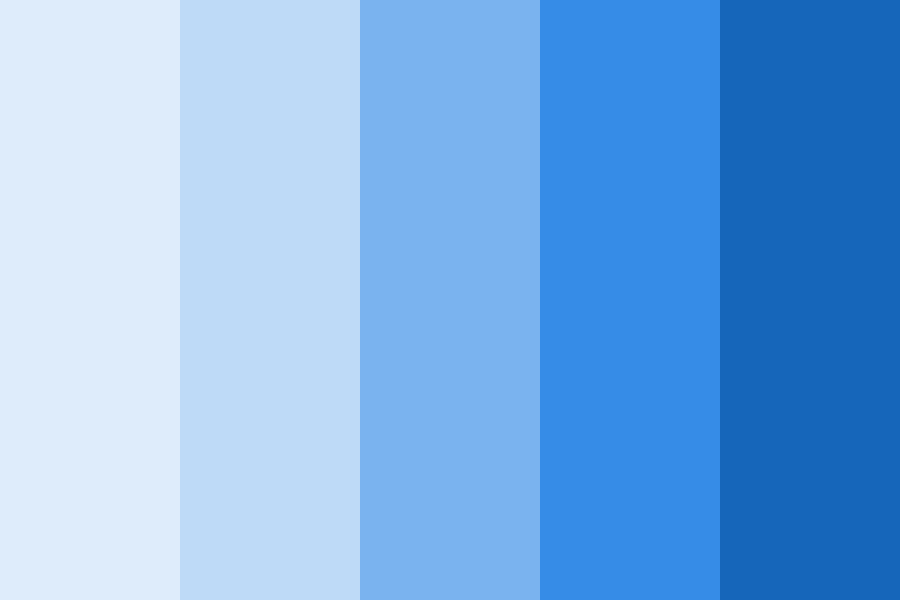
For example, let’s say your users value tranquility, and your brand sells what they would need for a beach holiday. In this instance, “tranquility” and “beach” are the keywords, and a bright blue would be the perfect base color.
3. Experimenting With Color Characteristics
From selecting your base color, you can then focus on the secondary colors in your palette.
This is where you can unleash your creativity, experimenting with a variety of schemes, tones, tints, and shades. Keep every iteration that you’re happy with so that you can test multiple variations with your target user base.
Tip: To bring your color color palette to life, consider using tools like ColorSpace and Adobe Color.
4. Testing Your Color Palette
You’ve got your color palettes, and now, all you need to do is test your iterations on real users. To find which of your iterations resonate with users the most, we recommend conducting A/B tests.
Whichever color palette your participants gravitate toward the most is the one you should focus your attention on. From there, you should ensure that your palette meets the requirements of the Web Content Accessibility Guidelines (WCAG) 2.2.
If you have any other valuable feedback from your participants, make sure that you make the necessary adjustments. After doing this, you’ll have a visually stunning color palette ready for your product’s user interfaces!
FAQs
What are aesthetic colors?
Aesthetic colors are simply colors or combinations of colors that are satisfying to look at.
What are the aesthetic colors?
Any color can be aesthetic as long as you pair your dominant color with a complementary hue.
What are some aesthetic colors?
Some of the most aesthetic colors include olive green, lavender, baby pink, taupe, pastel yellow, and midnight blue.
Access Page Flows for Aesthetic Colors Ideas and More
Choosing and using aesthetic hues will always help designers improve their products’ visual appeal. But to truly enhance a design’s aesthetic value, you must always remember to combine your color choices with user-centricity.
Thankfully, there are multiple ways to implement user-centricity, and for one of them, you’ll need Page Flows.
At Page Flows, we document a wealth of user flow recordings and screenshots to help designers master intuitive user navigation. The flows we collect span dozens of prosperous brands and industries, meaning you’ll never lack the right source of inspiration.
What’s more, we cover every flow your product could ever leverage, including onboarding, purchasing, and making reservations.
Combining your aesthetic colors with our inspirational resources will only result in exceptional user-centricity and enhanced user engagement. See for yourself; get started today to learn how successful products engage users with seamless in-product navigation!