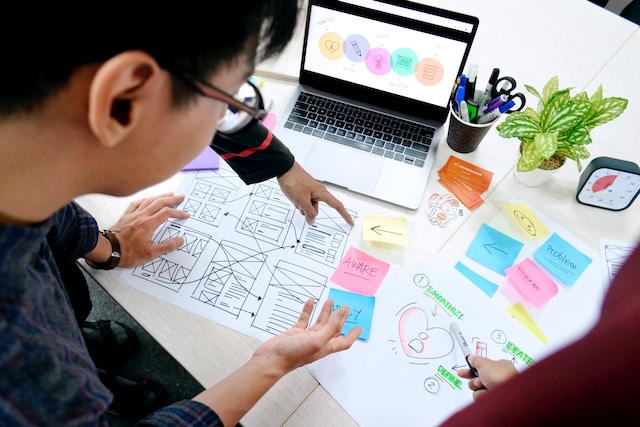
An important part of establishing a positive company culture is collaborating with your co-workers to produce high-quality deliverables.
In the realm of UX design, effective collaboration is one of the most crucial components of the design process. For that reason, organizing a UX team that maximizes your team members’ skills will never be a bad idea.
After all, your product’s success relies on the prowess of your UX/product designers, researchers, developers, and architects.
In today’s guide, we’ll show you how to arrange your UX group successfully. To do this, we’ll cover the common models that many UX teams use to structure their workflows. We’ll also reveal the roles within a typical UX group to help you get the most out of your team.

Who Comprises a UX Team?
A UX team consists of several professionals who aim to optimize the many moving parts of the UX design process. As you can imagine, this means that a UX team must leverage a diverse range of competencies and skills.
That’s why you’ll nearly always find UX designers, UX researchers, UI designers, and information architects in a professional UX team.
That said, there is no standardized way of assigning roles in a user experience team. Your team’s arrangement will depend on your business goals and the complexity of your design project.
Ultimately, the goal of your team should always focus on creating and optimizing a user-centric digital product.
It’s worth noting that a UX group isn’t a product team, although it’s understandable why you might confuse the two.
A UX group will focus predominantly on the user’s experience with a product or brand. In contrast, a product team will have a much broader, business-centric focus.
For that reason, product teams will develop product strategies, conduct market research, and collaborate with cross-functional teams.
What Does a UX Team Do?
Knowing what a UX design team is, you’ve probably got a good idea as to what they do. But the question is, what does a UX team do specifically?
One of the most critical things a UX group does is aim to achieve user empathy. This requires a deep understanding of the target users’ needs, expectations, preferences, and behaviors. Needless to say, user research is crucial for these goals.
Gathering and analyzing UX research data will then lead a UX group to their product’s areas of refinement. These areas could relate to any UX aspect, from information architecture to a user interface’s visual design.
By optimizing a product’s design, functionality, and usability, UX groups can bridge the gap between their business’s and users’ goals.
Ultimately, with their own skills and cross-functional collaboration, UX teams can create exceptional user experiences that meet their users’ needs.
The Importance of Organizing a Successful UX Team
Working with a successful UX group means prioritizing user-centricity. An effective UX group will base the entire product development process on the users’ needs, goals, and expectations.
This user-centric approach to design makes it easier to create products that are intuitive, accessible, enjoyable, and helpful. From a business’s perspective, products that have those qualities nearly always increase customer satisfaction. What’s more, with customer satisfaction comes an increase in conversion rates and overall brand loyalty.
These are, of course, short-term goals, but a successful UX group will also prepare you for your long-term goals. Put differently, because UX groups understand their users completely, they can effectively anticipate how the users’ needs may change. This means that, when it comes to scaling your business, your UX group ensures you won’t compromise your products’ quality.
Undoubtedly, your UX group’s flexibility and user-centricity will also give you a prominent edge over your competition.
The Common Roles Within a UX Group
Now, you need to learn how you should go about organizing your own team. A great UX team structure starts with assigning the most appropriate roles for your project’s needs.
To help you determine which roles you need to assign, we’ve discussed the most common UX group roles below.

UX Researchers
UX researchers gather and analyze valuable data on users’ behaviors, goals, needs, and expectations. In other words, they are responsible for finding the actionable insights that designers use to create user-centric products.
To acquire this data, a UX researcher must conduct a series of activities and research techniques. Some of these activities include creating user personas, conducting user interviews, and running usability tests.
Your UX researcher must have a thorough understanding of various research methodologies, such as qualitative and quantitative research. They must also know how to analyze research data and user feedback to inform essential design decisions.

UX Designers
UX designers work with the data that UX researchers collect to build excellent user experiences. With user research by their side, UX designers can build intuitive design solutions that reflect and solve the users’ problems.
Since no design solution is immediately perfect, UX designers are also responsible for creating wireframes, mockups, and prototypes. These product iterations, alongside rigorous user testing, expose areas of improvement regarding the product’s functionality, usability, and aesthetic value.
Of course, UX designers must then rectify these improvements to ensure intuitive navigation, compelling visual design, and consistent user interactions.
Essentially, with anything that influences the user’s experience, you know a UX designer is monitoring it carefully. That’s why you need a UX designer with a range of skills that cover aspects like interaction and visual design.
UI Designers
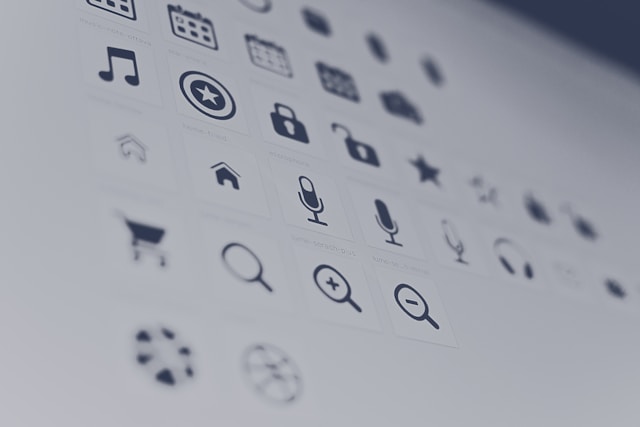
It’s the duty of the UI designer to create the look and feel of a product’s user interfaces. User interfaces are the point at which human-computer interaction occurs, so they must contain the right visual and interactive elements.
As you can imagine, it’s common for UI designers to work on things like icons, buttons, typography elements, and colors. That said, UI designers can’t just solely focus on a design element’s aesthetics. The elements they use must contribute to the product’s navigational ease and accessibility.
So, the UI designer you elect must not only understand the principles of visual design but also user experience design. They must also be able to utilize their visual components to reflect your brand’s identity accurately.

UX Writers
UX writers create all of the textual content a user encounters, including onboarding welcome screens, emails, and error messages.
When a product’s copy is effective, it will help users navigate your product and learn more about your brand. Ultimately, successful UX writing will always strive to help the users achieve their goals and simplify the user’s overall journey.
Your team’s UX writer should know how to craft compelling, user-friendly language that enhances the user experience.
Information Architects
Information architects add structure, labels, and organization to UI designers’ visual elements and UX writers’ copy. Their goals revolve around making need-to-know information easy to find for their products’ users.
Like UX researchers, information architects will use techniques like card sorts to determine how users navigate a digital product.
The ideal information architect will arrange your product’s content in accordance with your users’ mental models.
The 3 Best Structures for Your UX Group
You can use three models to structure your UX design team; we’ve discussed them below.
1. The Centralized Model
With the centralized model, every team member will collaborate as a singular unit, reporting to the same UX manager.
This model allows for every team member to gain knowledge and expertise from other UX aspects within a design project. This approach also makes it easier to create consistent user experience design standards and principles across different workflows.
That said, this approach may be a struggle for small companies to adopt, especially when it comes to resource distribution.
2. The Decentralized Model
UX team members who follow the decentralized model are spread across different product teams/departments in an organization. For that reason, they’ll work with other team members, like front-end developers, and report to their product team directly.
The great thing about this model is that you can allocate specialists to accommodate the specific needs of different projects. That said, the decentralized approach can make collaboration and communication more difficult to foster.
3. The Matrix Model
Matrix models combine centralized and decentralized team structures. If you use this model, your UX team members will work across several different product teams. They will also report not only to an individual team leader but also to the central UX manager.
Matrix terms often work with product teams, closely ensuring that every product aspect aligns with UX design principles. With the support of the UX manager, you can also rest assured that every team member shares a cohesive vision.
The main thing you need to be cautious about is having multiple leaders in your team. If your leaders can’t agree on the appropriate direction for your design project, it can lengthen the design process considerably.

How To Build a UX Team Step-by-Step
It’s time to really get into the process of organizing a UX design team. Below, we’ve revealed how to build a UX team successfully.
- Ask yourself why you need a UX team, especially since you can leverage one for multiple different reasons. By understanding why you’d benefit from a UX group, you’ll find it easier to determine which UX roles you need.
- Decide which roles to assign and choose a model to structure your team. Centralized models are best for large organizations that work on complex projects. Decentralized models are ideal for businesses that sell a variety of products, and matrix models are perfect for growing businesses.
- Assign your roles. Base your selections on the prospective team member’s skills, experience, values, and – above all – communicative abilities. After all, your team is only as good as their ability to communicate and collaborate.
- Clarify the stages of the project’s UX process. This will help every team member understand how their work will contribute to the user’s experience. At this point, you should also encourage open communication and innovative problem-solving.
- Set up your team with the best team management apps and tools to help them streamline their workflows.
- Acquire the support of your stakeholders by demonstrating the value of your team. You can do this by involving the stakeholders in the early stages of the UX design process. For instance, you could allow them to observe user testing sessions.
FAQ
What is a UX team?
A UX team comprises professionals who specialize in different aspects of UX design. These professionals are responsible for creating and optimizing user-centric digital products.
What does UX stand for?
UX stands for user experience. So, UX design is a process that aims to enhance the overall user experience with a product or brand.
What does a UX team leader do?
A UX team leader sets the design standard for the team, ensuring they know the importance of user-centricity. They will also provide their team with essential training, resources, and guidance and work alongside product managers.
UX Team: Create a Top Team and Use Page Flows To Inspire Great Designs
Leveraging your team’s extensive range of crucial skills is how you’ll create better, more user-centric products. Speaking of crucial skills, there is one aspect of user navigation you need to get right consistently – user flows.
To master the art of user flows, you’ll need a wealth of inspirational resources. In other words, you’ll need Page Flows.
With Page Flows, you’ll learn how successful products create essential flows like onboarding and general browsing. Simply put, through our vast collection of recordings and screenshots, you’ll uncover the power of seamless, intuitive user navigation.
Best of all, we collect our resources from a wide range of popular industries and immensely successful brands like Disney. Treat Page Flows as another member of your UX team. After all, what we offer will help you take your UX designs to the next level.
Use Page Flows today to find the user flow inspiration you need to become a more proficient designer!